KERC Proposes Karnataka Renewable Obligation of 43.33% by FY2030
POWER & RENEWABLE ENERGY

KERC Proposes Karnataka Renewable Obligation of 43.33% by FY2030

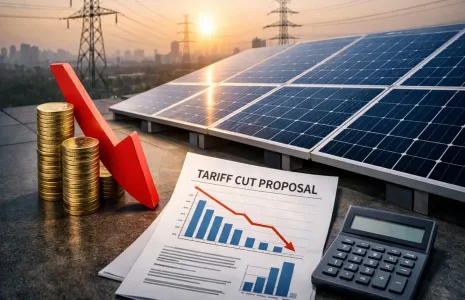
The Karnataka Electricity Regulatory Commission (KERC) has proposed a revised framework for renewable energy procurement, setting progressively higher Renewable Purchase Obligation (RPO) targets for obligated entities from financial year 2026–27 to 2029–30. The draft Karnataka Electricity Regulatory Commission (Procurement of Energy from Renewable Sources) Regulations, 2026, was published in the Karnataka State Gazette on October 22 and will replace the existing 2011 regulations and subsequent amendments.

The proposed rules seek to align Karnataka’s requirements with central government guidelines issued under the Energy Conservation Act, 2001. The commission said differences between central and state frameworks had created challenges in compliance monitoring, implementation timelines and the use of Renewable Energy Certificates (RECs).

The total renewable energy obligation is proposed at 35.95% for 2026–27, rising to 38.81% in 2027–28, 41.36% in 2028–29 and 43.33% in 2029–30. Distribution licensees, open access consumers with contracted demand of at least 1 MW and consumers using grid-connected captive power plants with installed capacity of at least 1 MW will be classified as obligated entities.

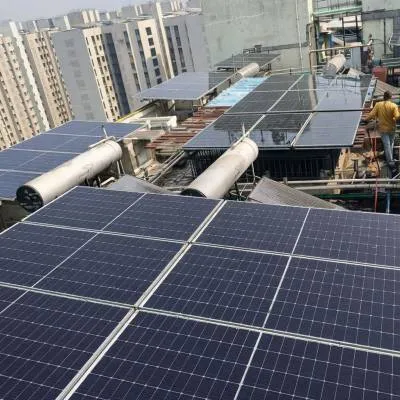
The obligation will be divided into Wind Renewable Energy, Hydro Renewable Energy, Distributed Renewable Energy and Other Renewable Energy categories. Distributed renewable energy will cover projects below 10 MW, including rooftop solar installations, while the other category will include older wind and hydro projects, biomass pellets and charcoal produced from municipal solid waste. Wind and hydro obligations will generally have to be met through projects commissioned after March 31, 2024.

Entities will be able to comply through direct renewable electricity procurement, storage-linked renewable power, captive generation from plants of at least 250 kW, or the purchase and self-generation of RECs through mechanisms registered with the Central Electricity Regulatory Commission (CERC). A prescribed buyout price will also be permitted. The State Load Despatch Centre or another designated agency will monitor compliance, with annual data due by July 31 and compliance reports due to KERC by August 31. KERC has invited comments and objections within 30 days of Gazette publication before finalising the regulations.

The Karnataka Electricity Regulatory Commission (KERC) has proposed a revised framework for renewable energy procurement, setting progressively higher Renewable Purchase Obligation (RPO) targets for obligated entities from financial year 2026–27 to 2029–30. The draft Karnataka Electricity Regulatory Commission (Procurement of Energy from Renewable Sources) Regulations, 2026, was published in the Karnataka State Gazette on October 22 and will replace the existing 2011 regulations and subsequent amendments. The proposed rules seek to align Karnataka’s requirements with central government guidelines issued under the Energy Conservation Act, 2001. The commission said differences between central and state frameworks had created challenges in compliance monitoring, implementation timelines and the use of Renewable Energy Certificates (RECs). The total renewable energy obligation is proposed at 35.95% for 2026–27, rising to 38.81% in 2027–28, 41.36% in 2028–29 and 43.33% in 2029–30. Distribution licensees, open access consumers with contracted demand of at least 1 MW and consumers using grid-connected captive power plants with installed capacity of at least 1 MW will be classified as obligated entities. The obligation will be divided into Wind Renewable Energy, Hydro Renewable Energy, Distributed Renewable Energy and Other Renewable Energy categories. Distributed renewable energy will cover projects below 10 MW, including rooftop solar installations, while the other category will include older wind and hydro projects, biomass pellets and charcoal produced from municipal solid waste. Wind and hydro obligations will generally have to be met through projects commissioned after March 31, 2024. Entities will be able to comply through direct renewable electricity procurement, storage-linked renewable power, captive generation from plants of at least 250 kW, or the purchase and self-generation of RECs through mechanisms registered with the Central Electricity Regulatory Commission (CERC). A prescribed buyout price will also be permitted. The State Load Despatch Centre or another designated agency will monitor compliance, with annual data due by July 31 and compliance reports due to KERC by August 31. KERC has invited comments and objections within 30 days of Gazette publication before finalising the regulations.

Related Stories

Gold Stories

Next Story
Resources

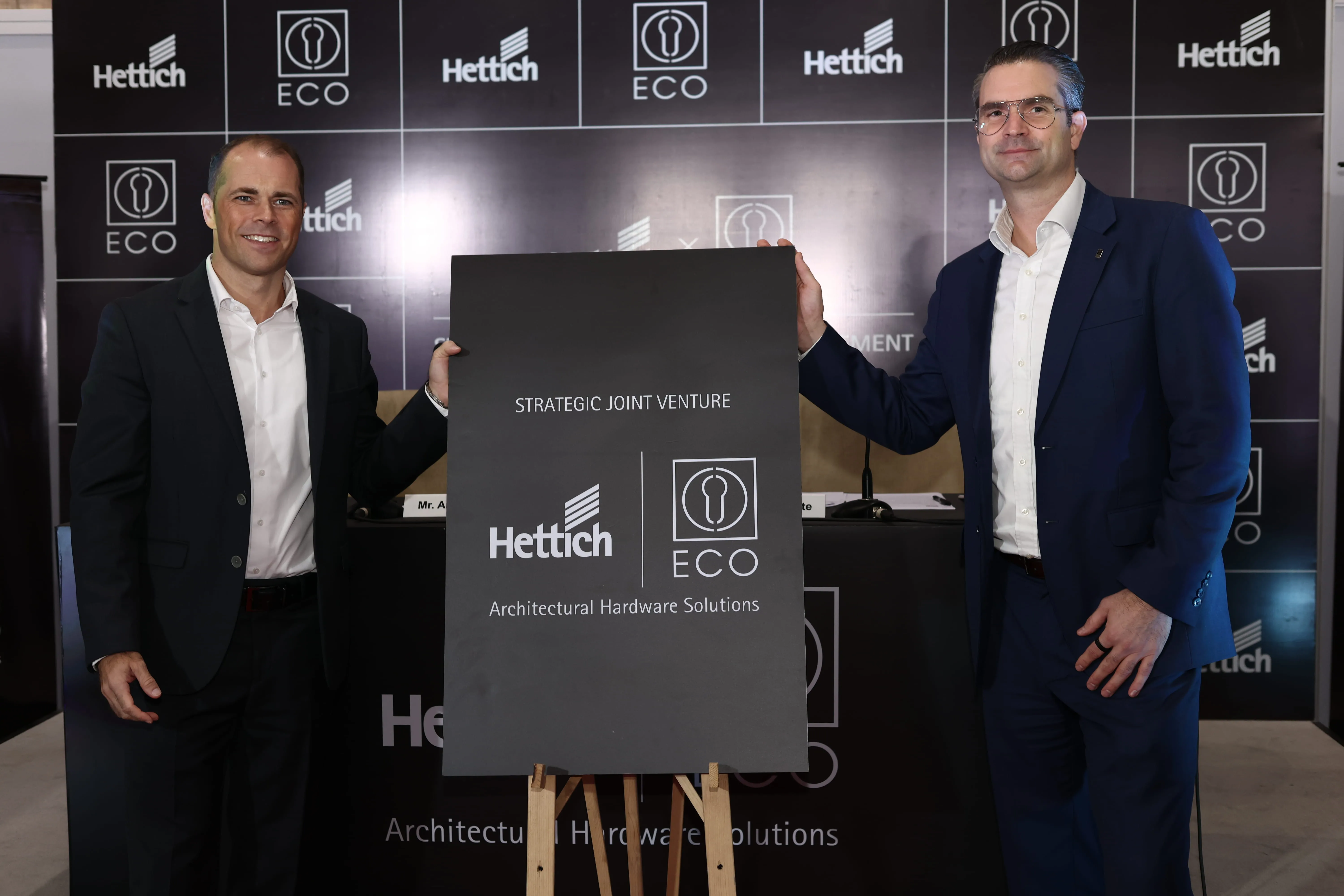
Hettich India And ECO Schulte Form Joint Venture In India

Hettich India and German company ECO Schulte have announced a strategic joint venture to strengthen their presence in India's architectural hardware market. The partnership was announced at ACETECH Mumbai on November 20, 2026, bringing together the two family-owned businesses with a combined engineering heritage of 238 years.The venture combines Hettich's expertise in furniture fittings and interior solutions with ECO Schulte's experience in architectural door hardware and engineered door systems. Its focus will span residential, commercial, institutional and infrastructure projects.Hettich, w..

Next Story
Real Estate

Address Maker sells over 200 Apollo Address plots in six weeks

The Address Maker Group has sold more than two-thirds of the inventory at its Apollo Address villa-plot development in Nelamangala, North-West Bengaluru, within six weeks of its launch. With over 200 plots purchased and approximately 100 remaining, the project has recorded the fastest sales pace in the developer's history.Spread across 23 acres within a larger 90-acre township, Apollo Address offers villa plots ranging from 1,200 to 2,400 sq ft. Inspired by classical Greek architecture, the development features planned infrastructure, landscaped open spaces and residential amenities.Nearly 30 ..
Next Story
Equipment

Zoomlion strengthens equipment partnerships in Australia

Zoomlion Heavy Industry Science & Technology has reaffirmed its commitment to expanding operations in Australia, with Chairman and CEO Zhan Chunxin meeting customers and business partners in Sydney to strengthen long-term partnerships and discuss opportunities for closer collaboration.The meeting, held on 4 November 2026, focused on equipment quality, technical support, spare parts availability, local training and customer service improvements. Representatives from the tower crane, concrete machinery, earthmoving, aerial work platform, agricultural machinery and financial sectors participa..

Advertisement

Subscribe to Our Newsletter

Get daily newsletters around different themes from Construction world.

STAY CONNECTED

Advertisement

SPECIAL OFFER
QR Code