KERC Proposal To Cut Rooftop Solar Export Tariff Raises Concern
Cement

KERC Proposal To Cut Rooftop Solar Export Tariff Raises Concern

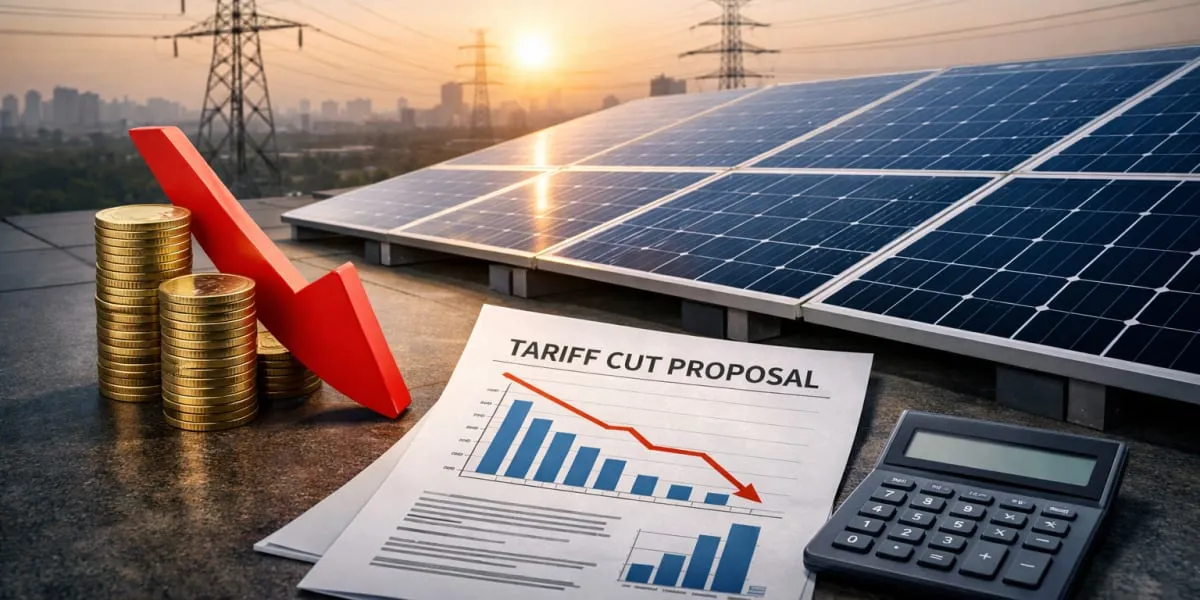
The Karnataka Electricity Regulatory Commission (KERC) has proposed a reduction in the tariff paid for surplus electricity that rooftop solar installations export to the grid, prompting concern among consumers, renewable energy advocates and industry specialists. The proposal arrives while the Central government and state governments are promoting clean energy adoption and offering subsidy schemes to encourage rooftop solar deployment. Thousands of households in Karnataka, particularly in Bengaluru, have invested substantial sums in rooftop systems to reduce reliance on conventional power and support state renewable targets.

Stakeholders have raised questions about the implications of a lower export tariff for the financial attractiveness of rooftop solar investments and the pace of the state transition to renewables. Industry analysts warned that a reduction in compensation for excess generation could discourage new installations and extend payback periods for existing systems. Current messaging from authorities, which simultaneously promotes adoption while proposing lower export rates, has been described by user groups as creating contradictory signals for consumers.

Experts argued that policy measures should focus on grid modernisation rather than reducing consumer benefits, with investments in transmission and distribution networks needed to manage higher volumes of distributed solar generation. Consumer groups and renewable advocates are preparing written submissions to the regulator and are urging retention of incentives that support household adoption of rooftop systems. KERC has invited public objections and suggestions as part of a consultation process that will determine the final tariff framework.

The outcome of the consultation is expected to influence the future growth of rooftop solar across the state and shape investor confidence in small-scale renewable projects. Residents who have already installed rooftop panels are monitoring developments closely because changes to compensation mechanisms may affect household finances and the speed of return on investment. Observers noted that coherent policy, aligned incentives and grid upgrades would be essential to sustain momentum in the rooftop solar sector.

"Join industry leaders at RAHSTA Expo, India's premier platform for roads, highways and traffic infrastructure. Register now to explore innovations, network with experts and shape the future of mobility."

The Karnataka Electricity Regulatory Commission (KERC) has proposed a reduction in the tariff paid for surplus electricity that rooftop solar installations export to the grid, prompting concern among consumers, renewable energy advocates and industry specialists. The proposal arrives while the Central government and state governments are promoting clean energy adoption and offering subsidy schemes to encourage rooftop solar deployment. Thousands of households in Karnataka, particularly in Bengaluru, have invested substantial sums in rooftop systems to reduce reliance on conventional power and support state renewable targets. Stakeholders have raised questions about the implications of a lower export tariff for the financial attractiveness of rooftop solar investments and the pace of the state transition to renewables. Industry analysts warned that a reduction in compensation for excess generation could discourage new installations and extend payback periods for existing systems. Current messaging from authorities, which simultaneously promotes adoption while proposing lower export rates, has been described by user groups as creating contradictory signals for consumers. Experts argued that policy measures should focus on grid modernisation rather than reducing consumer benefits, with investments in transmission and distribution networks needed to manage higher volumes of distributed solar generation. Consumer groups and renewable advocates are preparing written submissions to the regulator and are urging retention of incentives that support household adoption of rooftop systems. KERC has invited public objections and suggestions as part of a consultation process that will determine the final tariff framework. The outcome of the consultation is expected to influence the future growth of rooftop solar across the state and shape investor confidence in small-scale renewable projects. Residents who have already installed rooftop panels are monitoring developments closely because changes to compensation mechanisms may affect household finances and the speed of return on investment. Observers noted that coherent policy, aligned incentives and grid upgrades would be essential to sustain momentum in the rooftop solar sector.

Next Story
Infrastructure Transport

Third Railway Line Between Tatanagar And Adityapur Likely By September

The third railway line between Tatanagar and Adityapur is expected to be commissioned by September as work on the corridor advances, according to railway sources. The project to add a fourth line on the busy route is progressing and has been allocated Rs 50.89 billion (bn) in funding. The allocation underscores the focus on increasing capacity and easing congestion on the corridor. Relevant timetables are being adjusted to integrate the new capacity into regular operations. Construction activity has involved track laying, formation work and signalling upgrades along strategic stretches, with m..

Next Story
Infrastructure Transport

Indian Railways Approves Rs 2.7 bn Kavach Rollout in Odisha

Indian Railways has approved a Rs 2.7 billion (Rs 2.7 bn) plan to install the Kavach train collision avoidance system on 631 route kilometres in the East Coast Railway zone. The Ministry of Railways said the work will form part of a wider Kavach deployment programme that relies on an LTE based communication backbone rather than a standalone installation. The approval marks the latest stage in the steady expansion of the indigenous safety technology across the national network. The decision aims to enhance safety and reliability on corridors serving Odisha and adjoining areas. The project will ..

Next Story
Infrastructure Transport

Indian Railways Accelerates Modernisation Drive

Indian Railways utilised nearly 30 per cent of its capital expenditure budget for FY2026-27 within the first two months of the financial year, spending more than Rs 840 billion (bn) in April and May against a planned outlay of Rs 2.93 trillion (tn) for the year. The Union Budget allocated Rs 2.93 tn in total capex, comprising Rs 2.81 tn through gross budgetary support and Rs 120 bn from extra-budgetary resources. The early absorption indicates robust project execution and an aggressive infrastructure push. A significant share of the spending is being channelled towards track infrastructure, in..

Advertisement

Subscribe to Our Newsletter

Get daily newsletters around different themes from Construction world.

STAY CONNECTED

Advertisement

Advertisement

Advertisement