+
Modhera’s 1,000-Year Journey from Temple Legacy to Solar Village
POWER & RENEWABLE ENERGY

Modhera’s 1,000-Year Journey from Temple Legacy to Solar Village

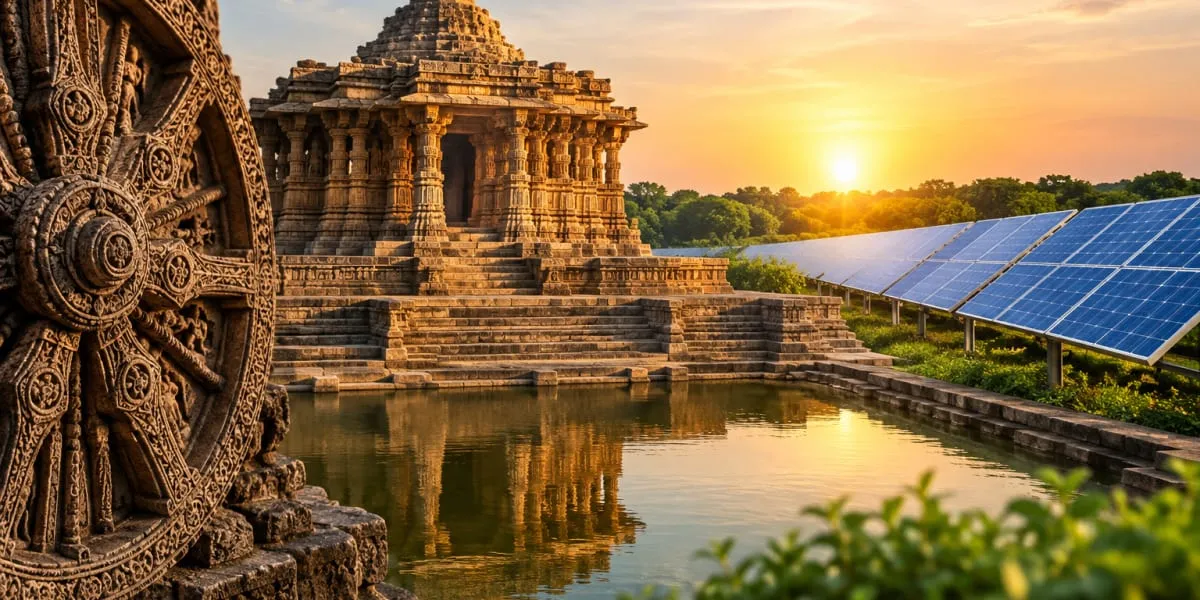
Prime Minister Narendra Modi highlighted the 1,000-year history of Gujarat’s Modhera Sun Temple and its transformation into India’s first 24x7 solar village during the 138th episode of his monthly radio programme Mann Ki Baat on Sunday. He linked the site’s history with the resilience of India’s cultural and civilisational heritage.

Modi recalled that the Sun Temple and the Somnath Temple were attacked during the invasions of Mahmud of Ghazni. He said Modhera was rebuilt under the Chaulukya ruler Bhimdev I after its destruction in 1026, while Somnath was reconstructed repeatedly following successive attacks. He also referred to later attacks on Modhera, including during the period of Alauddin Khilji.

The Prime Minister said the temples’ reconstruction reflected enduring public faith and resilience. He noted that Somnath’s history included its restoration under the leadership of Sardar Vallabhbhai Patel and the consecration of the rebuilt temple in 1951.

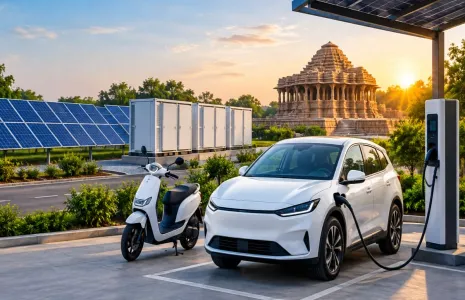
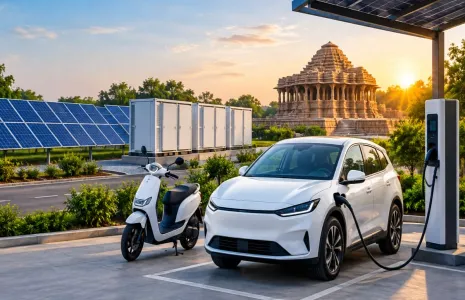
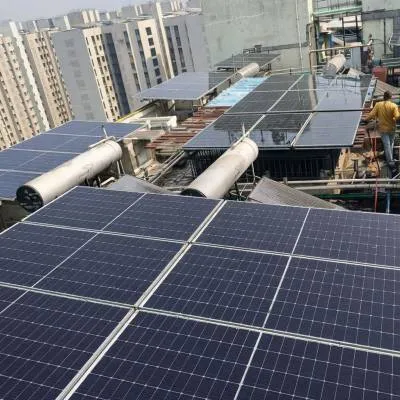
Modhera’s solar village initiative was inaugurated in 2022. The village now operates entirely on solar energy and has become an example of renewable energy use at the village level, while also developing facilities and attractions for visitors. Modi highlighted the Modhera Dance Festival, held in January after Makar Sankranti, as an event showcasing Indian cultural and classical dance traditions.

He encouraged people to visit Modhera to experience its heritage. The remarks came against the backdrop of the Somnath Swabhiman Parv, held from January 8 to 11 as a national commemoration of 1,000 years since the first recorded attack on the Somnath Temple in January 1026. The Modhera complex, constructed in the 11th century, is no longer used for regular worship and is maintained as a protected monument by the Archaeological Survey of India.

Prime Minister Narendra Modi highlighted the 1,000-year history of Gujarat’s Modhera Sun Temple and its transformation into India’s first 24x7 solar village during the 138th episode of his monthly radio programme Mann Ki Baat on Sunday. He linked the site’s history with the resilience of India’s cultural and civilisational heritage. Modi recalled that the Sun Temple and the Somnath Temple were attacked during the invasions of Mahmud of Ghazni. He said Modhera was rebuilt under the Chaulukya ruler Bhimdev I after its destruction in 1026, while Somnath was reconstructed repeatedly following successive attacks. He also referred to later attacks on Modhera, including during the period of Alauddin Khilji. The Prime Minister said the temples’ reconstruction reflected enduring public faith and resilience. He noted that Somnath’s history included its restoration under the leadership of Sardar Vallabhbhai Patel and the consecration of the rebuilt temple in 1951. Modhera’s solar village initiative was inaugurated in 2022. The village now operates entirely on solar energy and has become an example of renewable energy use at the village level, while also developing facilities and attractions for visitors. Modi highlighted the Modhera Dance Festival, held in January after Makar Sankranti, as an event showcasing Indian cultural and classical dance traditions. He encouraged people to visit Modhera to experience its heritage. The remarks came against the backdrop of the Somnath Swabhiman Parv, held from January 8 to 11 as a national commemoration of 1,000 years since the first recorded attack on the Somnath Temple in January 1026. The Modhera complex, constructed in the 11th century, is no longer used for regular worship and is maintained as a protected monument by the Archaeological Survey of India.

Related Stories

Gold Stories

Next Story
Infrastructure Urban

Suzuki Targets 4 mn Units in India by FY30, Builds Global Hub

Suzuki Motor Corporation plans to raise annual production capacity in India to approximately 4 mn units from fiscal 2030, strengthening the country’s role as a manufacturing and export hub for its global operations. The Japanese car maker announced the target as part of its Technology Strategy 2026, which outlines its development and manufacturing priorities for the coming decade. The company also aims to improve development efficiency by 30 per cent from the FY20 level and manufacturing efficiency by 50 per cent by FY30. It plans to halve the lead time required to develop new vehicles by im..

Next Story
Infrastructure Transport

Ayodhya Airport to Add Flights to Delhi, Bengaluru and Mumbai

Ayodhya airport will get additional direct air services to Delhi and Bengaluru from October 1, followed by a daily non-stop connection to Mumbai from October 30. The existing IndiGo service to Hyderabad is also being prepared for conversion into a daily operation, widening travel options from the temple city. Passengers travelling to Delhi will have two direct options at different times of day from October 1. Akasa Air flight QP 1608 will depart Ayodhya at 12:50 pm and arrive in Delhi at 2:20 pm, while Air India Express flight IX 1274 will leave at 2:10 pm and reach the capital at 3:45 pm. Ind..

Next Story
Infrastructure Urban

Cement Prices Rise Again in Himachal Pradesh

Cement prices in Himachal Pradesh have increased for the second time this month, raising construction expenses for households, contractors and other consumers. Cement companies raised rates by Rs. 5 per bag on Friday, 10 days after a similar increase was implemented on September 15. The two revisions have lifted prices by a total of Rs. 10 per bag within 10 days. Dealers Pawan, Rohit, Manoj and Rakesh said the latest rates were being applied across the market, adding to the financial pressure on people building or renovating homes. ACC Suraksha cement is now priced at Rs. 425 per bag, compared..

Advertisement

Subscribe to Our Newsletter

Get daily newsletters around different themes from Construction world.

STAY CONNECTED

Advertisement

SPECIAL OFFER
QR Code