+
Perinjanam to Launch Panchayat-Level BESS with Rs 20 million Aid
POWER & RENEWABLE ENERGY

Perinjanam to Launch Panchayat-Level BESS with Rs 20 million Aid

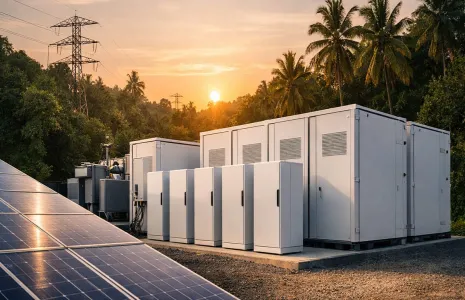
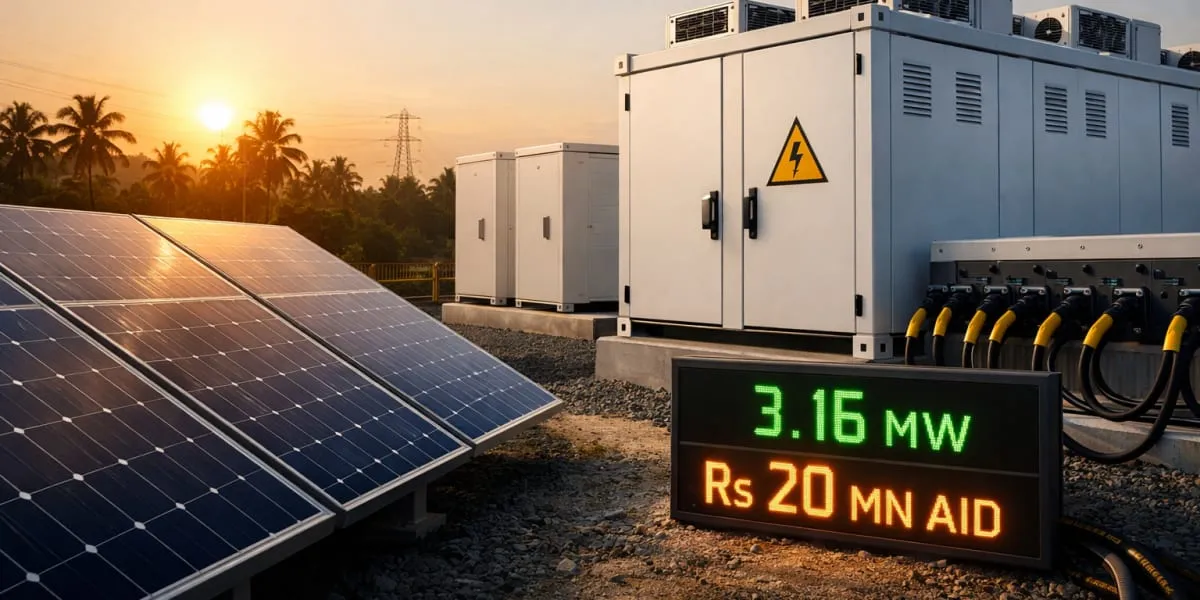
Perinjanam panchayat in Kerala is preparing to implement a pioneering Battery Energy Storage System (BESS) to store solar generation and supply electricity during peak night hours. The pilot has received Rs 20 million (mn) in government support and will store three point one six megawatt (MW) of solar power generated every month. The initiative is described as the first panchayat-level BESS project in India.

Under the BESS model daytime solar will be stored in a lithium battery system and dispatched to the Electricity Department during high-tariff night hours. At present the department pays an average of Rs three point zero four per unit for direct solar supply and the tariff during peak demand rises to Rs seven per unit. The shift is expected to raise revenue for the panchayat and participating households.

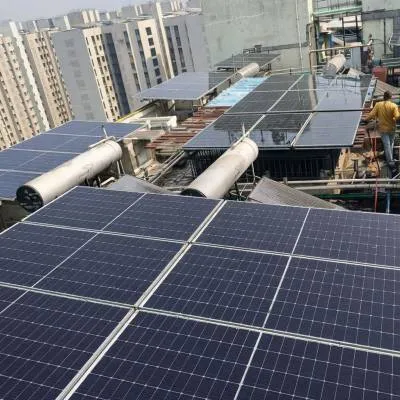
Perinjanam has pursued decentralised solar since 2018 under the leadership of K K Sachith and now counts 860 households and more than 100 institutions as participants generating three point one six megawatt (MW) every month. The Perinjanam Cooperative Bank provided collateral-free loans to finance rooftop installations and beneficiaries repaid their loans within four years and now earn income from surplus generation. The model has been presented as an example of environmental and financial benefits from local renewable projects.

A nine point five kilowatt (kW) solar installation at the Perinjanam Government School supplies around 800 streetlights and has reduced the monthly streetlight electricity bill from Rs 90,000 to Rs 32,000. The BESS pilot is expected to strengthen the panchayat's position as a national leader in decentralised solar adoption and to create additional revenue streams for community members. Officials plan to monitor operational performance and financial outcomes as the pilot progresses.

The initiative is likely to inform similar efforts in other local governments seeking to balance daytime renewable generation with peak demand economics. Technical performance, battery lifecycle and tariff realisation will determine the replicability and scalability of this panchayat-level approach. Stakeholders emphasise community finance mechanisms and cooperative support as key enablers of wider adoption.

Perinjanam panchayat in Kerala is preparing to implement a pioneering Battery Energy Storage System (BESS) to store solar generation and supply electricity during peak night hours. The pilot has received Rs 20 million (mn) in government support and will store three point one six megawatt (MW) of solar power generated every month. The initiative is described as the first panchayat-level BESS project in India. Under the BESS model daytime solar will be stored in a lithium battery system and dispatched to the Electricity Department during high-tariff night hours. At present the department pays an average of Rs three point zero four per unit for direct solar supply and the tariff during peak demand rises to Rs seven per unit. The shift is expected to raise revenue for the panchayat and participating households. Perinjanam has pursued decentralised solar since 2018 under the leadership of K K Sachith and now counts 860 households and more than 100 institutions as participants generating three point one six megawatt (MW) every month. The Perinjanam Cooperative Bank provided collateral-free loans to finance rooftop installations and beneficiaries repaid their loans within four years and now earn income from surplus generation. The model has been presented as an example of environmental and financial benefits from local renewable projects. A nine point five kilowatt (kW) solar installation at the Perinjanam Government School supplies around 800 streetlights and has reduced the monthly streetlight electricity bill from Rs 90,000 to Rs 32,000. The BESS pilot is expected to strengthen the panchayat's position as a national leader in decentralised solar adoption and to create additional revenue streams for community members. Officials plan to monitor operational performance and financial outcomes as the pilot progresses. The initiative is likely to inform similar efforts in other local governments seeking to balance daytime renewable generation with peak demand economics. Technical performance, battery lifecycle and tariff realisation will determine the replicability and scalability of this panchayat-level approach. Stakeholders emphasise community finance mechanisms and cooperative support as key enablers of wider adoption.

Next Story
Real Estate

Perceptive Ideas Designs Structure for Vanijya Bhawan

Perceptive Ideas Consulting Engineers has recently contributed to the structural design of Vanijya Bhawan, a major government office complex located at 16A Akbar Road on the C-Hexagon in New Delhi. The facility serves as the official office of the Ministry of Commerce, Government of India, and represents a blend of modern engineering design with architectural elements reflecting national heritage.The complex houses offices of the Minister of Commerce and Industry, the Secretary’s office and accommodates approximately 1,800–2,000 officers. The project highlights the firm’s capabilities in..

Next Story
Resources

Deepak Halder Appointed CEO Of Sarvottam India

Sarvottam India has appointed Deepak Halder as its Chief Executive Officer. With over 23 years of professional experience, including nearly two decades in the real estate sector, Halder brings extensive leadership and strategic expertise to the organisation. Halder began his career in real estate in 2007 and has held senior leadership roles with developers such as Bestech Group, Paras Buildtech, Hero Realty, ATS Infrastructure and Rajdarbar Group. During his career, he has been involved in strategic expansion, brand positioning, major project launches and revenue growth across residential and..

Next Story
Real Estate

India Drives APAC Office Leasing Growth in 2025: Colliers

Office demand across Asia Pacific’s 11 major markets reached 9.8 million sq m (105.5 million sq ft) in 2025, marking an 11 per cent year-on-year increase, according to Colliers’ Asia Pacific Office Market Insights February 2026 report. India, Mainland China and Japan accounted for over 90 per cent of the region’s total demand during the year, with India emerging as the dominant leasing market.India alone contributed nearly 68 per cent of total office leasing across the region and accounted for 55 per cent of new office supply among the top 11 APAC markets in 2025. The report highlights t..

Advertisement

Subscribe to Our Newsletter

Get daily newsletters around different themes from Construction world.

STAY CONNECTED

Advertisement

Advertisement

Advertisement

Open In App