Petronet LNG secures 7.5 MMTPA long-term LNG Deal with Qatar
POWER & RENEWABLE ENERGY

Petronet LNG secures 7.5 MMTPA long-term LNG Deal with Qatar

Petronet LNG, the leading Liquified Natural Gas (LNG) terminal operator in India, unveiled a new significant long-term agreement on Tuesday to secure an annual supply of 7.5 million metric tonnes of LNG from Qatar.

Disclosed during India Energy Week 2024, the deal involves QatarEnergy, a state-owned entity, delivering LNG on a make-on-delivery basis from 2028 to 2048, as per Petronet's announcement. Additionally, an existing 1999 agreement for another 7.5 MMTPA of LNG from Qatar has been extended by Petronet until 2028.

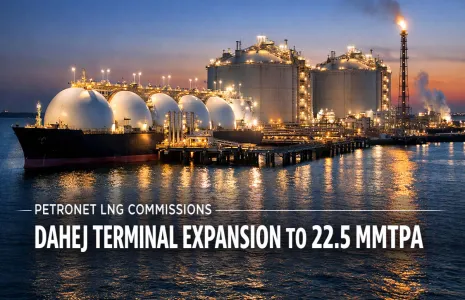
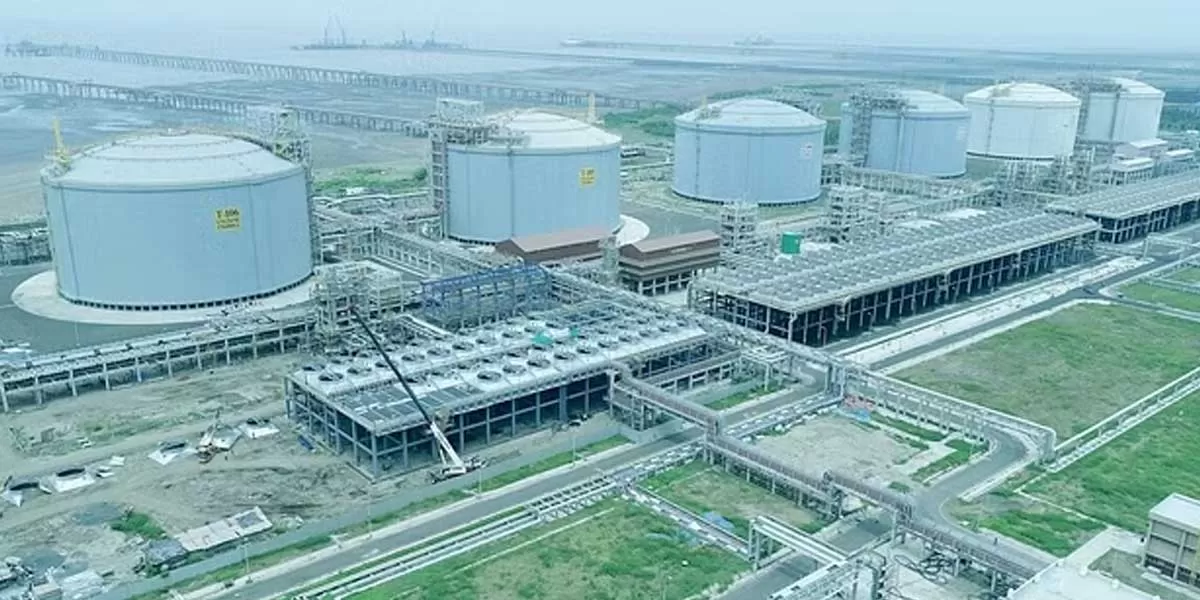
Following a similar structure to the previous deal, GAIL (India) will off-take 60% of the LNG volumes, Indian Oil Corporation Limited 30%, and Bharat Petroleum Corporation Limited 10% after the regasification process. Regasification, which involves converting LNG back to its gaseous state through heating, will take place primarily at Petronet's Dahej Terminal in Gujarat, executed on a substantially back-to-back basis.

Anticipating increased demand in various sectors such as fertilisers, city gas distribution, petrochemicals, and refineries in the coming years, the offtake from Qatar is projected to play a pivotal role. Petronet LNG CEO and MD Akshay Kumar Singh emphasised the national significance of the existing long-term agreement between Petronet LNG and QatarEnergy, accounting for approximately 35% of India's LNG imports.

Singh stated that the newly announced agreement will contribute to India's energy security, ensuring a stable and reliable supply of clean energy to support the country's economic development.

Highlighting that the majority of Petronet's LNG supplies are under long-term agreements, with spot purchases accounting for less than 2%, officials underlined the enduring impact of such arrangements.

In terms of broader implications, the recent deal is seen as a positive development for policymakers, providing relief amid tightening LNG supplies and increasing price volatility. This becomes particularly pertinent following the temporary pause by the US on pending decisions regarding LNG exports to nations without a free trade agreement, including India, potentially impacting global spot prices.

Despite the geopolitical considerations of diversifying LNG sources to mitigate strategic risks, the Petronet-QatarEnergy agreement reinforces Qatar's dominant position as the primary supplier of LNG to India. As of the first eight months of the current financial year, over 45% of India's LNG imports originated from Qatar, with the United Arab Emirates following at 14.1%, according to Commerce Department data.

Petronet LNG, the leading Liquified Natural Gas (LNG) terminal operator in India, unveiled a new significant long-term agreement on Tuesday to secure an annual supply of 7.5 million metric tonnes of LNG from Qatar. Disclosed during India Energy Week 2024, the deal involves QatarEnergy, a state-owned entity, delivering LNG on a make-on-delivery basis from 2028 to 2048, as per Petronet's announcement. Additionally, an existing 1999 agreement for another 7.5 MMTPA of LNG from Qatar has been extended by Petronet until 2028. Following a similar structure to the previous deal, GAIL (India) will off-take 60% of the LNG volumes, Indian Oil Corporation Limited 30%, and Bharat Petroleum Corporation Limited 10% after the regasification process. Regasification, which involves converting LNG back to its gaseous state through heating, will take place primarily at Petronet's Dahej Terminal in Gujarat, executed on a substantially back-to-back basis. Anticipating increased demand in various sectors such as fertilisers, city gas distribution, petrochemicals, and refineries in the coming years, the offtake from Qatar is projected to play a pivotal role. Petronet LNG CEO and MD Akshay Kumar Singh emphasised the national significance of the existing long-term agreement between Petronet LNG and QatarEnergy, accounting for approximately 35% of India's LNG imports. Singh stated that the newly announced agreement will contribute to India's energy security, ensuring a stable and reliable supply of clean energy to support the country's economic development. Highlighting that the majority of Petronet's LNG supplies are under long-term agreements, with spot purchases accounting for less than 2%, officials underlined the enduring impact of such arrangements. In terms of broader implications, the recent deal is seen as a positive development for policymakers, providing relief amid tightening LNG supplies and increasing price volatility. This becomes particularly pertinent following the temporary pause by the US on pending decisions regarding LNG exports to nations without a free trade agreement, including India, potentially impacting global spot prices. Despite the geopolitical considerations of diversifying LNG sources to mitigate strategic risks, the Petronet-QatarEnergy agreement reinforces Qatar's dominant position as the primary supplier of LNG to India. As of the first eight months of the current financial year, over 45% of India's LNG imports originated from Qatar, with the United Arab Emirates following at 14.1%, according to Commerce Department data.

Related Stories

Gold Stories

Next Story
Infrastructure Energy

Asian Energy Services Q1 FY27 PAT Rises 129 Per Cent

Asian Energy Services Limited reported a 129 per cent year-on-year rise in net profit to Rs 128 million for Q1 FY27, compared with the corresponding quarter last year.Revenue increased 135 per cent year-on-year to Rs 2.71 billion, supported by continued momentum across its services business, disciplined execution and contributions from domestic and international operations. EBITDA grew 81 per cent year-on-year during the quarter.As of June 30, 2026, the company’s standalone order book stood at Rs 17.54 billion, with around 60 per cent coming from oil and gas services and 40 per cent from min..

Next Story
Infrastructure Urban

BioBTX to Build First Commercial-Scale Circular Chemicals Plant

Dutch circular chemistry technology developer BioBTX is building what it says will be the world’s first commercial-scale plant to convert mixed plastic waste into high-quality aromatic chemicals using its proprietary Integrated Catalytic Cracking Process (ICCP) technology.The facility will be built at Chemical Park Delfzijl on the northern coast of the Netherlands and is expected to create 35 jobs. Covestro, which has been a shareholder and strategic partner of BioBTX since 2024, holds a mid-single-digit million-euro investment in the company.BioBTX’s ICCP technology uses catalytic pyrolys..

Next Story
Real Estate

Awfis Q1 FY27 PAT Jumps 140% as Revenue Rises 27%

Awfis Space Solutions reported a 140 per cent year-on-year rise in consolidated profit after tax (PAT) to Rs 240 million for Q1 FY27, compared with Rs 100 million in the corresponding quarter last year.Revenue from operations increased 27 per cent to Rs 4.25 billion from Rs 3.35 billion, while EBITDA rose 28 per cent to Rs 1.62 billion. EBITDA margin improved to 38.2 per cent from 37.8 per cent. Profit before tax increased 135 per cent to Rs 240 million.The company's co-working business recorded 27 per cent year-on-year growth, supported by demand from enterprises, Global Capability Centres (G..

Advertisement

Subscribe to Our Newsletter

Get daily newsletters around different themes from Construction world.

STAY CONNECTED

Advertisement