



PGCIL Secures 5.5 GW ISTS Project
POWER & RENEWABLE ENERGY

PGCIL Secures 5.5 GW ISTS Project

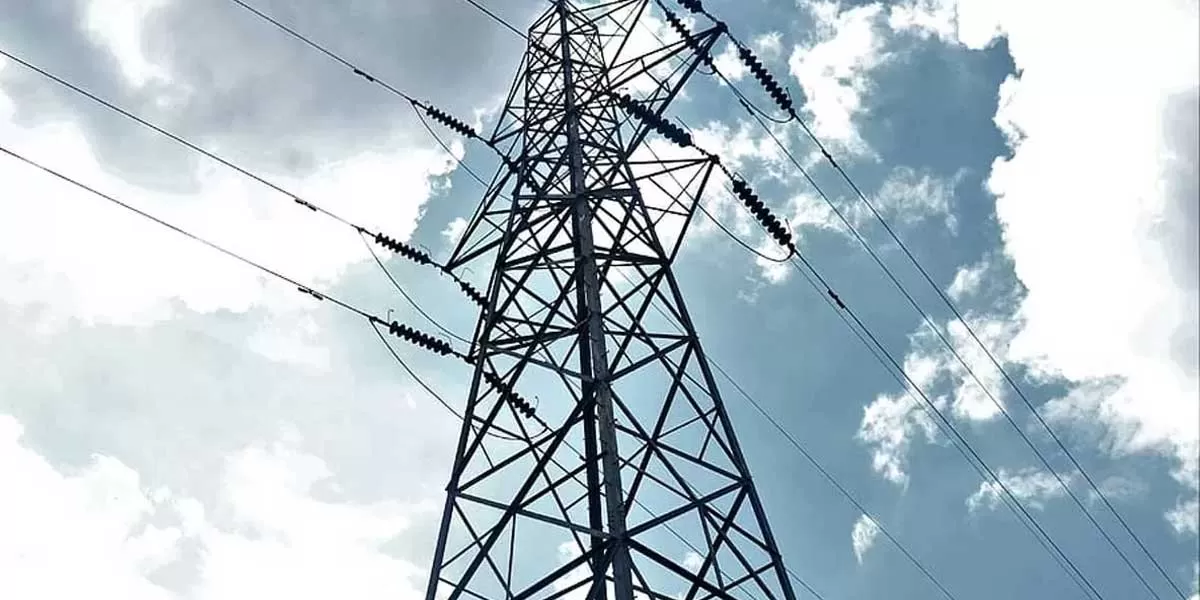
Power Grid Corporation of India (PGCIL) has successfully won an inter-state transmission system (ISTS) project to evacuate 5.5 GW of renewable energy from the Jaisalmer/Barmer Complex. This project is part of a tariff-based competitive bidding process conducted by REC Power Development and Consultancy (RECPDCL), aimed at establishing a comprehensive transmission system for Rajasthan’s Renewable Energy Zone (REZ) Phase IV.

The project entails the construction of a new 765/400/220 kV substation at Kurawar, along with the development of 765 kV and 400 kV double-circuit transmission lines. Additional works will include bay extensions at existing substations in Madhya Pradesh, facilitating the efficient evacuation of renewable energy.

The Ministry of New and Renewable Energy and the Solar Energy Corporation of India have identified renewable energy zones across eight states, targeting a total capacity of 181.5 GW by 2030. Within this framework, Rajasthan alone holds significant potential with 75 GW, comprising 15 GW from wind and 60 GW from solar sources.

A robust transmission program has been devised to support the evacuation of this renewable energy capacity, including the 5.5 GW project from the Jaisalmer/Barmer Complex. Recently, PGCIL was also selected to develop an ISTS project aimed at enhancing the transformation capacity of the Jam Khambhaliya Power Station in Gujarat.

In addition, RECPDCL transferred the Bhadla-III Power Transmission project to PGCIL, valued at Rs.64.2 million (~$765,151), which involves creating an additional 20 GW transmission system for the Bhadla-III PS.

PGCIL continues to play a pivotal role in India's energy landscape, with ongoing projects and initiatives designed to bolster the country’s renewable energy infrastructure and transmission capabilities.

Power Grid Corporation of India (PGCIL) has successfully won an inter-state transmission system (ISTS) project to evacuate 5.5 GW of renewable energy from the Jaisalmer/Barmer Complex. This project is part of a tariff-based competitive bidding process conducted by REC Power Development and Consultancy (RECPDCL), aimed at establishing a comprehensive transmission system for Rajasthan’s Renewable Energy Zone (REZ) Phase IV. The project entails the construction of a new 765/400/220 kV substation at Kurawar, along with the development of 765 kV and 400 kV double-circuit transmission lines. Additional works will include bay extensions at existing substations in Madhya Pradesh, facilitating the efficient evacuation of renewable energy. The Ministry of New and Renewable Energy and the Solar Energy Corporation of India have identified renewable energy zones across eight states, targeting a total capacity of 181.5 GW by 2030. Within this framework, Rajasthan alone holds significant potential with 75 GW, comprising 15 GW from wind and 60 GW from solar sources. A robust transmission program has been devised to support the evacuation of this renewable energy capacity, including the 5.5 GW project from the Jaisalmer/Barmer Complex. Recently, PGCIL was also selected to develop an ISTS project aimed at enhancing the transformation capacity of the Jam Khambhaliya Power Station in Gujarat. In addition, RECPDCL transferred the Bhadla-III Power Transmission project to PGCIL, valued at Rs.64.2 million (~$765,151), which involves creating an additional 20 GW transmission system for the Bhadla-III PS. PGCIL continues to play a pivotal role in India's energy landscape, with ongoing projects and initiatives designed to bolster the country’s renewable energy infrastructure and transmission capabilities.

Next Story
Infrastructure Transport

MMRDA advances 250 m on Orange Gate–Marine Drive tunnel

The Mumbai Metropolitan Region Development Authority (MMRDA) has completed 250 m of underground tunnelling for the Orange Gate–Marine Drive Urban Road Tunnel using India’s largest slurry shield tunnel boring machine (TBM) deployed for an urban road project.The project involves twin tunnels extending over 7 km beneath critical transport corridors, including Central Railway, Western Railway and Metro Line 3. The work requires high-precision engineering to navigate densely developed urban infrastructure.Once completed, the tunnel is expected to reduce travel time between Orange Gate and Marin..

Next Story
Infrastructure Urban

Hindustan Zinc Pays Rs 188.46 Billion in FY26

Hindustan Zinc contributed Rs 188.46 billion to the public exchequer in FY 2025-26, according to its 9th Tax Transparency Report. The contribution, equivalent to 46 per cent of the company’s revenue, included direct and indirect taxes, government royalties, dividends to the Government of India, withholding taxes and other statutory levies.The company’s five-year cumulative contribution to the exchequer stood at Rs 915.72 billion. In FY26, Hindustan Zinc reported revenue of Rs 408.44 billion, EBITDA of Rs 221.62 billion and profit after tax of Rs 138.32 billion. It also achieved its highest..

Next Story
Infrastructure Urban

World of Concrete India 2026 Opens in Mumbai

Informa Markets in India will host the 12th edition of World of Concrete India 2026 from 3–5 June 2026 at the Bombay Exhibition Centre, Mumbai. The specialised B2B exhibition will bring together manufacturers, suppliers, contractors, developers, architects, consultants, infrastructure companies, project leaders and government stakeholders.The event is expected to feature over 350 brands and more than 18,000 trade professionals. It will cover concrete and cement, dry mortar, precast technologies, formwork, construction chemicals, industrial and commercial flooring, scaffolding, safety solutio..

Advertisement

Subscribe to Our Newsletter

Get daily newsletters around different themes from Construction world.

STAY CONNECTED

Advertisement

Advertisement

Advertisement