PM Surya Ghar Gives Zero Power Bills To 0.77 Million Homes
POWER & RENEWABLE ENERGY

PM Surya Ghar Gives Zero Power Bills To 0.77 Million Homes

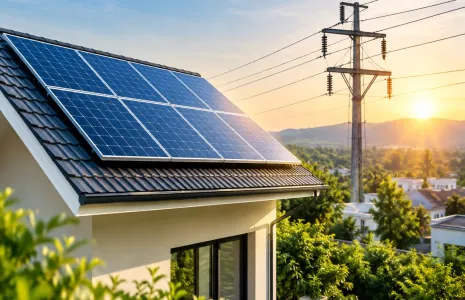
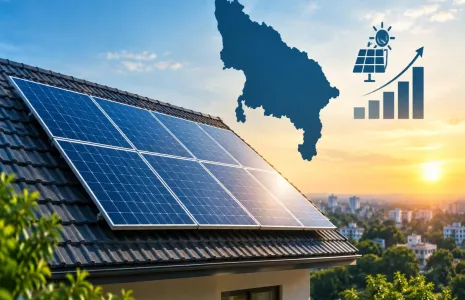
The PM Surya Ghar: Muft Bijli Yojana has delivered zero electricity bills to around 0.77 million households out of a total 2.44 million beneficiaries across the country, Parliament was informed on Tuesday.

The Centre launched the PM Surya Ghar scheme in February 2024 to enable rooftop solar installations in 10 million residential households by FY 2026–27, with a total outlay of Rs 750.21 billion. As of December 9, 2025, about 1.95 million rooftop solar systems had been installed nationwide, benefitting nearly 2.44 million households, Minister of State for New and Renewable Energy Shripad Yesso Naik said in a written reply to the Rajya Sabha.

According to the minister, around 0.77 million households are now receiving zero electricity bills under the scheme. Central financial assistance of Rs 139.26 billion has been released so far, while about 0.83 million loan applications had been sanctioned as of December 9, 2025.

In a separate reply, the minister said the PM-KUSUM scheme has empowered farmers as ‘Urjadata’ and has crossed the 2 million beneficiary mark. Under Component A, farmers can lease land for solar power plants and earn up to Rs 80,000 per hectare per year. For plants commissioned under this component, the median average income stands at about Rs 0.45 million per MW per month.

Under Component B, diesel pumps are being replaced with solar pumps. Assuming daily diesel consumption of 4.6 litres for a 5 HP pump and a diesel price of around Rs 87 per litre, farmers can achieve breakeven in less than a year, resulting in annual savings of at least Rs 60,000. Under Component C, farmers can earn around Rs 25,000 per acre per year by leasing land for solar projects.

On the National Green Hydrogen Mission, the minister informed Parliament that under the incentive scheme for electrolyser manufacturing, 15 companies have been awarded a combined manufacturing capacity of 3,000 MW per annum, with total incentives amounting to Rs 44.40 billion. Under the green hydrogen production incentive scheme, 18 companies have been awarded a cumulative capacity of 862,000 tonnes per annum, while two companies have received awards for procuring 20,000 tonnes per annum of green hydrogen for refineries.

The Ministry of New and Renewable Energy has also sanctioned four Hydrogen Valley Innovation Clusters under the mission, located in Jodhpur, Pune, Bhubaneswar and Kerala, the minister said.

The PM Surya Ghar: Muft Bijli Yojana has delivered zero electricity bills to around 0.77 million households out of a total 2.44 million beneficiaries across the country, Parliament was informed on Tuesday. The Centre launched the PM Surya Ghar scheme in February 2024 to enable rooftop solar installations in 10 million residential households by FY 2026–27, with a total outlay of Rs 750.21 billion. As of December 9, 2025, about 1.95 million rooftop solar systems had been installed nationwide, benefitting nearly 2.44 million households, Minister of State for New and Renewable Energy Shripad Yesso Naik said in a written reply to the Rajya Sabha. According to the minister, around 0.77 million households are now receiving zero electricity bills under the scheme. Central financial assistance of Rs 139.26 billion has been released so far, while about 0.83 million loan applications had been sanctioned as of December 9, 2025. In a separate reply, the minister said the PM-KUSUM scheme has empowered farmers as ‘Urjadata’ and has crossed the 2 million beneficiary mark. Under Component A, farmers can lease land for solar power plants and earn up to Rs 80,000 per hectare per year. For plants commissioned under this component, the median average income stands at about Rs 0.45 million per MW per month. Under Component B, diesel pumps are being replaced with solar pumps. Assuming daily diesel consumption of 4.6 litres for a 5 HP pump and a diesel price of around Rs 87 per litre, farmers can achieve breakeven in less than a year, resulting in annual savings of at least Rs 60,000. Under Component C, farmers can earn around Rs 25,000 per acre per year by leasing land for solar projects. On the National Green Hydrogen Mission, the minister informed Parliament that under the incentive scheme for electrolyser manufacturing, 15 companies have been awarded a combined manufacturing capacity of 3,000 MW per annum, with total incentives amounting to Rs 44.40 billion. Under the green hydrogen production incentive scheme, 18 companies have been awarded a cumulative capacity of 862,000 tonnes per annum, while two companies have received awards for procuring 20,000 tonnes per annum of green hydrogen for refineries. The Ministry of New and Renewable Energy has also sanctioned four Hydrogen Valley Innovation Clusters under the mission, located in Jodhpur, Pune, Bhubaneswar and Kerala, the minister said.

Related Stories

Gold Stories

Next Story
Infrastructure Urban

KONE Opens India's First Digital Experience Centre in Pune

KONE, a global elevator and escalator manufacturer, has inaugurated its first Digital Experience Centre (DEC) in India, located in Pune. The facility aims to showcase how artificial intelligence (AI), connectivity and data-driven technologies can enhance customer experiences and improve building operations.The centre was inaugurated by Jussi Herlin, Executive Vice Chair, KONE Corporation; Philippe Delorme, President and CEO, KONE; and Nandan Nilekani, Co-founder and Chairman of the Board, Infosys.Designed as an interactive customer environment, the facility demonstrates digital solutions cover..

Next Story
Infrastructure Urban

CII GreenCo Launches Circularity Guidelines for Indian Industry

The Confederation of Indian Industry (CII) GreenCo Council has launched the CII GreenCo Circularity Guidelines – Pilot Version at the 17th CII GreenCo Waste & Resource Management Summit 2026 in Chennai. The initiative aims to strengthen resource efficiency, waste reduction and circular economy practices across Indian manufacturing and process industries.The guidelines introduce a structured framework with circularity indices covering raw materials, consumables, packaging and other resource inputs. These indicators will help industries assess existing practices, identify opportunities to ..

Next Story
Infrastructure Energy

Global Electronics Association Launches IPC-1783-CO2E Standard

The Global Electronics Association has introduced IPC-1783-CO2E, a new international standard aimed at improving consistency, transparency and comparability in product carbon footprint reporting across the electronics manufacturing industry.The standard, titled International Standard for Data Collection and Reporting of CO2 Equivalent (CO2e) Emissions for the Electronics Manufacturing Supply Chain, provides industry-specific guidance for collecting, estimating and reporting carbon emissions data.With increasing regulatory requirements and customer expectations, electronics manufacturers face c..

Advertisement

Subscribe to Our Newsletter

Get daily newsletters around different themes from Construction world.

STAY CONNECTED

Advertisement

SPECIAL OFFER
QR Code