+
President emphasises fossil fuels' role in India's energy mix
POWER & RENEWABLE ENERGY

President emphasises fossil fuels' role in India's energy mix

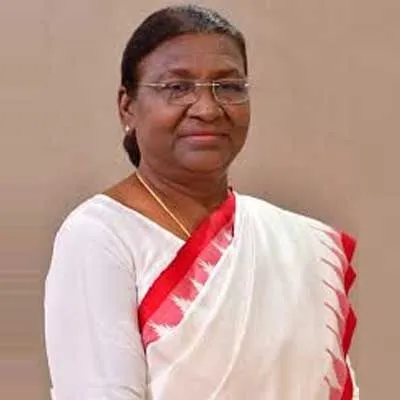
In a nuanced perspective on India's energy landscape, Droupadi Murmu, President emphasised the essential role of fossil fuel-based energy alongside renewable sources. Acknowledging the need for a diversified energy mix, the President highlighted the importance of maintaining a balanced approach to meet the nation's growing energy demands.

The President's remarks underscore the pragmatic approach India is adopting, recognizing the immediate reliance on fossil fuels while simultaneously promoting the transition to renewable energy. The coexistence of conventional and green energy sources is seen as crucial for ensuring energy security and meeting the demands of a rapidly developing nation.

While India is committed to expanding its renewable energy capacity and reducing carbon emissions, the President's statement reflects the pragmatic acknowledgment of the current energy realities. Fossil fuels remain a significant contributor to India's energy needs, particularly in industries where alternatives are still evolving or face infrastructural challenges.

The balancing act articulated by the President aligns with India's broader energy strategy, aiming for sustainability without compromising the country's economic growth. This nuanced perspective recognizes the transitional nature of India's energy journey and highlights the importance of a gradual and inclusive shift towards cleaner alternatives.

In a nuanced perspective on India's energy landscape, Droupadi Murmu, President emphasised the essential role of fossil fuel-based energy alongside renewable sources. Acknowledging the need for a diversified energy mix, the President highlighted the importance of maintaining a balanced approach to meet the nation's growing energy demands. The President's remarks underscore the pragmatic approach India is adopting, recognizing the immediate reliance on fossil fuels while simultaneously promoting the transition to renewable energy. The coexistence of conventional and green energy sources is seen as crucial for ensuring energy security and meeting the demands of a rapidly developing nation. While India is committed to expanding its renewable energy capacity and reducing carbon emissions, the President's statement reflects the pragmatic acknowledgment of the current energy realities. Fossil fuels remain a significant contributor to India's energy needs, particularly in industries where alternatives are still evolving or face infrastructural challenges. The balancing act articulated by the President aligns with India's broader energy strategy, aiming for sustainability without compromising the country's economic growth. This nuanced perspective recognizes the transitional nature of India's energy journey and highlights the importance of a gradual and inclusive shift towards cleaner alternatives.

Related Stories

Gold Stories

Next Story
Infrastructure Urban

Infrastructure Opportunity Outlook by IMPACCT.Info

India’s infrastructure pipeline is witnessing dynamic activity across stages — from immediate bidding to future planning. IMPACCT segments these into three categories: Immediate, 3–6 Month, and Future Opportunities, enabling businesses to identify, prepare, and participate in high-value tenders and projects across sectors.To read full article Click Here ..

Next Story
Real Estate

Glass, Reframed!

Glass façades, quintessential aesthetic building envelopes globally, have been widely adopted in India as well. But when the focus is high-performance building systems that deliver energy efficiency, comfort and architectural identity, glass isn’t the only preference. Combination solutions, involving glass and some other material, improve façade outcomes. Some combinations come at comparable prices, some at a higher price. Here is a selection of performance-oriented solutions...To read the full story Click Here ..

Next Story
Infrastructure Urban

Beyond Building Faster

India’s cities are expanding at an unprecedented pace, bringing new infrastructure and development opportunities while also intensifying challenges around mobility, public spaces, liveability and supporting infrastructure. The question, therefore, is not simply whether India can build faster, but whether it can build cities that work better.At a CW webinar, Are We Designing Better Cities – or Just Building Faster?, moderator Ar. Samir Shaikh, Founding Principal, AR&UD Studio, brought together perspectives from design, development, master planning and technology...To read the full artic..

Advertisement

Subscribe to Our Newsletter

Get daily newsletters around different themes from Construction world.

STAY CONNECTED

Advertisement

SPECIAL OFFER
QR Code