Serentica Secures First Textile Deal With 32 MW RE Pact
POWER & RENEWABLE ENERGY

Serentica Secures First Textile Deal With 32 MW RE Pact

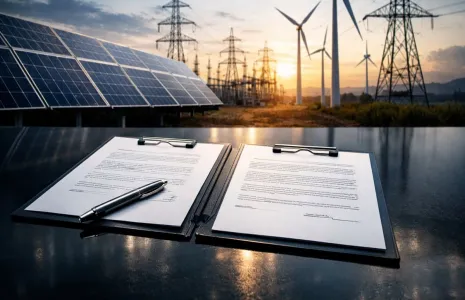
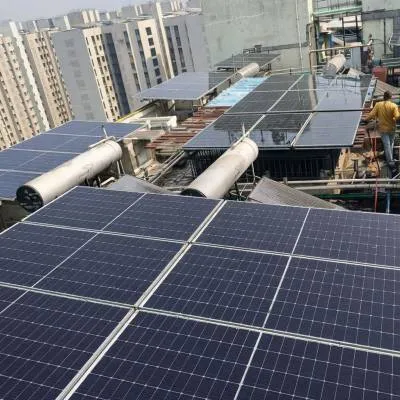
Serentica Renewables has signed a long-term power purchase agreement with Sanathan Polycot Private Limited, a subsidiary of Sanathan Textiles Limited, to supply clean energy to the textile sector. The companies will establish a Special Purpose Vehicle (SPV) to deliver a 32-megawatt (MW) hybrid, round-the-clock renewable energy project, with Sanathan holding a 26 per cent stake and Serentica Renewables retaining the remainder. The arrangement is intended to ensure uninterrupted operations at Sanathan Polycot's manufacturing facility in Punjab.

This deal marks Serentica’s first engagement in the textile sector and reflects the firm’s strategy to expand decarbonisation solutions for energy-intensive industries. The project will provide dependable and cost-efficient green power and is expected to give Sanathan long-term visibility on energy costs while supporting its sustainability agenda. Sanathan is described as an integrated and diversified yarn manufacturer operating across three segments, including polyester filament yarns, cotton yarns and yarns for technical textiles.

An earlier report by ICRA ESG Ratings Limited noted a steady increase in renewable energy adoption by Indian textile companies even as energy use per unit of revenue rose. The review covered 19 major textile firms from FY2023 to FY2025 and found the average renewable energy share in the sector's total energy consumption rose from about 14 per cent in FY2023 to 18 per cent in FY2025. The findings were presented within a broader analysis titled Sustainability Unstitched: Indian textile industry’s green gauge.

Serentica said the collaboration strengthens its ability to deliver tailored clean energy solutions to energy-intensive sectors and expands its portfolio across India's industrial and manufacturing landscape. The company added that providing round-the-clock renewable energy will enable industries to transition to clean power seamlessly and that the partnership with Sanathan Polycot indicates growing momentum among industrial players to adopt sustainable energy solutions. The arrangement is positioned as a step towards decarbonising a key pillar of India's manufacturing economy.

Serentica Renewables has signed a long-term power purchase agreement with Sanathan Polycot Private Limited, a subsidiary of Sanathan Textiles Limited, to supply clean energy to the textile sector. The companies will establish a Special Purpose Vehicle (SPV) to deliver a 32-megawatt (MW) hybrid, round-the-clock renewable energy project, with Sanathan holding a 26 per cent stake and Serentica Renewables retaining the remainder. The arrangement is intended to ensure uninterrupted operations at Sanathan Polycot's manufacturing facility in Punjab. This deal marks Serentica’s first engagement in the textile sector and reflects the firm’s strategy to expand decarbonisation solutions for energy-intensive industries. The project will provide dependable and cost-efficient green power and is expected to give Sanathan long-term visibility on energy costs while supporting its sustainability agenda. Sanathan is described as an integrated and diversified yarn manufacturer operating across three segments, including polyester filament yarns, cotton yarns and yarns for technical textiles. An earlier report by ICRA ESG Ratings Limited noted a steady increase in renewable energy adoption by Indian textile companies even as energy use per unit of revenue rose. The review covered 19 major textile firms from FY2023 to FY2025 and found the average renewable energy share in the sector's total energy consumption rose from about 14 per cent in FY2023 to 18 per cent in FY2025. The findings were presented within a broader analysis titled Sustainability Unstitched: Indian textile industry’s green gauge. Serentica said the collaboration strengthens its ability to deliver tailored clean energy solutions to energy-intensive sectors and expands its portfolio across India's industrial and manufacturing landscape. The company added that providing round-the-clock renewable energy will enable industries to transition to clean power seamlessly and that the partnership with Sanathan Polycot indicates growing momentum among industrial players to adopt sustainable energy solutions. The arrangement is positioned as a step towards decarbonising a key pillar of India's manufacturing economy.

Next Story
Infrastructure Transport

Tunnelling Begins for Thane, Borivali twin tunnel project

Tunnelling work has commenced for the 11.84-km Thane–Borivali Twin Tunnel, set to be India’s longest urban road tunnel, marking a key milestone in Mumbai’s infrastructure development.As per a post shared by Mumbai Metropolitan Region Development Authority on social media platform X, the tunnel boring machine (TBM) ‘Nayak’—the country’s largest single-shield hard rock TBM for an urban tunnel—was launched by Devendra Fadnavis on Tuesday. The event was attended by Eknath Shinde and Sunetra Pawar, among other dignitaries. A second TBM, ‘Arjuna’, is expected to be launched so..

Next Story
Infrastructure Transport

Large Format Store Planned At M G Road Metro Station

M G Road station in Bengaluru is set to host the city’s first large-format commercial and experience space, with planning led by Bangalore Metro Rail Corporation Limited. BMRCL has invited proposals to develop and operate a central business district destination at the Purple?Pink Line interchange. The plan positions the station as a commercial hub designed to serve a broad commuter base across the city. The proposal is part of a broader effort to activate transit nodes commercially. Tender documents set a minimum monthly rental of Rs 0.944 million (mn), inclusive of GST, for the large-format..

Next Story
Infrastructure Energy

Government Cancels Auction Of Eleven Critical Mineral Blocks

The government has cancelled the auction of 11 critical and strategic mineral blocks after receiving a poor investor response and failing to attract a sufficient number of qualified bidders. The decision represents a setback to plans to ramp up domestic exploration and production of critical minerals amid global supply chain disruptions and rising demand for materials used in clean energy and advanced technologies. The mines ministry issued an annulment notice setting out the reasons for the cancellations. The annulment notice indicated that the auction process for five mineral blocks was canc..

Advertisement

Subscribe to Our Newsletter

Get daily newsletters around different themes from Construction world.

STAY CONNECTED

Advertisement

Advertisement

Advertisement