+
SJVN bags 200 MW grid-connected solar PV project in Bihar
POWER & RENEWABLE ENERGY

SJVN bags 200 MW grid-connected solar PV project in Bihar

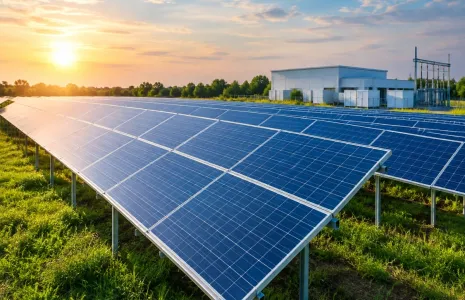
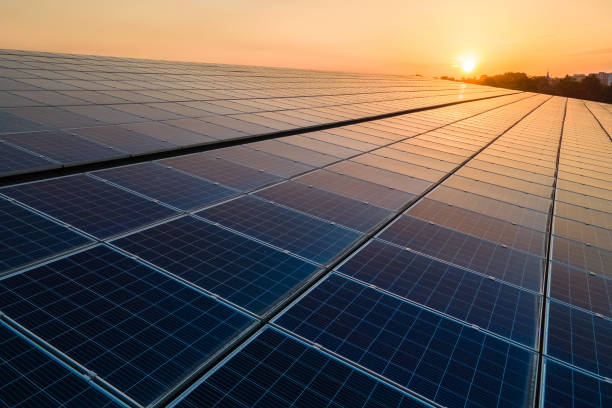
SJVN Limited has secured a 200 MW grid-connected solar photovoltaic project in Bihar in an auction conducted by Bihar Renewable Energy Development Agency (BREDA) through the open competitive tariff bidding process.

SJVN quoted a tariff of Rs 3.11 per kWh for the 200 MW of projects to be developed on a build, own, and operate basis during the e-reverse auction. Three additional bidders also took part in the auction.

As per Nand Lal Sharma, Chairman & Managing Director, SJVN, the tentative value of the construction and development of the project is Rs 10 billion. The project is likely to produce 420.48 MU in the first year and produce around 10,512 MU over 25 years.

SJVN and BREDA will sign the purchase power deal for 25 years.

The 200 MW of solar capacity acquired by SJVN is part of the 250 MW bid issued by BREDA.

The tender has been reissued and modified more than once as it was first floated in June 2019. In the instant bidding process, a tariff of Rs 3.45 per kWh was proposed. But this tariff was not permitted by the state regulator stating it to be on the higher side and suggested that the tariff be renegotiated, in the range of Rs 3.05 per kWh to Rs 3.15 per kWh. The regulator also recommended that if the bidders and BREDA cannot reach a renegotiated tariff in the suggested range, then the instant bid process gets cancelled, and BREDA retenders the projects.

In December 2019, BREDA reissued the same tender with an updated ceiling tariff of Rs 3.15 per kWh. Again, in May 2020, BREDA eliminated the tariff ceiling of Rs 3.15 per kWh and extended the tender submission deadline. In December 2020, the bid was reissued once again.

SJVN has a total established power capacity of 2,016.5 MW, comprising two hydropower projects of 1,912 MW, two wind projects of 97.6 MW and two solar projects of 6.9 MW.

Earlier this year, SJVN acquired a 100 MW solar project in the Gujarat Urja Vikas Nigam Limited’s auction. It quoted a tariff of Rs 2.64 per kWh.

SJVN also aims to take part in the Indian Renewable Energy Development Agency’s auction for 5 GW of grid-connected solar projects in India under the Central Public Sector Undertaking program. SJVN has pre-booked solar energy sales of 150 MW at Rs 2.44 per kWh with New Delhi Municipal Corporation for 25 years.

Image Source


Also read: ReNew Power to buy 260 MW operational solar in Telangana

Also read: BREDA invites bids for 1 MW of hybrid rooftop solar projects in Bihar

SJVN Limited has secured a 200 MW grid-connected solar photovoltaic project in Bihar in an auction conducted by Bihar Renewable Energy Development Agency (BREDA) through the open competitive tariff bidding process. SJVN quoted a tariff of Rs 3.11 per kWh for the 200 MW of projects to be developed on a build, own, and operate basis during the e-reverse auction. Three additional bidders also took part in the auction. As per Nand Lal Sharma, Chairman & Managing Director, SJVN, the tentative value of the construction and development of the project is Rs 10 billion. The project is likely to produce 420.48 MU in the first year and produce around 10,512 MU over 25 years. SJVN and BREDA will sign the purchase power deal for 25 years. The 200 MW of solar capacity acquired by SJVN is part of the 250 MW bid issued by BREDA. The tender has been reissued and modified more than once as it was first floated in June 2019. In the instant bidding process, a tariff of Rs 3.45 per kWh was proposed. But this tariff was not permitted by the state regulator stating it to be on the higher side and suggested that the tariff be renegotiated, in the range of Rs 3.05 per kWh to Rs 3.15 per kWh. The regulator also recommended that if the bidders and BREDA cannot reach a renegotiated tariff in the suggested range, then the instant bid process gets cancelled, and BREDA retenders the projects. In December 2019, BREDA reissued the same tender with an updated ceiling tariff of Rs 3.15 per kWh. Again, in May 2020, BREDA eliminated the tariff ceiling of Rs 3.15 per kWh and extended the tender submission deadline. In December 2020, the bid was reissued once again. SJVN has a total established power capacity of 2,016.5 MW, comprising two hydropower projects of 1,912 MW, two wind projects of 97.6 MW and two solar projects of 6.9 MW. Earlier this year, SJVN acquired a 100 MW solar project in the Gujarat Urja Vikas Nigam Limited’s auction. It quoted a tariff of Rs 2.64 per kWh. SJVN also aims to take part in the Indian Renewable Energy Development Agency’s auction for 5 GW of grid-connected solar projects in India under the Central Public Sector Undertaking program. SJVN has pre-booked solar energy sales of 150 MW at Rs 2.44 per kWh with New Delhi Municipal Corporation for 25 years. Image Source Also read: ReNew Power to buy 260 MW operational solar in Telangana Also read: BREDA invites bids for 1 MW of hybrid rooftop solar projects in Bihar

Related Stories

Gold Stories

Next Story
Infrastructure Urban

Infrastructure Opportunity Outlook by IMPACCT.Info

India’s infrastructure pipeline is witnessing dynamic activity across stages — from immediate bidding to future planning. IMPACCT segments these into three categories: Immediate, 3–6 Month, and Future Opportunities, enabling businesses to identify, prepare, and participate in high-value tenders and projects across sectors.To read full article Click Here ..

Next Story
Real Estate

Glass, Reframed!

Glass façades, quintessential aesthetic building envelopes globally, have been widely adopted in India as well. But when the focus is high-performance building systems that deliver energy efficiency, comfort and architectural identity, glass isn’t the only preference. Combination solutions, involving glass and some other material, improve façade outcomes. Some combinations come at comparable prices, some at a higher price. Here is a selection of performance-oriented solutions...To read the full story Click Here ..

Next Story
Infrastructure Urban

Beyond Building Faster

India’s cities are expanding at an unprecedented pace, bringing new infrastructure and development opportunities while also intensifying challenges around mobility, public spaces, liveability and supporting infrastructure. The question, therefore, is not simply whether India can build faster, but whether it can build cities that work better.At a CW webinar, Are We Designing Better Cities – or Just Building Faster?, moderator Ar. Samir Shaikh, Founding Principal, AR&UD Studio, brought together perspectives from design, development, master planning and technology...To read the full artic..

Advertisement

Subscribe to Our Newsletter

Get daily newsletters around different themes from Construction world.

STAY CONNECTED

Advertisement

SPECIAL OFFER
QR Code