West Bengal to Shift to Monthly Power Billing from January 2027
POWER & RENEWABLE ENERGY

West Bengal to Shift to Monthly Power Billing from January 2027

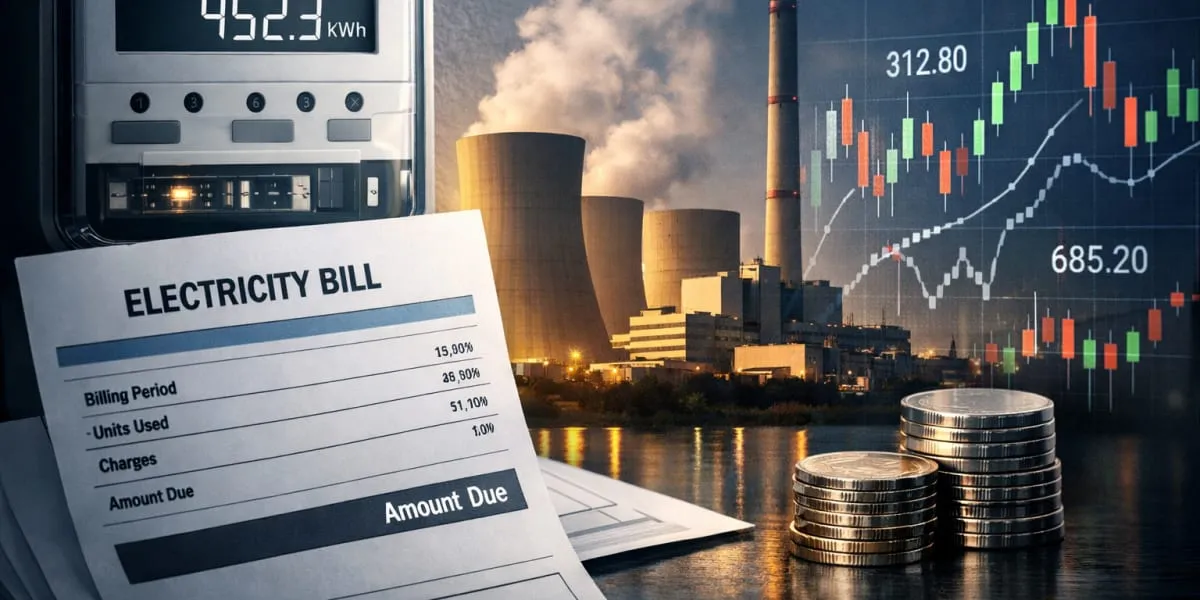
The West Bengal State Electricity Distribution Company (WBSEDCL) will shift to monthly electricity billing from January next year, the chief minister told the assembly. He said smart metres would not be mandatory for domestic consumers. He said the government will begin the stock market listing of the West Bengal Power Development Corporation.

He said listing the corporation would strengthen its finances, improve transparency, create employment and increase corporate social responsibility spending. The assembly approved the power department's demand for grants of Rs 53.41 bn for the current fiscal by voice vote. The proposals were made while he replied to a debate on the budget.

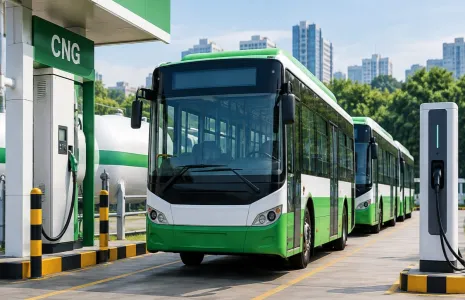
WBSEDCL will replace the three-month billing cycle with monthly statements and will double night mobile service vans in rural areas and manpower at customer care centres this financial year. The state will implement PM-KUSUM with an additional subsidy of Rs two per unit for agricultural electricity from August one. The company will also develop a network of EV charging stations across the state under the Centre's PM E-Drive scheme, including facilities for commercial vehicles.

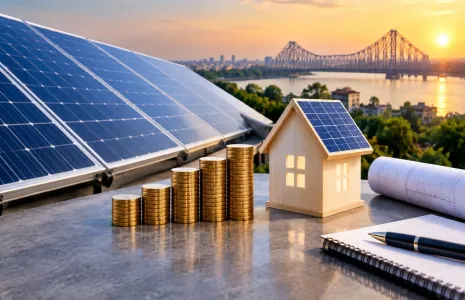
On generation, the government proposed an 800 MW supercritical thermal unit at Bakreshwar at an estimated cost of Rs 100.7 bn and a 200 MW floating solar project at the Bakreshwar reservoir with a 320 MWh battery system at an estimated Rs 20.14 bn. A battery system at Kolaghat is estimated at Rs 12.38 bn alongside a solar project. The state will seek to increase captive coal production and sell around three mn t of surplus coal to raise revenue.

He announced development of a 1,000 MW pumped storage project at Panchet with the Damodar Valley Corporation and participation in the Centre's Vibrant Villages Programme in nine border districts. Priority power connectivity will be given to railways, national highways and central projects. Under the power department's corporate social responsibility programme, sanitary napkin vending machines will be installed in 1,000 higher secondary girls' schools and colleges and 54,000 Integrated Child Development Service centres will receive free electricity connections.

The West Bengal State Electricity Distribution Company (WBSEDCL) will shift to monthly electricity billing from January next year, the chief minister told the assembly. He said smart metres would not be mandatory for domestic consumers. He said the government will begin the stock market listing of the West Bengal Power Development Corporation. He said listing the corporation would strengthen its finances, improve transparency, create employment and increase corporate social responsibility spending. The assembly approved the power department's demand for grants of Rs 53.41 bn for the current fiscal by voice vote. The proposals were made while he replied to a debate on the budget. WBSEDCL will replace the three-month billing cycle with monthly statements and will double night mobile service vans in rural areas and manpower at customer care centres this financial year. The state will implement PM-KUSUM with an additional subsidy of Rs two per unit for agricultural electricity from August one. The company will also develop a network of EV charging stations across the state under the Centre's PM E-Drive scheme, including facilities for commercial vehicles. On generation, the government proposed an 800 MW supercritical thermal unit at Bakreshwar at an estimated cost of Rs 100.7 bn and a 200 MW floating solar project at the Bakreshwar reservoir with a 320 MWh battery system at an estimated Rs 20.14 bn. A battery system at Kolaghat is estimated at Rs 12.38 bn alongside a solar project. The state will seek to increase captive coal production and sell around three mn t of surplus coal to raise revenue. He announced development of a 1,000 MW pumped storage project at Panchet with the Damodar Valley Corporation and participation in the Centre's Vibrant Villages Programme in nine border districts. Priority power connectivity will be given to railways, national highways and central projects. Under the power department's corporate social responsibility programme, sanitary napkin vending machines will be installed in 1,000 higher secondary girls' schools and colleges and 54,000 Integrated Child Development Service centres will receive free electricity connections.

Next Story
Infrastructure Urban

AI Powered Security Robot To Debut At Puri Station

The East Coast Railway (ECoR) has unveiled an artificial intelligence powered robotic surveillance platform that will be deployed at Puri railway station ahead of Lord Jagannath's Bahuda Yatra on 24 July to enhance passenger safety and security. The platform, named DSC ARJUN, was revealed in the presence of ECoR General Manager Parmeshwar Funkwal and senior railway and Railway Protection Force (RPF) officers. ECoR officials said the system has been introduced as a temporary deployment for the festival and may later be shifted to Bhubaneswar railway station. Developed to support Railway Protect..

Next Story
Infrastructure Urban

India Eases RCMC Rule For Low Value Exports

The Directorate General of Foreign Trade (DGFT) has proposed exempting low value export consignments from the requirement to hold a registration-cum-membership certificate (RCMC), in a move intended to simplify compliance for small exporters. The proposal targets shipments with a free-on-board value of up to Rs 10,000 and seeks to reduce paperwork for first time exporters and micro, small and medium enterprises. The announcement forms part of a wider government effort to encourage exports through online platforms and emerging delivery channels. Under the proposed amendment to Paragraph 2.57 of..

Next Story
Infrastructure Urban

Assam Launches Centre Of Excellence For Additive Manufacturing

The Assam government has inaugurated a Digital Design and additive manufacturing centre of excellence in Guwahati, signalling a push towards technology driven manufacturing across the state. Chief Minister Himanta Biswa Sarma opened the facility and outlined its intended role in fostering innovation, product development and entrepreneurship. The centre will provide industries, startups and researchers with access to advanced digital manufacturing tools and additive manufacturing capabilities. Officials said the facility aims to strengthen the state innovation ecosystem and reduce dependence on..

Advertisement

Subscribe to Our Newsletter

Get daily newsletters around different themes from Construction world.

STAY CONNECTED

Advertisement

Advertisement

Advertisement