Wind Energy Key to India’s Green Energy Goals
POWER & RENEWABLE ENERGY

Wind Energy Key to India’s Green Energy Goals

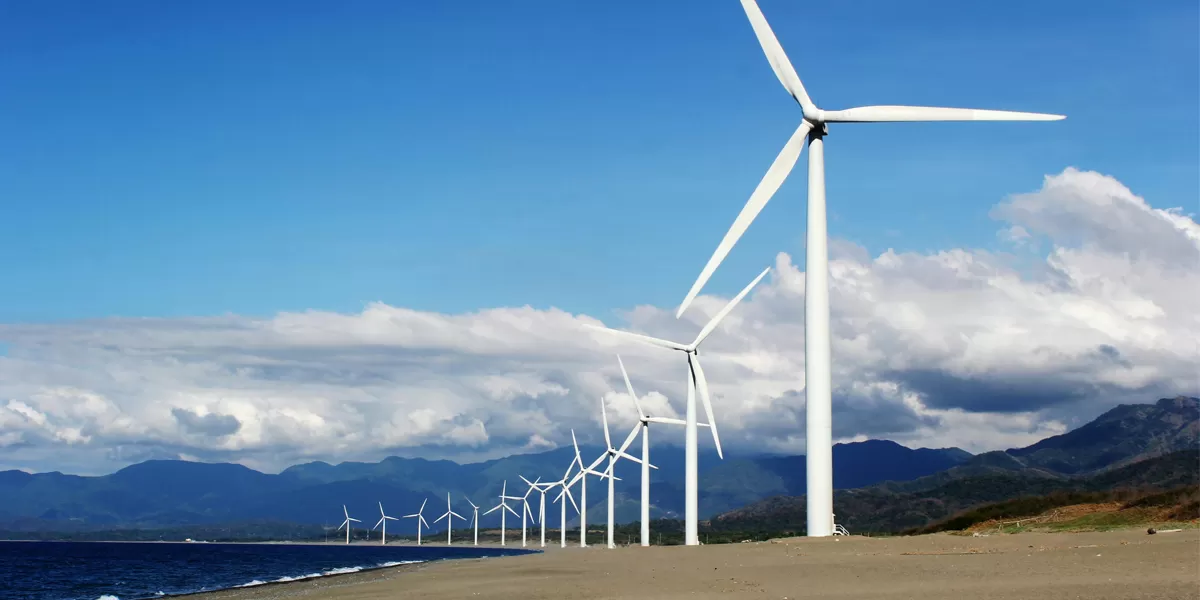
On Global Wind Day 2025, Union Minister for New and Renewable Energy, Pralhad Joshi, reiterated that wind energy lies at the heart of India’s renewable energy strategy. Addressing a stakeholders’ conference in Bengaluru, Joshi stated that India’s ambition to source 50 per cent of its power from non-fossil sources by 2030 and achieve net-zero by 2070 hinges on the growth of wind energy.

Alongside Union Minister of State Shripad Yesso Naik and Karnataka’s Energy Minister K.G. George, Joshi underscored that India’s growing manufacturing base must be supported by clean energy sources, including solar, wind, and others. “Wind is not a component of our energy mix, it is central to Atma Nirbhar Bharat,” he said.

India currently ranks fourth globally in wind power installed capacity and third in overall renewable energy production. Joshi credited this progress to sustained efforts over the past decade, which transformed India into a leading renewable energy manufacturer.

Emphasising the government’s vision of “renewable energy for manufacturing and conventional energy for households,” Joshi said India’s manufacturing capacity is poised to grow, and the energy ecosystem must evolve accordingly.
The minister highlighted three critical priorities for the wind sector:

1. Combine wind with solar and storage (BESS) to ensure round-the-clock power.
2. Reduce high tariffs—currently Rs 3.90 per unit—to boost competitiveness.
3. Strengthen domestic manufacturing for both self-reliance and global exports.

The Centre has allocated Rs 265.49 billion for renewable energy in the 2025–26 budget—a 53 per cent increase over the previous year—with a major share directed to wind energy.

India currently manufactures wind turbines ranging from 225 kW to 5.2 MW, across 33 models by 14 firms, which are both domestically sufficient and globally competitive. To unlock the nation’s full wind potential, Joshi outlined five focus areas:
  • Expand into new states like Madhya Pradesh, Telangana, and Odisha.
  • Launch the offshore wind sector, with 4 GW of leasing zones identified in Gujarat and Tamil Nadu.
  • Integrate wind into firm and round-the-clock green power using storage.
  • Modernise the grid with AI-based forecasting tools.
  • Strengthen local manufacturing across the entire wind value chain.
Joshi also released two key reports—Wind Energy Roadmap and Wind Manufacturing Roadmap—which will guide strategic planning in the sector.
At the event, Karnataka was recognised as the best-performing state in wind capacity addition for 2024–25, with 1,331.48 MW, followed by Tamil Nadu (1,136.37 MW) and Gujarat (954.76 MW).

Global Wind Day, observed annually on 15th June, celebrates the progress of wind energy worldwide. The 2025 event, organised by the Ministry of New and Renewable Energy, brought together key stakeholders from state and central agencies, DISCOMs, CPSUs, the wind industry, academia, and associations such as WIPPA, IWTMA, and IWPA to deliberate on the future of wind energy in India.

"Join industry leaders at RAHSTA Expo, India's premier platform for roads, highways and traffic infrastructure. Register now to explore innovations, network with experts and shape the future of mobility."

On Global Wind Day 2025, Union Minister for New and Renewable Energy, Pralhad Joshi, reiterated that wind energy lies at the heart of India’s renewable energy strategy. Addressing a stakeholders’ conference in Bengaluru, Joshi stated that India’s ambition to source 50 per cent of its power from non-fossil sources by 2030 and achieve net-zero by 2070 hinges on the growth of wind energy.Alongside Union Minister of State Shripad Yesso Naik and Karnataka’s Energy Minister K.G. George, Joshi underscored that India’s growing manufacturing base must be supported by clean energy sources, including solar, wind, and others. “Wind is not a component of our energy mix, it is central to Atma Nirbhar Bharat,” he said.India currently ranks fourth globally in wind power installed capacity and third in overall renewable energy production. Joshi credited this progress to sustained efforts over the past decade, which transformed India into a leading renewable energy manufacturer.Emphasising the government’s vision of “renewable energy for manufacturing and conventional energy for households,” Joshi said India’s manufacturing capacity is poised to grow, and the energy ecosystem must evolve accordingly.The minister highlighted three critical priorities for the wind sector:1. Combine wind with solar and storage (BESS) to ensure round-the-clock power.2. Reduce high tariffs—currently Rs 3.90 per unit—to boost competitiveness.3. Strengthen domestic manufacturing for both self-reliance and global exports.The Centre has allocated Rs 265.49 billion for renewable energy in the 2025–26 budget—a 53 per cent increase over the previous year—with a major share directed to wind energy.India currently manufactures wind turbines ranging from 225 kW to 5.2 MW, across 33 models by 14 firms, which are both domestically sufficient and globally competitive. To unlock the nation’s full wind potential, Joshi outlined five focus areas:Expand into new states like Madhya Pradesh, Telangana, and Odisha.Launch the offshore wind sector, with 4 GW of leasing zones identified in Gujarat and Tamil Nadu.Integrate wind into firm and round-the-clock green power using storage.Modernise the grid with AI-based forecasting tools.Strengthen local manufacturing across the entire wind value chain.Joshi also released two key reports—Wind Energy Roadmap and Wind Manufacturing Roadmap—which will guide strategic planning in the sector.At the event, Karnataka was recognised as the best-performing state in wind capacity addition for 2024–25, with 1,331.48 MW, followed by Tamil Nadu (1,136.37 MW) and Gujarat (954.76 MW).Global Wind Day, observed annually on 15th June, celebrates the progress of wind energy worldwide. The 2025 event, organised by the Ministry of New and Renewable Energy, brought together key stakeholders from state and central agencies, DISCOMs, CPSUs, the wind industry, academia, and associations such as WIPPA, IWTMA, and IWPA to deliberate on the future of wind energy in India.

Next Story
Real Estate

Pecan Realty Completes Rs 1.5 Billion Transactions

Pecan Realty has recently completed four institutional transactions worth over Rs 1.5 billion over the past two years, strengthening its position as an execution-led real estate platform. The deals include resolution-led acquisitions, structured finance transactions and capital partnerships across its development portfolio.The transactions covered acquisitions through the National Company Law Tribunal process and helped provide repayment or exits to both private and public sector lenders. The company said the deals demonstrate its ability to resolve complex project situations, work with instit..

Next Story
Real Estate

SNN Estates Expands North Bengaluru Housing Project

SNN Estates has announced an expansion of its SNN Estates Felicity residential project in North Bengaluru following strong buyer demand, with 75 per cent of the first-phase inventory sold within three days of launch.The developer will add 76 apartments in the new phase, taking the project's estimated revenue potential to around Rs 1,000 crore upon completion of Phase 2.Spread across 6.5 acres in Rachenahalli, near Manyata Tech Park, the project comprises 604 apartments in 1.5, 2, 2.5, 3 and 4 BHK configurations. The development includes a 50,000-sq-ft clubhouse with amenities such as sports co..

Next Story
Infrastructure Urban

SCG Drives ASEAN Industrial Transformation Strategy

SCG is strengthening its focus on ASEAN as a key growth region by advancing industrial transformation, enhancing competitiveness and building resilient regional value chains. Thammasak Sethaudom, President and Chief Executive Officer, SCG, highlighted the need for industries to continuously develop capabilities, strengthen resilience and deepen regional cooperation to achieve sustainable long-term growth.SCG views ASEAN as an important growth engine alongside China, supported by favourable demographics, trade connectivity and investment flows. With ASEAN’s GDP projected to grow by around 4.7..

Advertisement

Subscribe to Our Newsletter

Get daily newsletters around different themes from Construction world.

STAY CONNECTED

Advertisement

Advertisement

Advertisement