Wärtsilä Study Projects EUR 196bn in Data Centre Power Savings
POWER & RENEWABLE ENERGY

Wärtsilä Study Projects EUR 196bn in Data Centre Power Savings

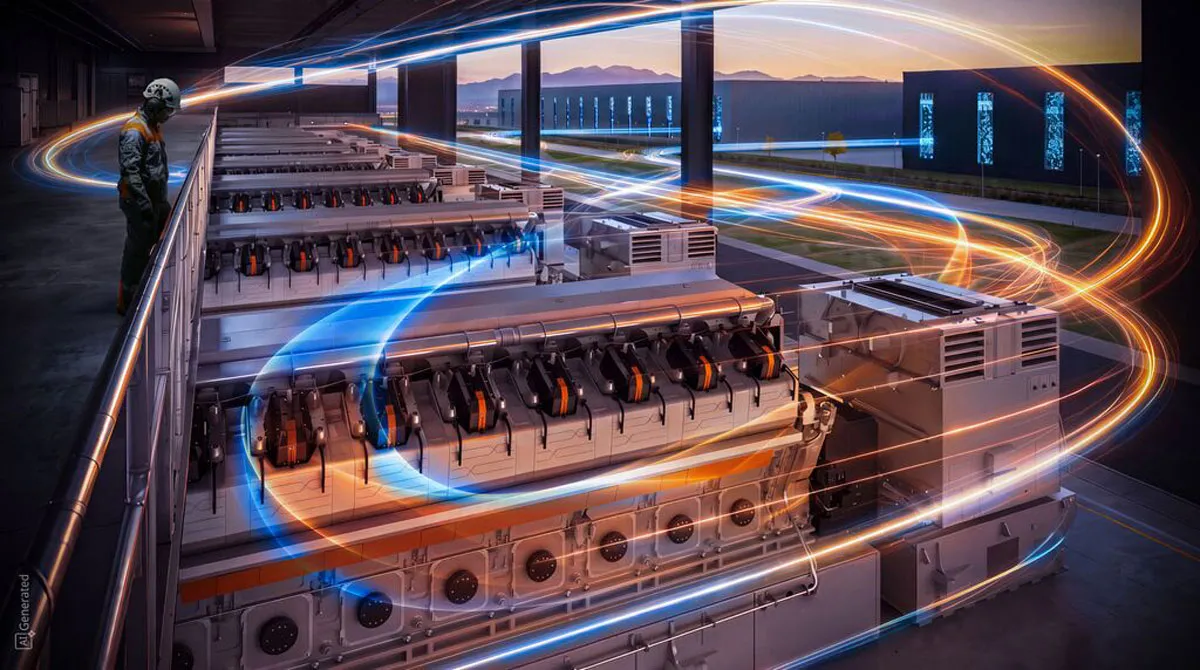
A new Wärtsilä study estimates that powering 55 GW of off-grid data centre capacity with flexible engines instead of combined-cycle gas turbines (CCGTs) could save EUR 196 billion over 20 years.

In the modelled scenario, engine-based solutions could use 99.97% less water than CCGTs and require land equivalent to 2,200 fewer football pitches. The study attributes the lower water use to reduced cooling requirements and the smaller land footprint to less generation equipment and battery storage being needed to meet the same data centre demand.

The 55 GW figure represents the upper end of the deployment outlook assessed for 2035, not a prediction. Wärtsilä based its modelling on third-party forecasts, including BloombergNEF data, and an assessment of announced projects. The technology scenarios are illustrative; actual deployment is expected to involve a mix of technologies.

Wärtsilä says onsite power could help developers avoid lengthy grid connection queues. Once connected, flexible engines could provide backup power and help balance fluctuations in wind and solar generation.

The study also notes the potential to use data centres’ recovered waste heat in district heating networks. Citing an International Energy Agency estimate, it says this heat could meet around 10% of Europe’s space-heating demand and create EUR 180 billion in net economic value over 20 years. Wärtsilä is calling for data centre developers, regulators and power system operators to work together to realise these potential benefits.

A new Wärtsilä study estimates that powering 55 GW of off-grid data centre capacity with flexible engines instead of combined-cycle gas turbines (CCGTs) could save EUR 196 billion over 20 years.In the modelled scenario, engine-based solutions could use 99.97% less water than CCGTs and require land equivalent to 2,200 fewer football pitches. The study attributes the lower water use to reduced cooling requirements and the smaller land footprint to less generation equipment and battery storage being needed to meet the same data centre demand.The 55 GW figure represents the upper end of the deployment outlook assessed for 2035, not a prediction. Wärtsilä based its modelling on third-party forecasts, including BloombergNEF data, and an assessment of announced projects. The technology scenarios are illustrative; actual deployment is expected to involve a mix of technologies.Wärtsilä says onsite power could help developers avoid lengthy grid connection queues. Once connected, flexible engines could provide backup power and help balance fluctuations in wind and solar generation.The study also notes the potential to use data centres’ recovered waste heat in district heating networks. Citing an International Energy Agency estimate, it says this heat could meet around 10% of Europe’s space-heating demand and create EUR 180 billion in net economic value over 20 years. Wärtsilä is calling for data centre developers, regulators and power system operators to work together to realise these potential benefits.

Related Stories

Gold Stories

Next Story
Real Estate

PCPL launches mixed-use project in Goregaon with Rs 4.3 billion GDV

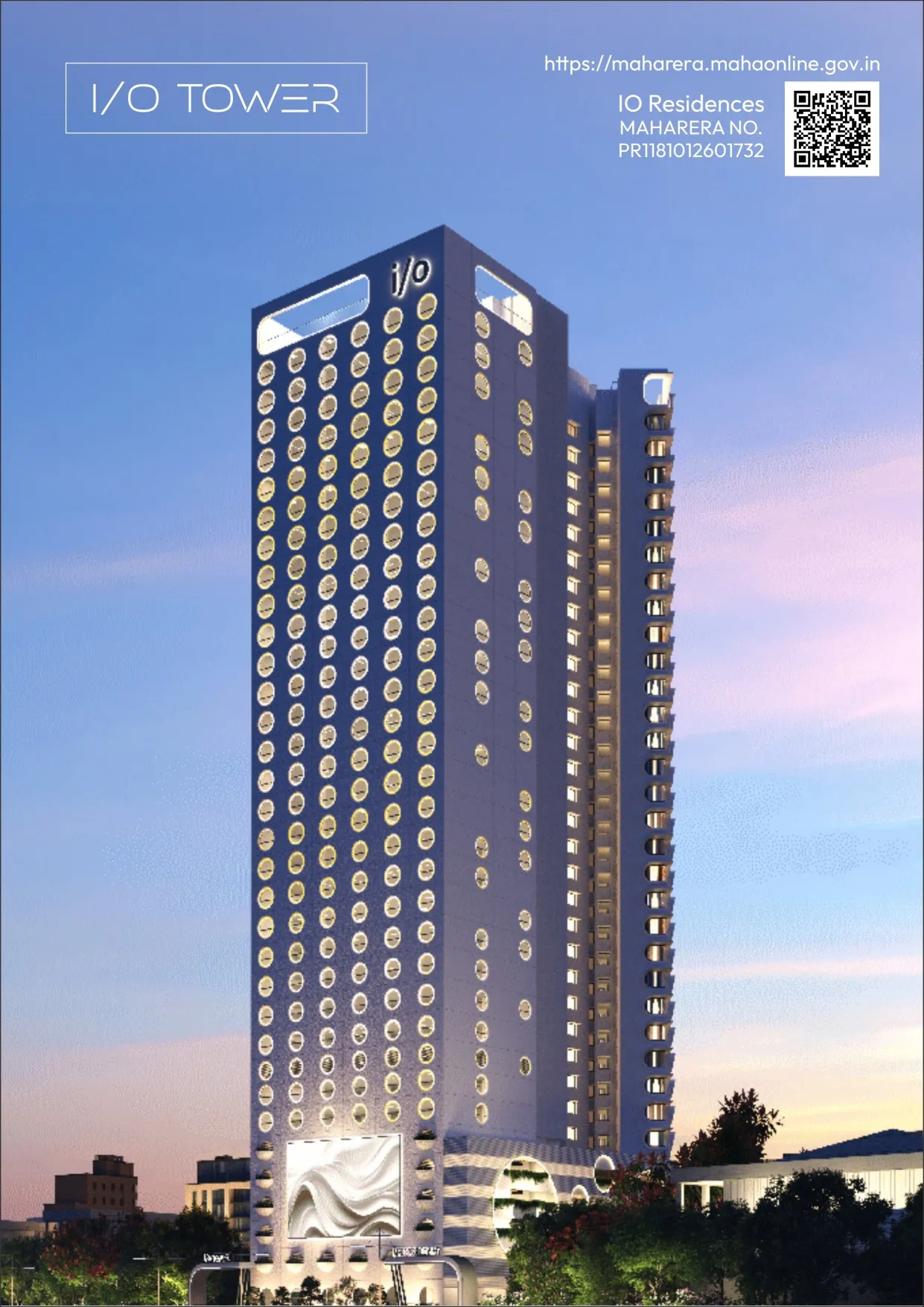
Pranav Constructions (PCPL) has launched I/O Tower and I/O Residences, a mixed-use development in Oshiwara District Centre (ODC), Goregaon, Mumbai, with a combined gross development value (GDV) of nearly Rs 4.3 billion. The project, comprising boutique office spaces and 1, 2 and 3 BHK apartments, is being developed through the redevelopment of Rajnigandha Co-operative Housing Society.Designed by internationally acclaimed architect James Law, founder of Hong Kong-based Cybertecture, the development brings residential and commercial spaces together while maintaining separate access and facilitie..
Next Story
Real Estate

GRIHA Summit focuses on low-carbon buildings and infrastructure

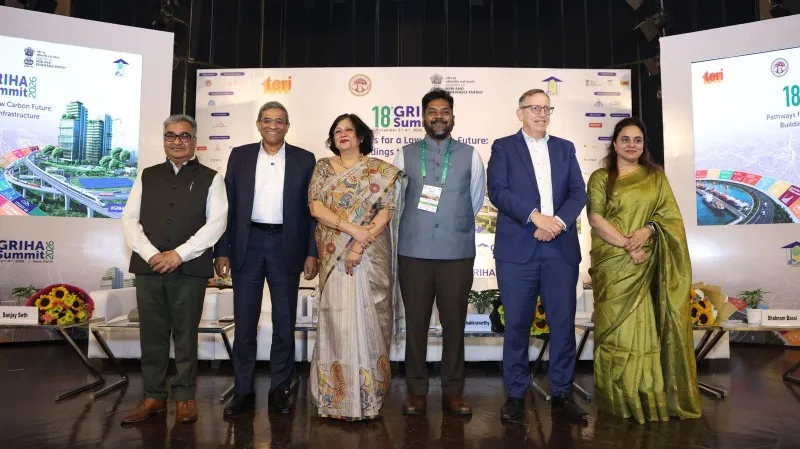
The 18th GRIHA Summit was inaugurated in New Delhi on 3 November 2026, bringing together policymakers, urban practitioners and industry representatives to discuss pathways towards a low-carbon built environment. Organised by the GRIHA Council under the theme 'Pathways for a Low-Carbon Future: Buildings to Infrastructure', the summit aims to strengthen collaboration and advance India's climate action priorities ahead of COP31.The summit provides a platform for stakeholders to exchange knowledge, showcase sustainable technologies and community initiatives, identify implementation gaps and promot..

Next Story
Real Estate

Signature Global scores 97.8 in GRESB assessment

Signature Global (India) Ltd has scored 97.8 out of 100 in the Global Real Estate Sustainability Benchmark (GRESB) Real Estate Assessment, improving from 84 in its debut assessment last year. The company has secured a 4-Star GRESB rating and ranked 12th globally in the Residential/Listed peer group, reflecting progress in its environmental, social and governance (ESG) performance.The company's strongest performance was recorded in the Reporting and Energy categories. It achieved a perfect score of 100 per cent in Reporting, supported by comprehensive disclosures, wider reporting coverage and a..

Advertisement

Subscribe to Our Newsletter

Get daily newsletters around different themes from Construction world.

STAY CONNECTED

Advertisement

SPECIAL OFFER
QR Code