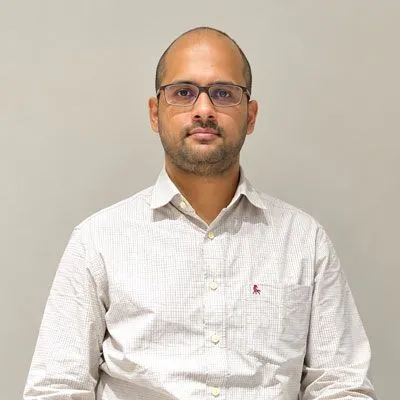
In an incisive conversation with CW, Iesh Dixit, CEO & Cofounder, Powerplay, unpacks how the platform is reshaping onsite execution, unlocking real-time visibility and redefining digital adoption across India’s construction sites.When Powerplay began digitising site-to-office workflows, which onsite challenges did you prioritise first, and what informed those choices?From the start, we were very clear on one thing: digitisation in construction can’t begin in the office. It has to begin onsite, with the people actually executing the work. So, the first problems we went after were daily work tracking, labour attendance and basic material movement. Not because they were complex or impressive problems, but because they were where things were most broken.On most sites, important information sat in notebooks, phone calls, or scattered WhatsApp messages. By the time anything reached the office, it was already delayed, partial or no longer useful. Site engineers were spending a big chunk of their day just translating reality into something that could be reported. We realised pretty early that unless onsite data capture was extremely simple, quick and dependable, even on low-end phones and unreliable networks, everything else would fall apart.Those decisions came almost entirely from time spent on sites. We focused on workflows that could fit naturally into daily execution, not add one more layer of reporting. Once that base was solid, the rest could be built on top.Powerplay’s shift from a top-down B2B model to a freemium, bottom-up approach marked a key inflection point. How did this reshape product design and user experience, and which adoption metrics best reflect onsite value creation?Moving to a bottom-up, freemium model changed how we thought about the product in a very fundamental way. In construction, you can’t force adoption through contracts. If the tool doesn’t help someone do their job every day, it won’t get used. Letting site teams start freely, without approvals or long onboarding cycles, meant the product had to earn its place.Design decisions became sharper. Every flow had to work without training. Every screen had to justify why it existed. The app needed to feel familiar, fast and dependable – more like a daily tool than an enterprise system. That pushed us toward mobile-first design, regional language support, offline reliability and workflows that matched how work actually happens onsite.The real indicators of value aren’t sign-ups. They’re behaviours. We look at how consistently teams log daily work, attendance and materials, and whether managers and owners keep coming back to that data for reviews. Today, about 20,000 site engineers use Powerplay on a daily basis to track the work on their site. When site data replaces Excel rework as the basis for follow-ups and decisions, that’s when we know value is being created on the ground.As an integrated platform covering projects, materials, labour, issues and reporting, how does Powerplay ensure that real-time site inputs translate into actionable insights for owners and project managers?The core issue in construction isn’t lack of data. It’s lack of usable signals. Powerplay is built to turn raw site inputs into something actionable by tying everything back to execution plans.Daily progress, attendance, material receipts and issues aren’t treated as isolated updates. They’re continuously mapped against planned quantities, schedules and workflows. That makes deviations visible early – whether a task is slipping, labour hasn’t mobilised as expected, or material consumption is going off-plan.Instead of looking back through reports, teams get a tighter feedback loop between planning and execution. Reviews move away from ‘What happened?’ toward ‘What needs attention today?’. That shift – from documentation to control – is where the real value shows up.Labour and payroll remain major friction points on Indian construction sites. How does Powerplay improve attendance accuracy and wage reliability, and what deployment practices are critical to achieving measurable impact?Labour management has always struggled with visibility and accountability. Attendance gets recorded inconsistently and wage disputes follow because there’s no shared, trusted record. Powerplay tackles this by making attendance capture a simple, daily site activity and tying it directly to project-level visibility. Records are standardised across sites and can be reviewed centrally, which creates a common reference point for internal checks, audits and discussions.But the technology alone isn’t enough. The deployments that work well always have clear ownership onsite, a consistent daily routine, and alignment with the head office on how the data will be used. When supervisors and labour see that accurate records actually reduce disputes and make payments more reliable, adoption tends to reinforce itself.With affordability central to mid-market adoption, how is Powerplay’s free-to-premium model structured and how do you typically demonstrate RoI during customer onboarding?Affordability isn’t just about pricing; it’s about trust. The free-to-premium model lets teams experience real operational value before committing. Core execution workflows can be adopted freely, which helps teams build habits without procurement getting in the way. Customers usually move to premium when they want more control: portfolio-level visibility, structured procurement and payables, deeper reporting and stronger governance. During onboarding, we spend less time walking through features and more time understanding execution gaps. Where information is leaking, where decisions are slowing down and where financial risk is creeping in because visibility is weak.RoI is delivered through very tangible results such as fewer material mismatches, fewer errors in payments, quicker resolution of issues and improved planning of cash flow. Even minor enhancements when rolled out in a number of projects will begin to make an impact.Could you outline one representative case study, detailing the project context, the manual or fragmented processes replaced, and the tangible productivity or cost gains achieved?A practical example is a mid-sized residential construction company catering to the Nagpur and Pune markets, having experience of over three decades with more than 35 successful projects under their belt. As they began managing multiple residential projects concurrently, it proved very difficult to track progress across a unified platform. Some kind of schedule existed, but external interference, such as permits and contractor mobilisation, pushed activities off by weeks. Progress update photos were actually being taken at the sites, but the head office relied entirely on Excel downloads to determine how consistently progress, attendance and photos were being updated. On the commercial side, material liabilities were hard to track and payables were sometimes created before actual receipts, increasing overpayment risk.Powerplay was introduced as a unified execution layer across tasks, labour attendance and procurement, while their existing accounting system remained in place. Schedules were broken down into daily tasks, so progress updates became part of routine work. Attendance was standardised across sites, creating one shared record. Procurement was aligned to a disciplined Indent → PO → GRN → Invoice → Payable flow, so payments were triggered only after verified deliveries. As a result, reviews shifted from chasing updates to resolving real execution issues. Material over-delivery or under-delivery became visible before payments were released, improving cost control and cash-flow planning. With one trusted system linking site execution and financial visibility, the company was able to scale without losing operational control.As global construction tech moves towards predictive analytics and automation, how do you see Powerplay’s roadmap evolving and which global practices are most relevant for Indian site conditions?Globally, construction technology is moving away from pure documentation and toward prediction, using data to anticipate delays, cost overruns and resource constraints. We see Powerplay moving in that direction as well, using execution data to surface early risk signals. At the same time, Indian sites have their own realities: high variability, fragmented subcontracting and constant on-ground uncertainty. Global practices can’t just be copied. The ones that matter most are those that strengthen execution discipline: standardised planning, daily control loops and early detection of deviations. Hence, we have deployed an easy and ready-to-use construction playbook.Our focus is on building intelligence on top of real, trusted execution data. Predictive systems only work if the foundation is strong. So, the priority stays the same: get execution right at scale first, then automate and predict with confidence.Quotes: “Digitisation in construction can’t begin in the office. It has to begin onsite, with the people actually executing the work.”“The real indicators of value aren’t sign-ups. They’re behaviours.”