+
Tata Steel: India’s Most Admired Construction Brand
Steel

Tata Steel: India’s Most Admired Construction Brand

Established in India as Asia’s first integrated private steel company in 1907, Tata Steel today is one of the most profitable and lowest cost producers of steel in the world, with captive iron ore mines and collieries located near our manufacturing facilities in Jamshedpur and Kalinganagar. The co...

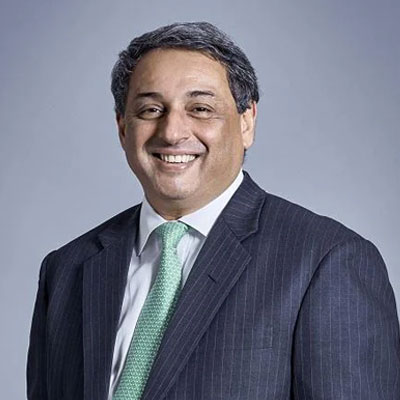
Established in India as Asia’s first integrated private steel company in 1907, Tata Steel today is one of the most profitable and lowest cost producers of steel in the world, with captive iron ore mines and collieries located near our manufacturing facilities in Jamshedpur and Kalinganagar. The company’s comprehensive portfolio of products and brands caters to multiple industries and segments. The first half of 2020-21 witnessed disruptions caused by the pandemic. However, the domestic steel demand improved in the second half with favourable policies, increased government spending and relaxed movement norms. The company managed to deliver broad-based, market-leading volume growth supported by its agile business model. Tata Steel Group delivered a strong performance in 2020-21. Consolidated steel production was at 28.54 million tonne while total deliveries stood at 28.50 million tonne, marginally below that of the previous year. The company's consolidated revenues increased by 5 per cent to Rs. 1.56 trillion, driven by the strong underlying performance of the company’s India operations and improved performance of their European operations. “Tata Steel over the past few years has invested in building its digital infrastructure, which helped tide over not only the initial phase of the pandemic but continues to provide us with the critical enabler for business analytics and automation. We will continue to invest significantly in digital across all business processes in the company. As a company, we are also focussing significantly on technology, and we have identified six technology leadership areas, along with the creation of enabling infrastructure to tap into the global technology and innovation ecosystem. We will continue to progress on the technology roadmap to create innovative products, invest in new processes and rework our business model in the future,” TV Narendran, CEO and Managing Director, Tata Steel, as quoted in the company’s Integrated Report & Annual Accounts 2020-21. Overall, the company achieved a consolidated EBITDA of Rs. 308.92 billion, driven by multiple factors including an improved market environment, a better product mix, continued cost takeout programmes and benefits derived through operational and financial efficiency. With disciplined capital allocation and tight working capital management, Tata Steel’s full-year free cash flow after CAPEX was Rs. 237.48 billion. In FY 2020-21, consolidated PAT for Tata Steel Group stood at Rs. 81.90 billion, significantly above the Rs. 11.72 billion, reported a year ago. We will continue to progress on the technology roadmap to create innovative products, invest in new processes and rework our business model in the future.

Related Stories

Gold Stories

Next Story
Infrastructure Urban

KONE Opens India's First Digital Experience Centre in Pune

KONE, a global elevator and escalator manufacturer, has inaugurated its first Digital Experience Centre (DEC) in India, located in Pune. The facility aims to showcase how artificial intelligence (AI), connectivity and data-driven technologies can enhance customer experiences and improve building operations.The centre was inaugurated by Jussi Herlin, Executive Vice Chair, KONE Corporation; Philippe Delorme, President and CEO, KONE; and Nandan Nilekani, Co-founder and Chairman of the Board, Infosys.Designed as an interactive customer environment, the facility demonstrates digital solutions cover..

Next Story
Infrastructure Urban

CII GreenCo Launches Circularity Guidelines for Indian Industry

The Confederation of Indian Industry (CII) GreenCo Council has launched the CII GreenCo Circularity Guidelines – Pilot Version at the 17th CII GreenCo Waste & Resource Management Summit 2026 in Chennai. The initiative aims to strengthen resource efficiency, waste reduction and circular economy practices across Indian manufacturing and process industries.The guidelines introduce a structured framework with circularity indices covering raw materials, consumables, packaging and other resource inputs. These indicators will help industries assess existing practices, identify opportunities to ..

Next Story
Infrastructure Energy

Global Electronics Association Launches IPC-1783-CO2E Standard

The Global Electronics Association has introduced IPC-1783-CO2E, a new international standard aimed at improving consistency, transparency and comparability in product carbon footprint reporting across the electronics manufacturing industry.The standard, titled International Standard for Data Collection and Reporting of CO2 Equivalent (CO2e) Emissions for the Electronics Manufacturing Supply Chain, provides industry-specific guidance for collecting, estimating and reporting carbon emissions data.With increasing regulatory requirements and customer expectations, electronics manufacturers face c..

Advertisement

Subscribe to Our Newsletter

Get daily newsletters around different themes from Construction world.

STAY CONNECTED

Advertisement

SPECIAL OFFER
QR Code