A New Perspective
Real Estate

A New Perspective

VENKAT SUBRAMANIAN offers a viewpoint for the construction industry that is in sync with the rapidly changing economic and ecological dynamics.

India is a hotbed of urban development today. Economic reform has already unleashed investment and growth, offering its citizens rich opportunities.

But with an emerging middle class and rapid urbanisation, the availability of land in developed cities is fast declining. Even Tier-II and Tier-III cities are growing rapidly, thereby contributing to scarcity of space and higher land costs. To overcome these challenges, the Indian real estate industry is going vertical. Authorities are also working to cater to this new trend and hence demand for vertical construction has increased as high-rise buildings provide for maximum utilisation of land while fulfilling the demands of a growing urban population. Urban expansion is happening at a speed that India has never seen before. Tall buildings are being constructed across the country with more emphasis on metro cities.

A new approach
The ever increasing need to construct new structures, especially in the housing segment, tends to put pressure on the usage of natural resources like sand and water, which have seen depletion over the years resulting in project delays and bans from the government. With a host of new technologies being utilised today, the solution could lie in the use lightweight products. In case of a typical tall building, the cost of the structure tends to be more than one-third of the overall construction cost. This cost can be reduced significantly by using lightweight building materials, especially for the non-load bearing parts such as walls. Lightweight materials also save on delivery and installation costs.

The gypsum plasterboard-based drywall system is a good example of a light-weight performance-based and sustainable wall system, which replaces conventional brick or block construction. These systems are finding rapid acceptance in India. Gypsum plasterboard-based drywall systems have been used in building construction across the world and are often the material of choice because of Gypsum´s unique properties. It has excellent insulation properties both thermal and acoustic and can offer good passive fire protection, moisture- and impact- resistance. These systems are easy-to-install yet durable over long periods.

Drywall system, as the name implies, is a dry construction technique (water-free construction), which is a combination of steel framing and Gypsum plasterboard wall surfaces. Drywalls have the following benefits:

  • Light weight systems - eight to ten times lighter than masonry systems.
  • Faster construction - three to four times faster.
  • Superior performance in terms of sound and thermal insulation.
  • Tested and certified systems to give between one to four hour fire rating.
  • Smooth, aesthetic and crack-free surfaces.
  • Flexibility in dividing spaces.
  • Green recyclable product.

All these benefits packaged in one system are a rare combination, giving architects and builders the flexibility in designing spaces of the future. Over 80 per cent of all interior construction in the developed markets across all applications (commercial to residential) is with drywalls. This type of construction is catching on in India and will be the biggest change in the construction technology.

Leading residential tall buildings in India such as the Lodha World Towers in Mumbai, Panchashil Trump Towers in Pune and IREO´s Skyon project in Gurgaon are using Gypsum plasterboard drywalls. Today, drywall systems have become the preferred solution for all the leading hotels, hospitals and educational institutions.

Technology for interiors
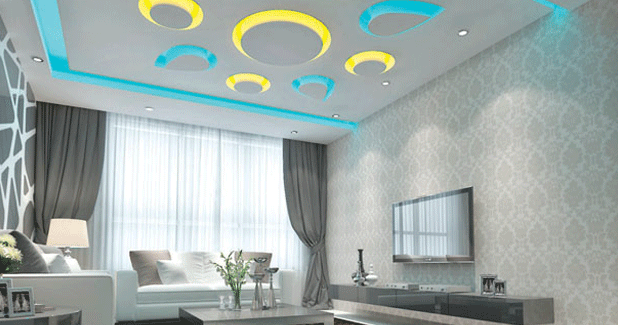
While drywalls are cutting-edge technology for faster and high performance interior construction, false ceilings have been Gyproc´s forte since decades. India´s home décor market is on a high-paced growth considering the increased disposable income of families, and the exposure to high street living has created a demand for branded options of décor that can mould a unique identity for individuals. With the consumer segment opening up to home décor in a big way, Gyproc now helps the quality conscious home owners to get a new dimension for interiors with plasterboard false ceilings.

We created a TV commercial to educate consumers about our products. In addition to the TV advertisement, an extensive digital media campaign was executed to enhance consumer knowledge on the category and generate leads and visits to the website. Gyproc also came up with a collection of designs based on the theme ´Amazing Ceiling Designs´ to provide consumers different ideas on how to enhance the look of their homes using false ceilings. With the advanced solutions providing performance and aesthetics, Gyproc opens up an array of possibilities for modern construction. It is a preferred choice for interior construction for both professional and home owners, and the company is bringing achhe din to the construction sector in India.

About the Author:
Venkat Subramanian, Managing Director, Saint-Gobain Gyproc, is a B-Tech from IIT-Chennai with a work experience of over 30 years. Prior to this, he was managing director, Saint Gobain Vetrotex. He also worked with Unilever for 21 years holding multiple positions and finally resigned as the managing director of a Unilever promoted company in India.


VENKAT SUBRAMANIAN offers a viewpoint for the construction industry that is in sync with the rapidly changing economic and ecological dynamics. India is a hotbed of urban development today. Economic reform has already unleashed investment and growth, offering its citizens rich opportunities. But with an emerging middle class and rapid urbanisation, the availability of land in developed cities is fast declining. Even Tier-II and Tier-III cities are growing rapidly, thereby contributing to scarcity of space and higher land costs. To overcome these challenges, the Indian real estate industry is going vertical. Authorities are also working to cater to this new trend and hence demand for vertical construction has increased as high-rise buildings provide for maximum utilisation of land while fulfilling the demands of a growing urban population. Urban expansion is happening at a speed that India has never seen before. Tall buildings are being constructed across the country with more emphasis on metro cities. A new approach The ever increasing need to construct new structures, especially in the housing segment, tends to put pressure on the usage of natural resources like sand and water, which have seen depletion over the years resulting in project delays and bans from the government. With a host of new technologies being utilised today, the solution could lie in the use lightweight products. In case of a typical tall building, the cost of the structure tends to be more than one-third of the overall construction cost. This cost can be reduced significantly by using lightweight building materials, especially for the non-load bearing parts such as walls. Lightweight materials also save on delivery and installation costs. The gypsum plasterboard-based drywall system is a good example of a light-weight performance-based and sustainable wall system, which replaces conventional brick or block construction. These systems are finding rapid acceptance in India. Gypsum plasterboard-based drywall systems have been used in building construction across the world and are often the material of choice because of Gypsum´s unique properties. It has excellent insulation properties both thermal and acoustic and can offer good passive fire protection, moisture- and impact- resistance. These systems are easy-to-install yet durable over long periods. Drywall system, as the name implies, is a dry construction technique (water-free construction), which is a combination of steel framing and Gypsum plasterboard wall surfaces. Drywalls have the following benefits: Light weight systems - eight to ten times lighter than masonry systems. Faster construction - three to four times faster. Superior performance in terms of sound and thermal insulation. Tested and certified systems to give between one to four hour fire rating. Smooth, aesthetic and crack-free surfaces. Flexibility in dividing spaces. Green recyclable product. All these benefits packaged in one system are a rare combination, giving architects and builders the flexibility in designing spaces of the future. Over 80 per cent of all interior construction in the developed markets across all applications (commercial to residential) is with drywalls. This type of construction is catching on in India and will be the biggest change in the construction technology. Leading residential tall buildings in India such as the Lodha World Towers in Mumbai, Panchashil Trump Towers in Pune and IREO´s Skyon project in Gurgaon are using Gypsum plasterboard drywalls. Today, drywall systems have become the preferred solution for all the leading hotels, hospitals and educational institutions. Technology for interiors While drywalls are cutting-edge technology for faster and high performance interior construction, false ceilings have been Gyproc´s forte since decades. India´s home décor market is on a high-paced growth considering the increased disposable income of families, and the exposure to high street living has created a demand for branded options of décor that can mould a unique identity for individuals. With the consumer segment opening up to home décor in a big way, Gyproc now helps the quality conscious home owners to get a new dimension for interiors with plasterboard false ceilings. We created a TV commercial to educate consumers about our products. In addition to the TV advertisement, an extensive digital media campaign was executed to enhance consumer knowledge on the category and generate leads and visits to the website. Gyproc also came up with a collection of designs based on the theme ´Amazing Ceiling Designs´ to provide consumers different ideas on how to enhance the look of their homes using false ceilings. With the advanced solutions providing performance and aesthetics, Gyproc opens up an array of possibilities for modern construction. It is a preferred choice for interior construction for both professional and home owners, and the company is bringing achhe din to the construction sector in India. About the Author: Venkat Subramanian, Managing Director, Saint-Gobain Gyproc, is a B-Tech from IIT-Chennai with a work experience of over 30 years. Prior to this, he was managing director, Saint Gobain Vetrotex. He also worked with Unilever for 21 years holding multiple positions and finally resigned as the managing director of a Unilever promoted company in India.
Next Story
Real Estate

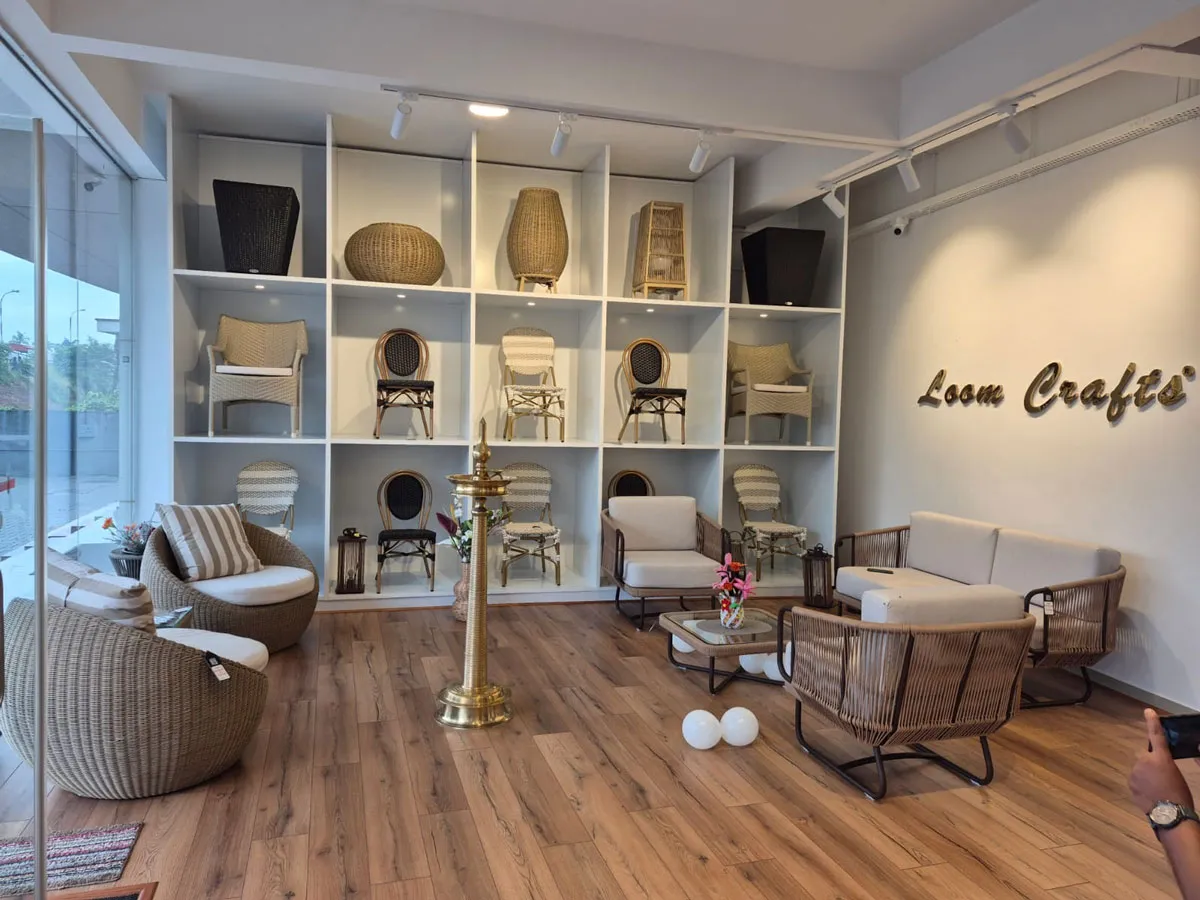
Loomcraft Enters South India with Kerala Store Launch

Loomcraft has launched its exclusive store in Kerala, marking its entry into South India and a key step in its nationwide expansion strategy. The move targets a region driven by tourism and premium real estate demand, where outdoor spaces play a central role in hospitality and residential experiences.Kerala’s growing base of luxury resorts, boutique hotels, villas and gated communities has created strong demand for specialised outdoor furniture. However, the region has remained underserved, with buyers relying on imports or generic products not suited to humid, coastal and monsoon-heavy cond..

Next Story
Building Material

Mild Steel Prices Seen Rising to Rs 61,000 Per Tonne

Mild steel prices in India, currently around Rs 58,000 per tonne, are expected to rise to nearly Rs 61,000 per tonne in April, indicating an increase of about Rs 3,000 per tonne. The anticipated rise reflects structural pressures driven by geopolitical tensions, energy constraints and limited raw material availability.Ongoing global conflict has disrupted energy markets, leading to LNG shortages that are affecting domestic steel production. Small and mid-sized manufacturers, particularly those dependent on gas-based processes, are witnessing production cuts due to constrained energy supply, re..

Next Story
Infrastructure Urban

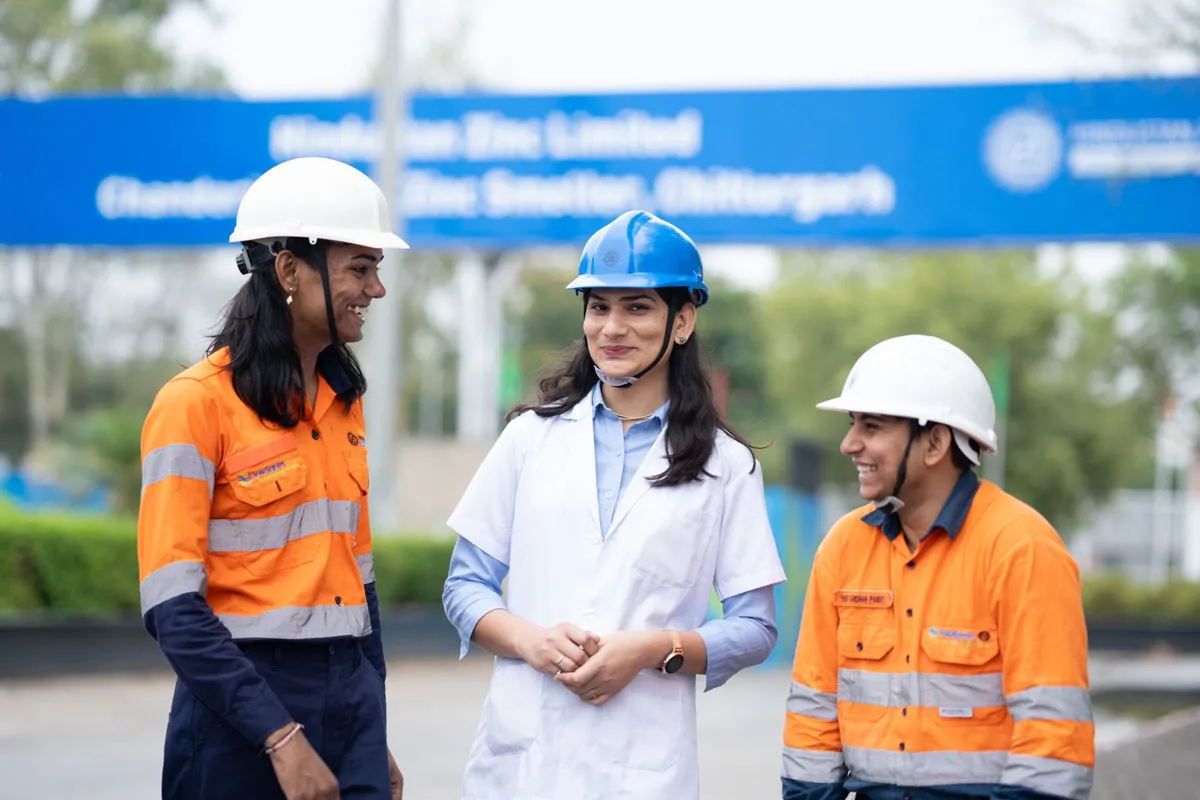
Vedanta Expands Transgender Workforce to 75 Employees

Vedanta has strengthened its commitment to workplace inclusion by employing 75 transgender individuals across its businesses, including Vedanta Aluminium, Hindustan Zinc, Sesa Goa, FACOR and Cairn Oil & Gas. The initiative reflects sustained hiring efforts since 2022 to build equitable opportunities across operations, corporate and technical roles.Transgender employees are engaged in functions such as operations, finance, logistics, HR, CSR, healthcare and security, with provisions for internal mobility to support career progression. The company has implemented structured policies, includi..

Advertisement

Subscribe to Our Newsletter

Get daily newsletters around different themes from Construction world.

STAY CONNECTED

Advertisement

Advertisement

Advertisement