Exploitation of Indian construction workers in the Middle East: Case Studies
Real Estate

Exploitation of Indian construction workers in the Middle East: Case Studies

CASE 4: Shabby living conditions

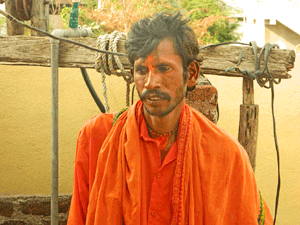
Tirupathy, 38, worked for 10 years in Dubai, where he was recruited by Arabtec Construction Company, a leading company in the UAE. Despite the company's stature, it failed to provide construction workers even basic facilities. All the workers were put up in a labour camp where conditions were unhygienic. They were forced to drink salt water; those who resisted would be forced to spend the day without water and food. Despite the extreme weather conditions, there was no air-conditioning or cooling in the camp. Because of these shabby living conditions, Tirupathy was hospitalised for a week. As the company refused to pay, he had to meet all the expenses himself.

FACT: On an average, around 20 Indian migrants died per month in 2013. Around 27 died in the hottest month, August.

CASE 5: Health and safety

Thirty-seven year-old Chandra worked in Kuwait for six years. While working on the third floor at an airport site, he fell down and broke his leg. The contractor had not provided any safety harness and no safety precautions were followed on site. After the accident, the supervisor asked him to leave the site. Chandra returned to the labour camp and was in a lot of pain. He had damaged his bone and needed a steel rod placed inside his leg. When the contractors refused to pay, his friends helped with funds for hospitalisation and treatment. In fact, the contractor threatened Chandra with life in jail if he dared to file a complaint against him.

To read full article...Click here

CASE 4: Shabby living conditions Tirupathy, 38, worked for 10 years in Dubai, where he was recruited by Arabtec Construction Company, a leading company in the UAE. Despite the company's stature, it failed to provide construction workers even basic facilities. All the workers were put up in a labour camp where conditions were unhygienic. They were forced to drink salt water; those who resisted would be forced to spend the day without water and food. Despite the extreme weather conditions, there was no air-conditioning or cooling in the camp. Because of these shabby living conditions, Tirupathy was hospitalised for a week. As the company refused to pay, he had to meet all the expenses himself. FACT: On an average, around 20 Indian migrants died per month in 2013. Around 27 died in the hottest month, August. CASE 5: Health and safety Thirty-seven year-old Chandra worked in Kuwait for six years. While working on the third floor at an airport site, he fell down and broke his leg. The contractor had not provided any safety harness and no safety precautions were followed on site. After the accident, the supervisor asked him to leave the site. Chandra returned to the labour camp and was in a lot of pain. He had damaged his bone and needed a steel rod placed inside his leg. When the contractors refused to pay, his friends helped with funds for hospitalisation and treatment. In fact, the contractor threatened Chandra with life in jail if he dared to file a complaint against him.To read full article...Click here

Next Story
Real Estate

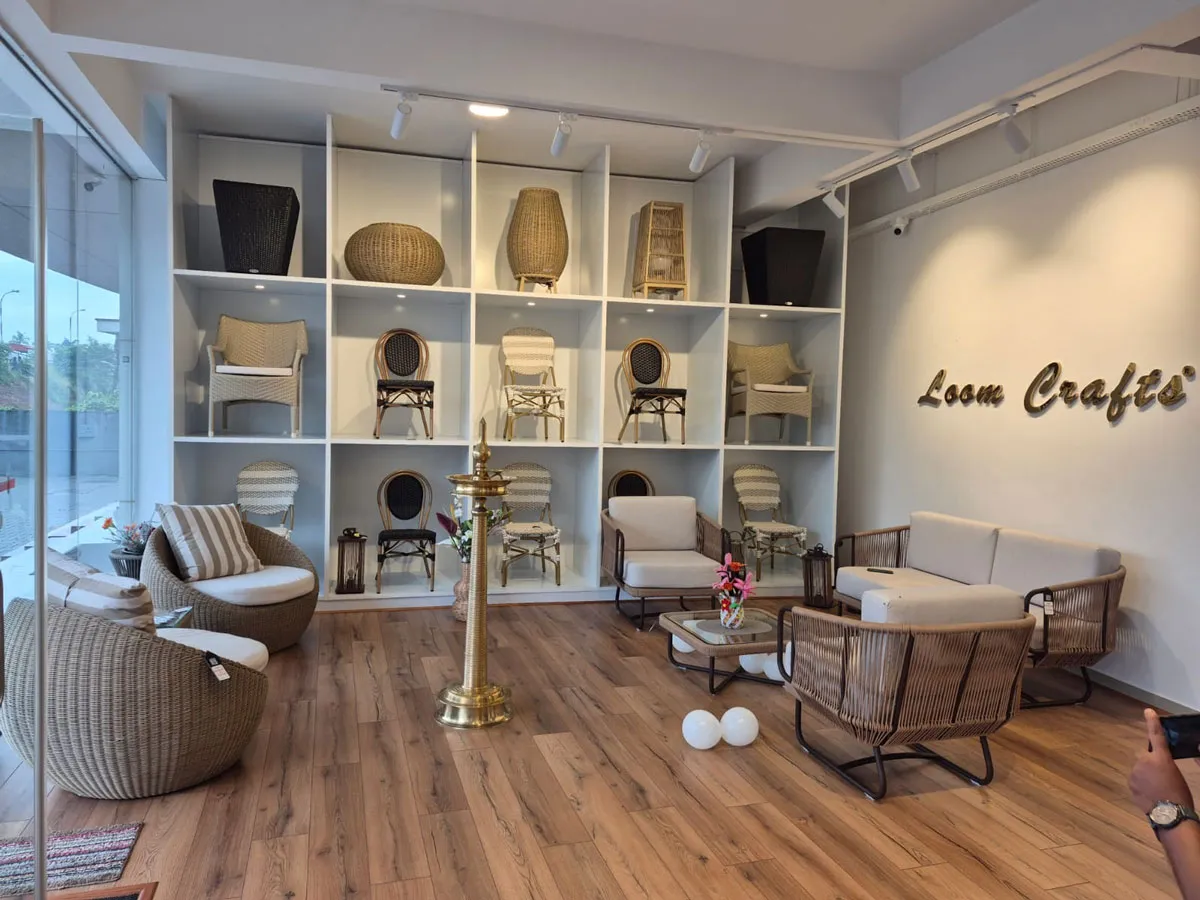
Loomcraft Enters South India with Kerala Store Launch

Loomcraft has launched its exclusive store in Kerala, marking its entry into South India and a key step in its nationwide expansion strategy. The move targets a region driven by tourism and premium real estate demand, where outdoor spaces play a central role in hospitality and residential experiences.Kerala’s growing base of luxury resorts, boutique hotels, villas and gated communities has created strong demand for specialised outdoor furniture. However, the region has remained underserved, with buyers relying on imports or generic products not suited to humid, coastal and monsoon-heavy cond..

Next Story
Building Material

Mild Steel Prices Seen Rising to Rs 61,000 Per Tonne

Mild steel prices in India, currently around Rs 58,000 per tonne, are expected to rise to nearly Rs 61,000 per tonne in April, indicating an increase of about Rs 3,000 per tonne. The anticipated rise reflects structural pressures driven by geopolitical tensions, energy constraints and limited raw material availability.Ongoing global conflict has disrupted energy markets, leading to LNG shortages that are affecting domestic steel production. Small and mid-sized manufacturers, particularly those dependent on gas-based processes, are witnessing production cuts due to constrained energy supply, re..
Next Story
Infrastructure Urban

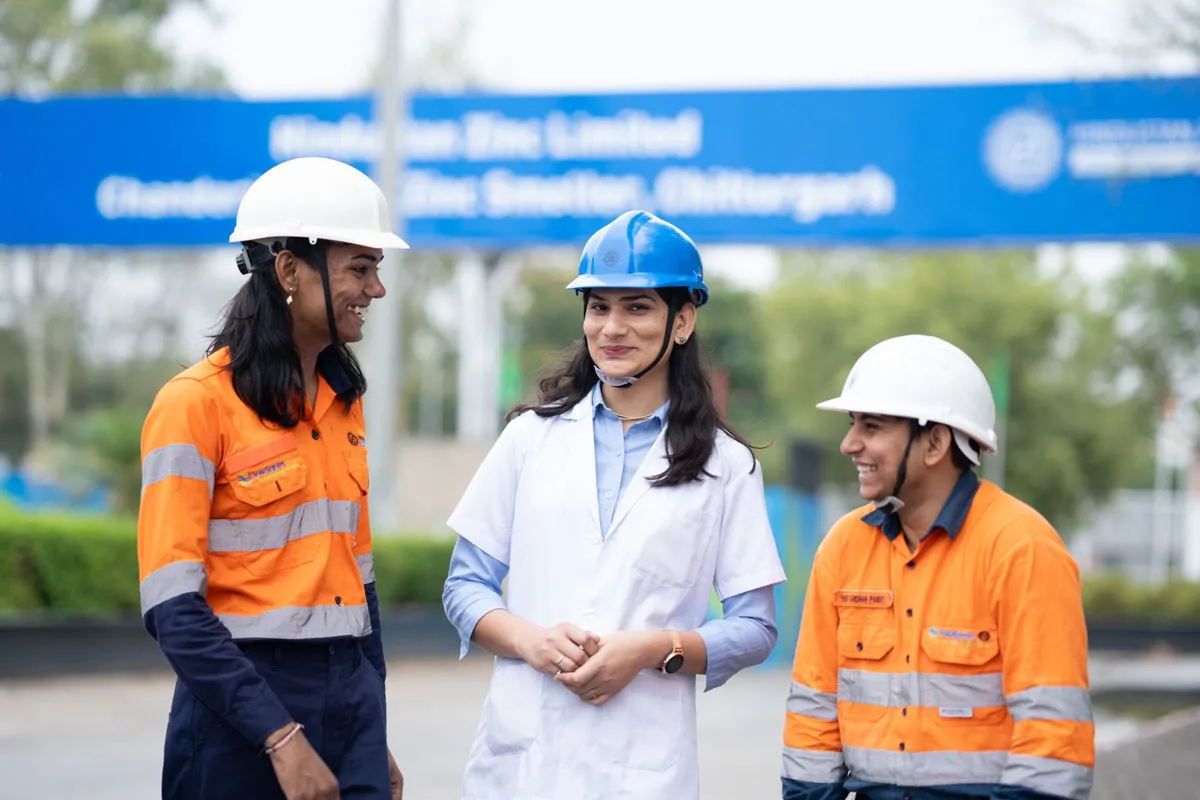
Vedanta Expands Transgender Workforce to 75 Employees

Vedanta has strengthened its commitment to workplace inclusion by employing 75 transgender individuals across its businesses, including Vedanta Aluminium, Hindustan Zinc, Sesa Goa, FACOR and Cairn Oil & Gas. The initiative reflects sustained hiring efforts since 2022 to build equitable opportunities across operations, corporate and technical roles.Transgender employees are engaged in functions such as operations, finance, logistics, HR, CSR, healthcare and security, with provisions for internal mobility to support career progression. The company has implemented structured policies, includi..

Advertisement

Subscribe to Our Newsletter

Get daily newsletters around different themes from Construction world.

STAY CONNECTED

Advertisement

Advertisement

Advertisement