We are looking to invest Rs 600-700 million in construction equipment
Real Estate

We are looking to invest Rs 600-700 million in construction equipment

Sumadhura Group, a leading realty company in South India, has carved a niche for itself and fulfilled the aspirations of many home buyers by providing impeccable architecture, cutting-edge design and top-notch quality at an affordable price. With a portfolio of 46 projects, including 42 world-class residential and four commercial projects in Bengaluru and Hyderabad, the company has big plans going forward. Madhusudhan G, Chairman and Managing Director, Sumadhura Group, shares more in conversation with DIKSHA JAWLE.

How has Andhra Pradesh and Telangana’s ease of doing business and Hyderabad becoming a global commercial hub helped the company in executing projects?

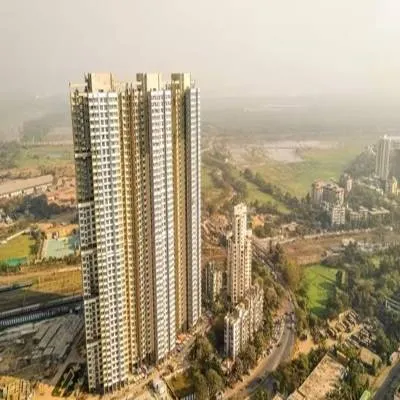
For the past five years, the proactive and industry-friendly government and its measures in Telangana and Andhra Pradesh have resulted in a positive atmosphere and transformed Hyderabad’s infrastructure and the real-estate market. The overall sentiment of buyers, including NRIs across the world, has resulted in positive growth, both in volumes and price appreciation, in residential and commercial real estate. This conducive atmosphere has further resulted in good sales and given us the confidence to plan the tallest residential building of Hyderabad at Nanakramguda, which is about to commence in the next quarter. 

How much of your business is derived from the affordable housing segment?

As of now, about 20 per cent of our revenue is derived from affordable projects; going forward, we expect it to increase to 35-40 per cent within 12-18 months. We have identified a few land parcels to launch affordable projects as well. 

How do you think REIT will benefit the real-estate sector? And is the company planning to opt for it?

REIT has brought India’s real-estate market into the big league and we will see new capital coming in. It’s important for a proper cash flow in the system. REIT brings a lot of credibility and opens up a big opportunity for foreign investors. As of now, properties under REIT in India will include commercial assets, primarily office spaces that can generate steady rental income. We are also foraying into the commercial real-estate sector and will definitely explore more options in the future.

What are your views on the cutting down of GST rates? How will this benefit your company?

The approved reduction in the levy on under-construction homes and the raised threshold for affordable housing by the GST Council is largely seen as a welcome move by the industry, especially for the home-buyers’ segment. This move will certainly make housing affordable for the middle class, neo middle class and aspirational class. However, to fulfil the Government's mission of Housing for All by 2022, the ITC (input tax credit) should continue or else it is likely to put the entire tax burden on developers, hitting real estate further. Also, the latest GST structure certainly favours the developer community by making it flexible to choose between old GST rates with ITC or the new reduced GST rate of 5 per cent without ITC. Also, the new tax structure for real estate solves the transition issues on ITC for ongoing projects, which is a big relief for developers.

What is your procurement requirement and annual investment in construction equipment? 

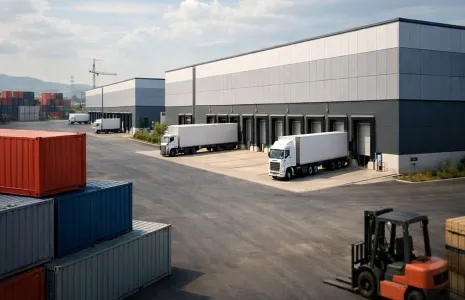
As Sumadhura is about to commence projects comprising over 9 million sq ft within the next six months, we have huge requirements of construction equipment such as concrete batching plants, tower cranes, weigh bridges, concrete boom placers, JCB/tractors, transit mixers, etc. Major construction materials include reinforced steel, cement/GGBS, structural steel, formwork (aluminium form, plastic forms, plywood, table form) and toughened/treated glass for facade in commercial projects. This year, we are looking to invest around Rs 600-700 million in construction equipment.

What specific technology are you incorporating in construction works? 

The homes built by Sumadhura are equipped with home automation, water meters, piped gas connections and rainwater utilisation schemes. Aluminium formwork and plastic formwork are replacing convention plywood shuttering formwork for our current projects, offering superior quality of finish, optimisation in construction timeline and less manpower compared to conventional operations. The construction of walls is done with RCC shear wall by avoiding the internal and external plaster usage of natural sand and M sand. Using of curing compound additive for curing of RCC will drastically reduce consumption of water during construction.

Similarly, what cost-effective building materials are you using in your projects?

Cost-effective materials used include AAC blocks (for optimised structural design), sun-ban glasses for windows to reduce heat, LED lights in common areas for economic power consumption and GGBS for partial replacement of cement to produce concrete.

Tell us about the technology used in the company’s waste-to-energy drive. 

Sumadhura Group has 13 residential projects spread across Whitefield over a 5-8 km radius, which house over 3,000 families. We wanted to invest in viable integrated solid waste management solutions that would lead to reduced maintenance costs to associations and encourage the community. As part of the DISPRED model, Sumadhura has set up standalone anaerobic composters (ACs) at each residential project. The ACs convert wet waste into a stable homogeneous acidified slurry through enzymatic hydrolysis. The key advantage of the ACs is that they need to be drained out only once or twice a week, bringing down the logistics cost by one-third to one-seventh. A dedicated slurry vehicle sucks out the AC slurry from the main road, without actually entering the apartment complex, thus causing no inconvenience to the apartments. Right now, we are collecting ACs slurry from over 1,260 units, and propose to collect slurry from another 1,700 apartments within two months; all together pooled by the slurry vehicle and pumped into a centralised biogas plant (gas generation unit), which is housed in front of Sumadhura Eden Garden. 

What safety measures are undertaken during the execution of these projects?

Safety measures such as maintaining proper signage, providing workers and visitors with personal protective equipment (PPE), providing regular safety awareness training, safety induction programme, promoting and enforcing good safety practices and maintaining hygiene in labour colonies are observed.

What are the challenges you foresee and what is your strategy to overcome them?

For the past decade and past five years, respectively, Bengaluru and Hyderabad have turned out to be the hotbeds of real-estate activity; incidentally, Sumadhura’s volumes are continuously growing in the same period. Our focused approach in executing projects on time with best quality has resulted in us gaining customer confidence and market share. 

Please share your target revenues.

Sumadhura achieved Rs 3 billion in revenue in 2018-19 and we are targeting Rs 6 billion in 2019-20.

Make box
Year of establishment: Incorporation of Sumadhura Infracon in Bengaluru in 2012. In December 2003, Sumadhura Constructions was incorporated in Hyderabad as developer.
Top management: Madhusudhan G, Chairman and Managing Director; Ramarao Kalakuntala, Vice-Chairman; Bharat Kumar Kandukuri, Director, Operations; Naveen Kumar Gunda, Director, Constructions
Segments of operations: Residential (luxury, mid-market, affordable) and commercial real estate
Regions of operations: Bengaluru and Hyderabad
No. of employees: 400+
No. of completed residential projects: 39
No. of ongoing residential projects: 4
No. of completed commercial projects: 4
No. of upcoming projects: 5 (1 commercial, 4 residential)
Building contractors: Not applicable (in-house construction)
Turnover: Rs 3.25 billion.


Sumadhura Group, a leading realty company in South India, has carved a niche for itself and fulfilled the aspirations of many home buyers by providing impeccable architecture, cutting-edge design and top-notch quality at an affordable price. With a portfolio of 46 projects, including 42 world-class residential and four commercial projects in Bengaluru and Hyderabad, the company has big plans going forward. Madhusudhan G, Chairman and Managing Director, Sumadhura Group, shares more in conversation with DIKSHA JAWLE.How has Andhra Pradesh and Telangana’s ease of doing business and Hyderabad becoming a global commercial hub helped the company in executing projects?For the past five years, the proactive and industry-friendly government and its measures in Telangana and Andhra Pradesh have resulted in a positive atmosphere and transformed Hyderabad’s infrastructure and the real-estate market. The overall sentiment of buyers, including NRIs across the world, has resulted in positive growth, both in volumes and price appreciation, in residential and commercial real estate. This conducive atmosphere has further resulted in good sales and given us the confidence to plan the tallest residential building of Hyderabad at Nanakramguda, which is about to commence in the next quarter. How much of your business is derived from the affordable housing segment?As of now, about 20 per cent of our revenue is derived from affordable projects; going forward, we expect it to increase to 35-40 per cent within 12-18 months. We have identified a few land parcels to launch affordable projects as well. How do you think REIT will benefit the real-estate sector? And is the company planning to opt for it?REIT has brought India’s real-estate market into the big league and we will see new capital coming in. It’s important for a proper cash flow in the system. REIT brings a lot of credibility and opens up a big opportunity for foreign investors. As of now, properties under REIT in India will include commercial assets, primarily office spaces that can generate steady rental income. We are also foraying into the commercial real-estate sector and will definitely explore more options in the future.What are your views on the cutting down of GST rates? How will this benefit your company?The approved reduction in the levy on under-construction homes and the raised threshold for affordable housing by the GST Council is largely seen as a welcome move by the industry, especially for the home-buyers’ segment. This move will certainly make housing affordable for the middle class, neo middle class and aspirational class. However, to fulfil the Government's mission of Housing for All by 2022, the ITC (input tax credit) should continue or else it is likely to put the entire tax burden on developers, hitting real estate further. Also, the latest GST structure certainly favours the developer community by making it flexible to choose between old GST rates with ITC or the new reduced GST rate of 5 per cent without ITC. Also, the new tax structure for real estate solves the transition issues on ITC for ongoing projects, which is a big relief for developers.What is your procurement requirement and annual investment in construction equipment? As Sumadhura is about to commence projects comprising over 9 million sq ft within the next six months, we have huge requirements of construction equipment such as concrete batching plants, tower cranes, weigh bridges, concrete boom placers, JCB/tractors, transit mixers, etc. Major construction materials include reinforced steel, cement/GGBS, structural steel, formwork (aluminium form, plastic forms, plywood, table form) and toughened/treated glass for facade in commercial projects. This year, we are looking to invest around Rs 600-700 million in construction equipment.What specific technology are you incorporating in construction works? The homes built by Sumadhura are equipped with home automation, water meters, piped gas connections and rainwater utilisation schemes. Aluminium formwork and plastic formwork are replacing convention plywood shuttering formwork for our current projects, offering superior quality of finish, optimisation in construction timeline and less manpower compared to conventional operations. The construction of walls is done with RCC shear wall by avoiding the internal and external plaster usage of natural sand and M sand. Using of curing compound additive for curing of RCC will drastically reduce consumption of water during construction.Similarly, what cost-effective building materials are you using in your projects?Cost-effective materials used include AAC blocks (for optimised structural design), sun-ban glasses for windows to reduce heat, LED lights in common areas for economic power consumption and GGBS for partial replacement of cement to produce concrete.Tell us about the technology used in the company’s waste-to-energy drive. Sumadhura Group has 13 residential projects spread across Whitefield over a 5-8 km radius, which house over 3,000 families. We wanted to invest in viable integrated solid waste management solutions that would lead to reduced maintenance costs to associations and encourage the community. As part of the DISPRED model, Sumadhura has set up standalone anaerobic composters (ACs) at each residential project. The ACs convert wet waste into a stable homogeneous acidified slurry through enzymatic hydrolysis. The key advantage of the ACs is that they need to be drained out only once or twice a week, bringing down the logistics cost by one-third to one-seventh. A dedicated slurry vehicle sucks out the AC slurry from the main road, without actually entering the apartment complex, thus causing no inconvenience to the apartments. Right now, we are collecting ACs slurry from over 1,260 units, and propose to collect slurry from another 1,700 apartments within two months; all together pooled by the slurry vehicle and pumped into a centralised biogas plant (gas generation unit), which is housed in front of Sumadhura Eden Garden. What safety measures are undertaken during the execution of these projects?Safety measures such as maintaining proper signage, providing workers and visitors with personal protective equipment (PPE), providing regular safety awareness training, safety induction programme, promoting and enforcing good safety practices and maintaining hygiene in labour colonies are observed.What are the challenges you foresee and what is your strategy to overcome them?For the past decade and past five years, respectively, Bengaluru and Hyderabad have turned out to be the hotbeds of real-estate activity; incidentally, Sumadhura’s volumes are continuously growing in the same period. Our focused approach in executing projects on time with best quality has resulted in us gaining customer confidence and market share. Please share your target revenues.Sumadhura achieved Rs 3 billion in revenue in 2018-19 and we are targeting Rs 6 billion in 2019-20.Make boxYear of establishment: Incorporation of Sumadhura Infracon in Bengaluru in 2012. In December 2003, Sumadhura Constructions was incorporated in Hyderabad as developer.Top management: Madhusudhan G, Chairman and Managing Director; Ramarao Kalakuntala, Vice-Chairman; Bharat Kumar Kandukuri, Director, Operations; Naveen Kumar Gunda, Director, ConstructionsSegments of operations: Residential (luxury, mid-market, affordable) and commercial real estateRegions of operations: Bengaluru and HyderabadNo. of employees: 400+No. of completed residential projects: 39No. of ongoing residential projects: 4No. of completed commercial projects: 4No. of upcoming projects: 5 (1 commercial, 4 residential)Building contractors: Not applicable (in-house construction)Turnover: Rs 3.25 billion.

Next Story
Real Estate

Indian real estate attracts USD 1.4 bn institutional investments in Q1 2026: Vestian

Institutional investments in India’s real estate sector touched USD 1.4 billion in Q1 2026, marking the highest first-quarter inflow since 2022, according to Vestian. While investments fell 62 per cent quarter-on-quarter due to an exceptionally high base in the previous quarter, they rose 74 per cent compared to the same period last year, reflecting sustained investor confidence despite rising geopolitical and macroeconomic challenges.Commercial real estate remained the key driver of investment activity during the quarter, accounting for 80 per cent of total inflows, sharply higher than 38 p..

Next Story
Infrastructure Transport

VECV crosses 1 lakh annual vehicle sales milestone in FY26

VE Commercial Vehicles (VECV), a joint venture between Volvo Group and Eicher Motors, has surpassed the 1 lakh annual sales mark in FY 2025–26, recording its highest-ever commercial vehicle sales performance. The company said it sold more than 100,000 vehicles during the year, marking a major milestone aligned with the original vision of the Volvo–Eicher joint venture.The strong performance was supported by demand across categories. Light and Medium Duty (LMD) trucks contributed 47,789 units, accounting for 46.1 per cent of total sales. Heavy Duty (HD) trucks recorded 26,867 units (25.9 pe..

Next Story
Technology

Rodic Digital & Advisory partners SatSure to deploy EO intelligence in public sector

Rodic Digital & Advisory (RDA), the strategic advisory and digital transformation arm of Rodic Consultants, has signed a strategic cooperation Memorandum of Understanding (MoU) with SatSure to jointly pursue opportunities in India’s public sector. The collaboration aims to integrate high-resolution Earth Observation (EO) data and geospatial AI into government workflows to strengthen monitoring, compliance, and operational decision-making across key sectors.The partnership combines SatSure’s Earth intelligence capabilities with RDA’s expertise in government digital transformation and ..

Advertisement

Subscribe to Our Newsletter

Get daily newsletters around different themes from Construction world.

STAY CONNECTED

Advertisement

Advertisement

Advertisement