Arvind SmartSpaces Signs First Redevelopment Project In Santacruz
Real Estate

Arvind SmartSpaces Signs First Redevelopment Project In Santacruz

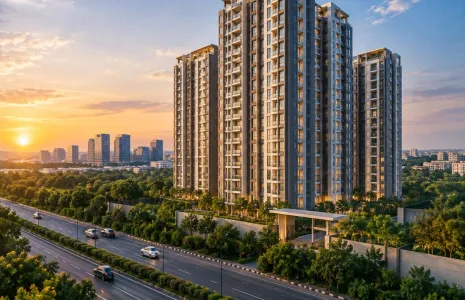
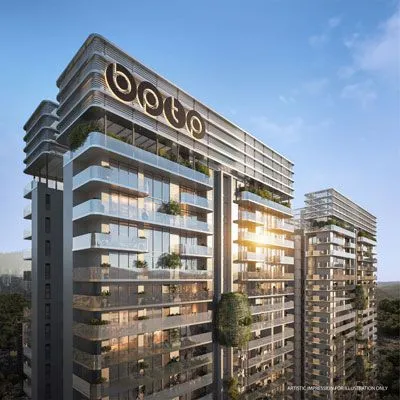
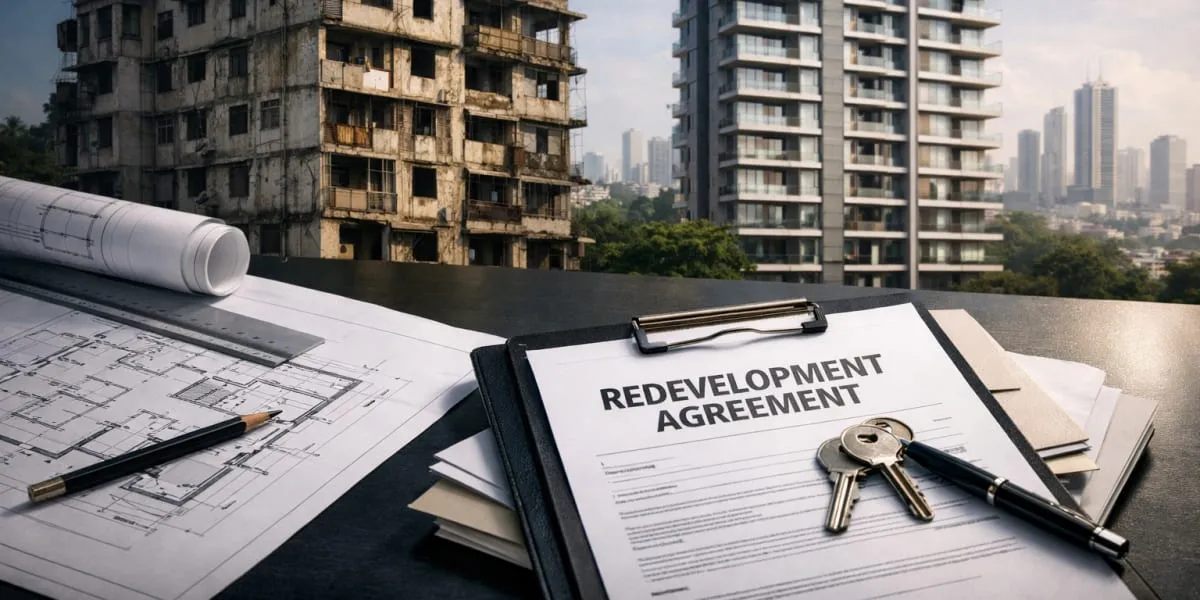
Arvind SmartSpaces has signed its first redevelopment project in Santacruz, a neighbourhood in Mumbai, marking an entry into the city’s rehabilitation segment. The transaction carries a revenue potential of Rs three billion (bn), reflecting the company’s push into urban redevelopment. The project is described as the firm’s initial redevelopment assignment in the Mumbai portfolio and aligns with its expansion strategy. The announcement signals a move to capitalise on demand for modern housing in established suburbs.

Arvind SmartSpaces, the real estate arm of its parent group, has pursued projects that focus on redevelopment and infill development, leveraging existing urban land. The company plans to engage with resident associations, local authorities and consultants to move the project through statutory approvals and design finalisation. Revenue recognition is expected to follow project milestones and handovers, contributing to future top line growth. The initiative is consistent with broader market trends favouring redevelopment of ageing housing stock in metropolitan centres.

Analysts expect that securing a redevelopment project in Santacruz will help the company build a pipeline of similar opportunities across Mumbai and other major cities. The deal adds a sizeable project to Arvind SmartSpaces' book and could underpin medium term revenue visibility as construction and handover progress. The company will need to manage funding, construction timelines and stakeholder coordination to realise the Rs three bn potential. Market observers note that successful execution of such projects often shapes reputation and access to future mandates.

Redevelopment continues to be a key element of urban renewal policies and offers established developers a route to grow with limited land acquisition. Arvind SmartSpaces' first Mumbai assignment positions the company to pursue additional redevelopment mandates while aligning with municipal priorities. Delivery will depend on approvals, design resolution and market absorption of completed units.

Arvind SmartSpaces has signed its first redevelopment project in Santacruz, a neighbourhood in Mumbai, marking an entry into the city’s rehabilitation segment. The transaction carries a revenue potential of Rs three billion (bn), reflecting the company’s push into urban redevelopment. The project is described as the firm’s initial redevelopment assignment in the Mumbai portfolio and aligns with its expansion strategy. The announcement signals a move to capitalise on demand for modern housing in established suburbs. Arvind SmartSpaces, the real estate arm of its parent group, has pursued projects that focus on redevelopment and infill development, leveraging existing urban land. The company plans to engage with resident associations, local authorities and consultants to move the project through statutory approvals and design finalisation. Revenue recognition is expected to follow project milestones and handovers, contributing to future top line growth. The initiative is consistent with broader market trends favouring redevelopment of ageing housing stock in metropolitan centres. Analysts expect that securing a redevelopment project in Santacruz will help the company build a pipeline of similar opportunities across Mumbai and other major cities. The deal adds a sizeable project to Arvind SmartSpaces' book and could underpin medium term revenue visibility as construction and handover progress. The company will need to manage funding, construction timelines and stakeholder coordination to realise the Rs three bn potential. Market observers note that successful execution of such projects often shapes reputation and access to future mandates. Redevelopment continues to be a key element of urban renewal policies and offers established developers a route to grow with limited land acquisition. Arvind SmartSpaces' first Mumbai assignment positions the company to pursue additional redevelopment mandates while aligning with municipal priorities. Delivery will depend on approvals, design resolution and market absorption of completed units.

Next Story
Infrastructure Transport

Sector 51-52 Metro skywalk in Noida remains shut despite being ready for over a year

Thousands of commuters travelling between Delhi Metro Rail Corporation’s (DMRC) Sector 52 station and Noida Metro Rail Corporation’s (NMRC) Sector 51 station continue to face daily inconvenience as the 300-metre air-conditioned skywalk connecting the two stations remains closed, despite being completed over a year ago, according to a report.The Noida Metro Rail Corporation built the foot overbridge to enable a seamless interchange between the Delhi Metro and Noida Metro networks. However, pending finishing work and a structural obstruction have delayed its opening.Krishna Karunesh, Chief E..

Next Story
Infrastructure Transport

Maharashtra clears Metro Line 5A, expansion of Mumbai Metro Line 5

The Maharashtra government has approved the expansion of Mumbai Metro Line 5 along with a new integrated corridor, Metro Line 5A, forming a combined 34.2-km metro network across the Thane-Bhiwandi-Kalyan-Ulhasnagar belt. The integrated project has been cleared at an estimated cost of ₹18,130.55 crore, according to a government resolution (GR).Metro Line 5 was originally approved in October 2017 as a 24.9-km fully elevated corridor with 17 stations connecting Thane, Bhiwandi and Kalyan, with an initial project cost of ₹8,416.51 crore. The corridor is being developed in two phases.The first ..

Next Story
Infrastructure Transport

Bengaluru Metro expansion seen driving office demand

Bengaluru’s expanding metro network is expected to emerge as a major catalyst for real estate growth, with the Yellow and Pink Lines likely to boost both office demand and residential prices across key micro-markets, according to a report by Colliers India.The report estimates that over the next two years, Bengaluru could witness an additional 5–7 million sq ft of Grade A office space demand across the Central Business District (CBD), Secondary Business District (SBD) and Electronic City. Improved metro connectivity and reduced commute times are expected to drive higher occupier interest a..

Advertisement

Subscribe to Our Newsletter

Get daily newsletters around different themes from Construction world.

STAY CONNECTED

Advertisement

Advertisement

Advertisement