+
BBMP identifies 503 structurally unsafe buildings in Bengaluru
Real Estate

BBMP identifies 503 structurally unsafe buildings in Bengaluru

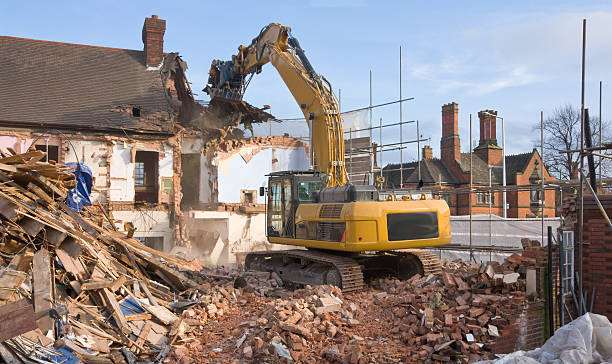
The BBMP has identified 503 buildings as structurally risky for habitation and vulnerable to collapse anytime, as per the data with the civic body.

Civic officials told the media that they have released notices to the building owners to move residents to safety and raze the structures in a week.

The decision comes in the backdrop of seven buildings falling in the last three weeks following heavy rainfall in Bengaluru.

Revenue minister R Ashoka had directed BBMP chief commissioner Gaurav Gupta to carry out a special drive to examine structurally unstable buildings in the city. A report made after the inspection drive said that the west zone had the most unstable buildings in the city at 121 and was followed by south (115) and east (113).

A senior BBMP (east) officer told the media that maximum unstable buildings are replete with violations. They do not have any delays, and there is a tendency to form buildings violating the rules. Many of these are duplex buildings where the extra floor is added without approval and foundational strength.

The buildings recognised as unstable in the west zone are old and with no maintenance. The owners do not regularly look into the safety of the building. It can result in walls or ceiling falling, a west zone officer told the media. BBMP’s additional town planning officer, Raghu, told the media that they are lucky there have been no casualties in these incidents over the last month. Some of the named buildings have formed cracks and are uninhabited.

A special team of engineers will present a report if these buildings must be razed.

Image Source

Also read: Pune municipal corporation razes illegal constructions in Yewalewadi

The BBMP has identified 503 buildings as structurally risky for habitation and vulnerable to collapse anytime, as per the data with the civic body. Civic officials told the media that they have released notices to the building owners to move residents to safety and raze the structures in a week. The decision comes in the backdrop of seven buildings falling in the last three weeks following heavy rainfall in Bengaluru. Revenue minister R Ashoka had directed BBMP chief commissioner Gaurav Gupta to carry out a special drive to examine structurally unstable buildings in the city. A report made after the inspection drive said that the west zone had the most unstable buildings in the city at 121 and was followed by south (115) and east (113). A senior BBMP (east) officer told the media that maximum unstable buildings are replete with violations. They do not have any delays, and there is a tendency to form buildings violating the rules. Many of these are duplex buildings where the extra floor is added without approval and foundational strength. The buildings recognised as unstable in the west zone are old and with no maintenance. The owners do not regularly look into the safety of the building. It can result in walls or ceiling falling, a west zone officer told the media. BBMP’s additional town planning officer, Raghu, told the media that they are lucky there have been no casualties in these incidents over the last month. Some of the named buildings have formed cracks and are uninhabited. A special team of engineers will present a report if these buildings must be razed. Image Source Also read: Pune municipal corporation razes illegal constructions in Yewalewadi

Next Story
Infrastructure Urban

Implementation Status of Jal Jeevan Mission

Since August 2019 the Government has implemented Jal Jeevan Mission to provide assured potable water through household tap connections in rural India. At the start of the mission only 32.3 million (mn) rural households, representing 16.7 per cent, were reported to have tap water connections. States and union territories have reported that 125.8 mn additional rural households have since been provided with tap connections. As a result, of about 193.6 mn rural households roughly 158.2 mn, or 81.71 per cent, are reported to have tap water supply at home.\n\nThe State, district and village level st..

Next Story
Infrastructure Urban

Jal Jeevan Mission Reaches Eighty One Per Cent Rural Coverage

The Government reported substantial progress under the Jal Jeevan Mission, launched in August 2019 to provide tap water to every rural household. At launch only 32.3 million (mn) rural households had tap connections and states and Union territories reported provision of 125.8 mn additional households by March 2026. Consequently, out of about 193.6 mn rural households around 158.2 mn, or 81.71 per cent, are reported to have tap water at home. The Finance Minister announced extension of the mission until 2028 in the 2025-26 budget speech. The Swachh Bharat Mission Grameen, launched in October 20..

Next Story
Infrastructure Urban

Empowering Local Governance for Sustainable Rural Water Supply

The Ministry of Jal Shakti has aligned the Jal Jeevan Mission (JJM) with the 73rd Amendment to strengthen village level planning and community ownership of water supply. Gram Panchayats, village water and sanitation committees and Pani Samitis are to plan, implement, manage and maintain piped water systems, with gram sabha processes formalising handover and oversight. Implementation support agencies including non government organisations, community based organisations and self help groups have been empanelled to train local committees and promote women participation. Under JJM, the department ..

Advertisement

Subscribe to Our Newsletter

Get daily newsletters around different themes from Construction world.

STAY CONNECTED

Advertisement

Advertisement

Advertisement