Bengaluru Metro Phase 3 Set for Completion by 2029
RAILWAYS & METRO RAIL

Bengaluru Metro Phase 3 Set for Completion by 2029
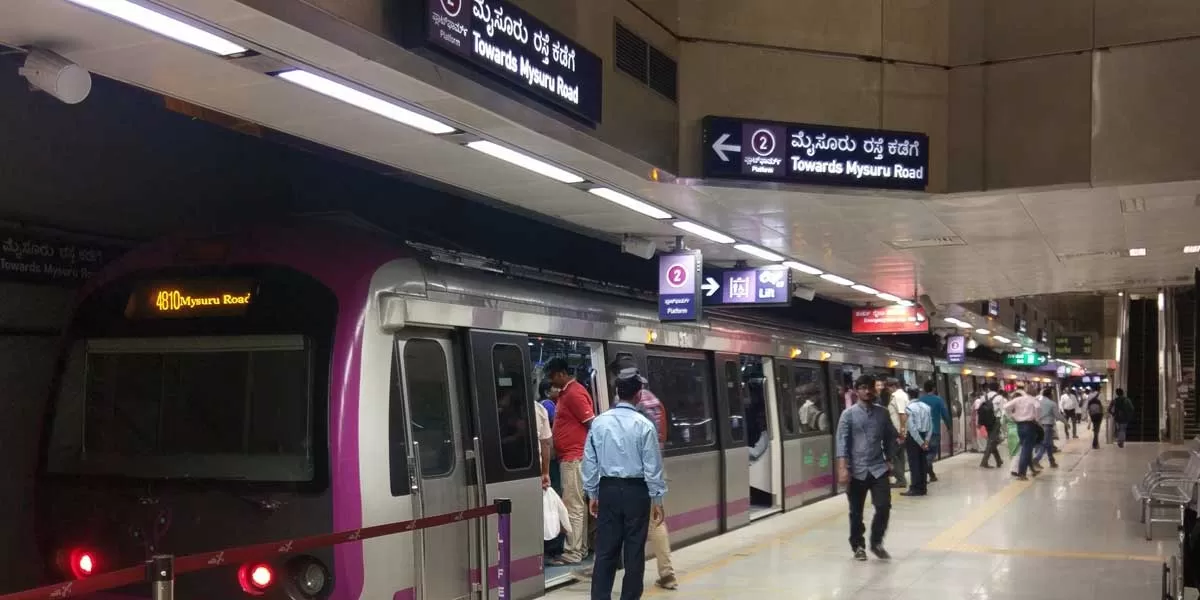
The Phase 3 Metro projects, including Corridor 1 and Corridor 2, are expected to be completed by December 2029. Phase-2A, spanning 19.75 km from Central Silk Board to Krishnarajapura, and Phase-2B, a 38.44 km stretch from Krishnarajapura to Kempegowda International Airport, are currently under progress at an estimated cost of Rs 147.88 billion.

Phase-3 Corridor-1 will cover a 32.15 km stretch from Kempapura to JP Nagar 4th Phase, while Corridor-2 will span 12.50 km from Hosahalli to Kadabagere, with an estimated cost of Rs 156.11 billion.

The Bangalore Development Authority (BDA) plans to allocate 30,000 housing units across 34 locations. Out of the 14,909 flats under construction in 25 projects, 10,615 have already been completed. Planning work for Dr K Shivarama Karanth Layout is progressing, and plot allotment is expected to begin soon.

The Karnataka Minor Mineral Concession Rules, 1994, have been revised to simplify the process of granting mining leases for stone quarrying to SC/ST individuals and organizations. Regulations for sand and M-sand have also been eased to ensure accessibility at fair prices. The Integrated Lease Management System (ILMS) software was upgraded in December 2024 to streamline mineral administration.

Bengaluru continues to strengthen its position as a global tech hub, hosting over 875 Global Capability Centres (GCCs), which account for more than 30% of India’s GCCs. To further boost this sector, the Karnataka Government introduced the Karnataka Global Capability Centre Policy 2024-29.

Public service vehicles in Karnataka, including school buses and taxis, are being equipped with Vehicle Location Tracking Devices and Emergency Panic Buttons under the Nirbhaya Fund initiative. So far, 40,848 out of 6,04,863 public service vehicles have been equipped, with plans to extend the installation further.

To address Bengaluru’s traffic congestion, the Bengaluru Traffic Police has implemented ASTRAM (Actionable Intelligence for Sustainable Traffic Management), an AI-based platform for real-time traffic monitoring and control. This system also prioritizes emergency vehicles at signals. Additionally, 2,519 students in Bengaluru have been appointed as Police Marshals, and awareness programs against drug abuse are being conducted in schools and colleges.

Cybercrime now accounts for 10% of all reported crimes in Karnataka. The government is focusing on providing advanced technology and training to combat this issue while raising public awareness to prevent cyber threats. News source: ET Realty

The Phase 3 Metro projects, including Corridor 1 and Corridor 2, are expected to be completed by December 2029. Phase-2A, spanning 19.75 km from Central Silk Board to Krishnarajapura, and Phase-2B, a 38.44 km stretch from Krishnarajapura to Kempegowda International Airport, are currently under progress at an estimated cost of Rs 147.88 billion. Phase-3 Corridor-1 will cover a 32.15 km stretch from Kempapura to JP Nagar 4th Phase, while Corridor-2 will span 12.50 km from Hosahalli to Kadabagere, with an estimated cost of Rs 156.11 billion. The Bangalore Development Authority (BDA) plans to allocate 30,000 housing units across 34 locations. Out of the 14,909 flats under construction in 25 projects, 10,615 have already been completed. Planning work for Dr K Shivarama Karanth Layout is progressing, and plot allotment is expected to begin soon. The Karnataka Minor Mineral Concession Rules, 1994, have been revised to simplify the process of granting mining leases for stone quarrying to SC/ST individuals and organizations. Regulations for sand and M-sand have also been eased to ensure accessibility at fair prices. The Integrated Lease Management System (ILMS) software was upgraded in December 2024 to streamline mineral administration. Bengaluru continues to strengthen its position as a global tech hub, hosting over 875 Global Capability Centres (GCCs), which account for more than 30% of India’s GCCs. To further boost this sector, the Karnataka Government introduced the Karnataka Global Capability Centre Policy 2024-29. Public service vehicles in Karnataka, including school buses and taxis, are being equipped with Vehicle Location Tracking Devices and Emergency Panic Buttons under the Nirbhaya Fund initiative. So far, 40,848 out of 6,04,863 public service vehicles have been equipped, with plans to extend the installation further. To address Bengaluru’s traffic congestion, the Bengaluru Traffic Police has implemented ASTRAM (Actionable Intelligence for Sustainable Traffic Management), an AI-based platform for real-time traffic monitoring and control. This system also prioritizes emergency vehicles at signals. Additionally, 2,519 students in Bengaluru have been appointed as Police Marshals, and awareness programs against drug abuse are being conducted in schools and colleges. Cybercrime now accounts for 10% of all reported crimes in Karnataka. The government is focusing on providing advanced technology and training to combat this issue while raising public awareness to prevent cyber threats. News source: ET Realty

Next Story
Infrastructure Transport

MMRDA advances 250 m on Orange Gate–Marine Drive tunnel

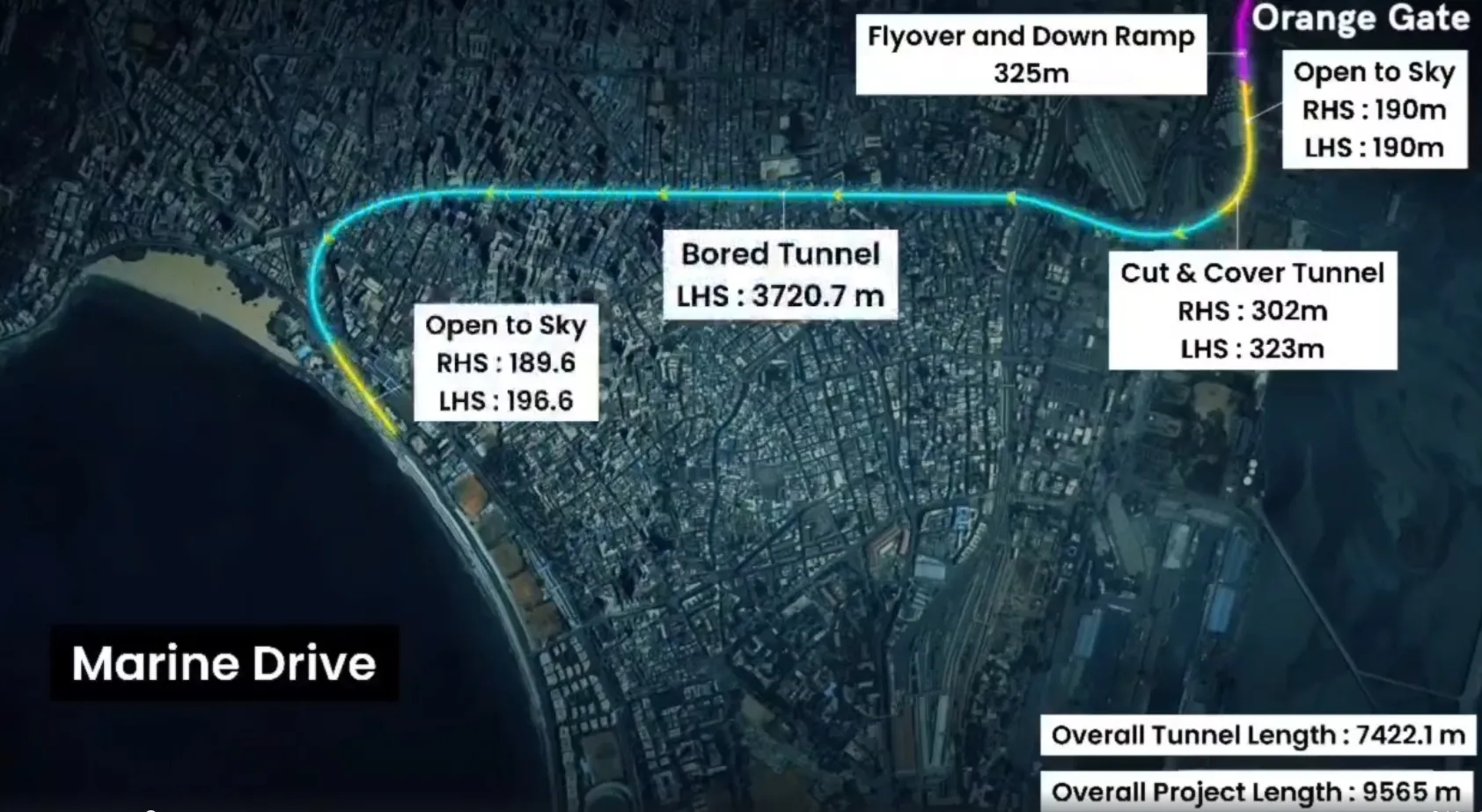
The Mumbai Metropolitan Region Development Authority (MMRDA) has completed 250 m of underground tunnelling for the Orange Gate–Marine Drive Urban Road Tunnel using India’s largest slurry shield tunnel boring machine (TBM) deployed for an urban road project.The project involves twin tunnels extending over 7 km beneath critical transport corridors, including Central Railway, Western Railway and Metro Line 3. The work requires high-precision engineering to navigate densely developed urban infrastructure.Once completed, the tunnel is expected to reduce travel time between Orange Gate and Marin..
Next Story
Infrastructure Urban

Hindustan Zinc Pays Rs 188.46 Billion in FY26

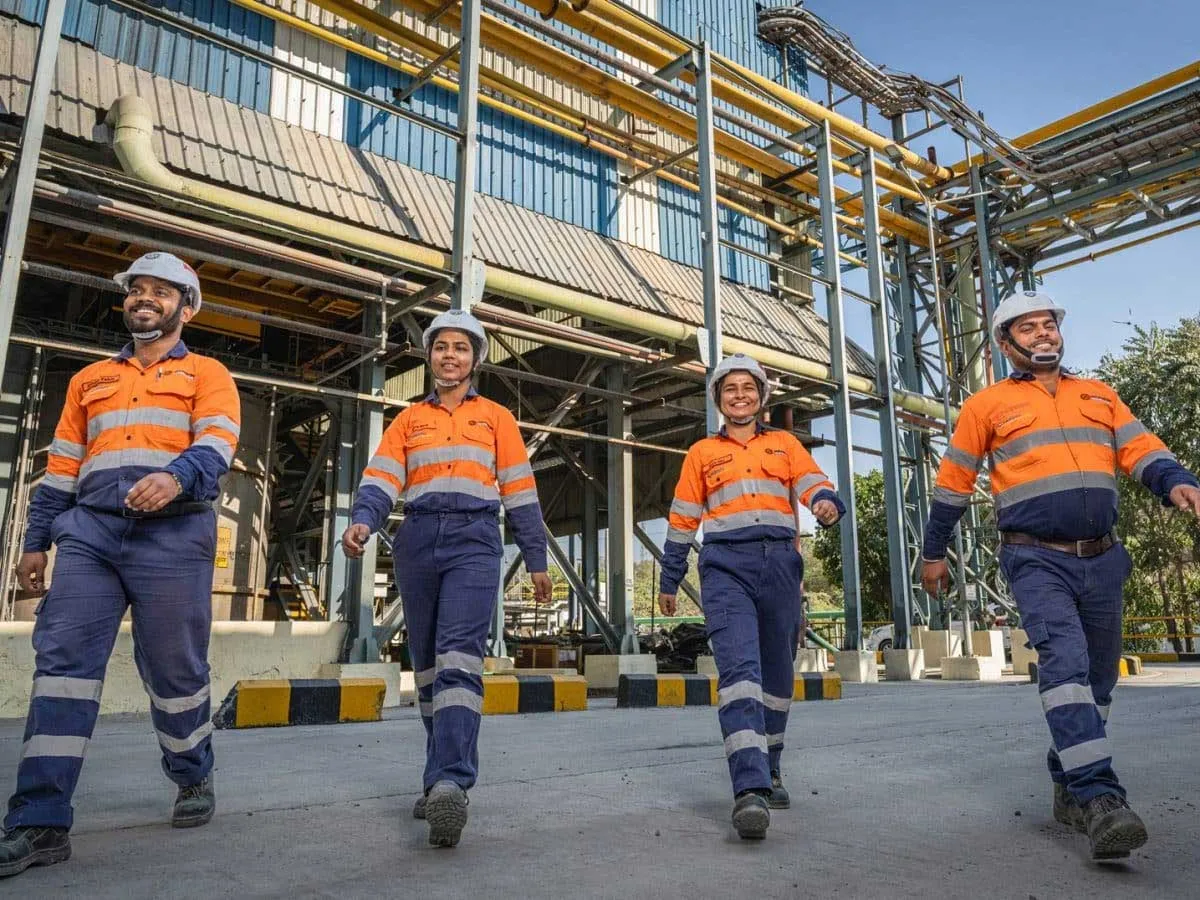
Hindustan Zinc contributed Rs 188.46 billion to the public exchequer in FY 2025-26, according to its 9th Tax Transparency Report. The contribution, equivalent to 46 per cent of the company’s revenue, included direct and indirect taxes, government royalties, dividends to the Government of India, withholding taxes and other statutory levies.The company’s five-year cumulative contribution to the exchequer stood at Rs 915.72 billion. In FY26, Hindustan Zinc reported revenue of Rs 408.44 billion, EBITDA of Rs 221.62 billion and profit after tax of Rs 138.32 billion. It also achieved its highest..
Next Story
Infrastructure Urban

World of Concrete India 2026 Opens in Mumbai

Informa Markets in India will host the 12th edition of World of Concrete India 2026 from 3–5 June 2026 at the Bombay Exhibition Centre, Mumbai. The specialised B2B exhibition will bring together manufacturers, suppliers, contractors, developers, architects, consultants, infrastructure companies, project leaders and government stakeholders.The event is expected to feature over 350 brands and more than 18,000 trade professionals. It will cover concrete and cement, dry mortar, precast technologies, formwork, construction chemicals, industrial and commercial flooring, scaffolding, safety solutio..

Advertisement

Subscribe to Our Newsletter

Get daily newsletters around different themes from Construction world.

STAY CONNECTED

Advertisement

Advertisement

Advertisement