Commercial real estate investments at $1.35 bn in Q1 FY21
Real Estate

Commercial real estate investments at $1.35 bn in Q1 FY21

As per the JLL's 'Capital Markets Update Q2 2021' report, the Indian commercial real estate market drew $1.357 billion of investments from institutional investors in the April–June quarter of 2021.

The report said that the capital deployments in the April-June period described the most active second quarter in five years.

Radha Dhir, CEO and Country Head, India, JLL, told the media that despite the second wave of Covid-19 impacting India in April this year, the first six months of 2021 witnessed investments of $2.7 billion that is 53% of the total investments observed in 2020.

According to her, investors are displaying resilience and are adjusting to the unpredictable environment. Easing lockdowns during the first three months of 2021 also provided investors with a first-hand experience of the post-pandemic environment. It resulted in risk re-rating, and asset allocations observed a subsequent shift in Q2 2021.

The speed and volume of investments since the past decade has been backed by the introduction of Real Estate Investment Trusts (REITs) in 2014, the Real estate Regulation and Development Act in 2016 (RERA), Benami Transactions (Prohibition) Act and progressive relaxation in foreign direct investment measures over the years.

She said that the first half of 2021 observed broader investor participation and, though the economic dip produced by the second wave will result in a slower increase in 2021, investments in real estate are anticipated to keep momentum.

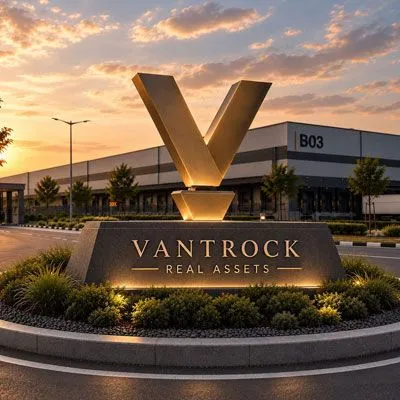
The most significant beneficiary during the pandemic has been the warehousing and logistics sector since it drew total investments of over $1 billion during Q2CY2021.

According to the report, warehousing accounted for 55% share while retail accumulated 20% of total investments during the quarter.

Dr Samantak Das, Chief Economist and Head of Research & REIS, India, JLL, said that additionally, the data center industry has been attracting strong operator and investor attention with several funds exploring entry strategies.

Investments in the logistics and warehousings sectors were engaging due to the growing shift to online shopping from discretionary to essentials. The significant global funds have invested with warehousing developers and operators as scale and regional footprint are the fundamental differentiators in the sector, the report said.

The report also observed that there has been a change in investment strategy from specific assets to platform type investments as marquee developers have led to a shift from asset and region to the portfolio approach.

Since most warehousing, and retail assets, are placed in tier 2 and 3 cities apart from major metros, the share of ’Pan-India’ has been getting fame, it said.

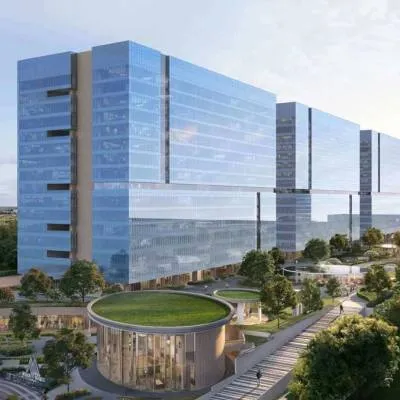
Defensive sectors like warehousing and data centers are expected to obtain center stage, while office assets will gain attention with more visibility on work from office trends.

Additionally, the REITs market is anticipated to get a further increase as the decrease in lot size of REIT units is likely to drive more retail participation. The growth prospects of the data centers are likely to attract capital at the development stage with ambitious expansion plans by the data center players. Institutional investors have passed the litmus test of resilience during pandemic resurgence and are likely to invest more capital in 2021, the report added.

Image Source


Also read: Homes sales take a hit as second wave derails demand recovery in Q2

Also read: Property registrations in Indore recorded a 60% jump in June

As per the JLL's 'Capital Markets Update Q2 2021' report, the Indian commercial real estate market drew $1.357 billion of investments from institutional investors in the April–June quarter of 2021. The report said that the capital deployments in the April-June period described the most active second quarter in five years. Radha Dhir, CEO and Country Head, India, JLL, told the media that despite the second wave of Covid-19 impacting India in April this year, the first six months of 2021 witnessed investments of $2.7 billion that is 53% of the total investments observed in 2020. According to her, investors are displaying resilience and are adjusting to the unpredictable environment. Easing lockdowns during the first three months of 2021 also provided investors with a first-hand experience of the post-pandemic environment. It resulted in risk re-rating, and asset allocations observed a subsequent shift in Q2 2021. The speed and volume of investments since the past decade has been backed by the introduction of Real Estate Investment Trusts (REITs) in 2014, the Real estate Regulation and Development Act in 2016 (RERA), Benami Transactions (Prohibition) Act and progressive relaxation in foreign direct investment measures over the years. She said that the first half of 2021 observed broader investor participation and, though the economic dip produced by the second wave will result in a slower increase in 2021, investments in real estate are anticipated to keep momentum. The most significant beneficiary during the pandemic has been the warehousing and logistics sector since it drew total investments of over $1 billion during Q2CY2021. According to the report, warehousing accounted for 55% share while retail accumulated 20% of total investments during the quarter. Dr Samantak Das, Chief Economist and Head of Research & REIS, India, JLL, said that additionally, the data center industry has been attracting strong operator and investor attention with several funds exploring entry strategies. Investments in the logistics and warehousings sectors were engaging due to the growing shift to online shopping from discretionary to essentials. The significant global funds have invested with warehousing developers and operators as scale and regional footprint are the fundamental differentiators in the sector, the report said. The report also observed that there has been a change in investment strategy from specific assets to platform type investments as marquee developers have led to a shift from asset and region to the portfolio approach. Since most warehousing, and retail assets, are placed in tier 2 and 3 cities apart from major metros, the share of ’Pan-India’ has been getting fame, it said. Defensive sectors like warehousing and data centers are expected to obtain center stage, while office assets will gain attention with more visibility on work from office trends. Additionally, the REITs market is anticipated to get a further increase as the decrease in lot size of REIT units is likely to drive more retail participation. The growth prospects of the data centers are likely to attract capital at the development stage with ambitious expansion plans by the data center players. Institutional investors have passed the litmus test of resilience during pandemic resurgence and are likely to invest more capital in 2021, the report added. Image Source Also read: Homes sales take a hit as second wave derails demand recovery in Q2 Also read: Property registrations in Indore recorded a 60% jump in June

Next Story
Infrastructure Transport

Kavach 4.0 Commissioned on Delhi–Mumbai and Delhi–Howrah

"Kavach version four has been commissioned on 1,452 route km, covering the high density Delhi–Mumbai and Delhi–Howrah corridors. The rollout included laying 8,570 km of optical fibre, installation of 1,100 telecom towers, deployment of trackside equipment over 6,776 RKm and establishment of 767 station data centres. Trackside implementation has been taken up on 24,427 RKm covering Golden Quadrilateral, Golden Diagonal and High Density Network sections. The programme aims to strengthen signalling and train protection on key routes.Kavach is an indigenously developed automatic train protecti..

Next Story
Infrastructure Transport

Railways Advance Kalyan–Murbad Line And Mumbai Capacity Expansion

"Indian Railways is advancing multiple rail infrastructure projects in Maharashtra, including the sanctioned Kalyan–Murbad new line and sizable investments under the Mumbai Urban Transport Project and the Mumbai–Ahmedabad High Speed Rail project. The Kalyan–Murbad 28 km new line has been sanctioned at Rs 8.36 billion (bn) on a 50:50 cost-sharing basis with the Government of Maharashtra and has been declared a Special Railway Project for land acquisition; proposals covering 214 hectares are at various stages of acquisition. Budgetary outlay for projects falling fully or partly in Maharash..

Next Story
Infrastructure Urban

Parliamentary Panel Flags Funding Gaps in Heavy Industries

"The Department-Related Parliamentary Standing Committee on Industry (Rajya Sabha) presented its 332nd report on the Demands for Grants 2026-27 of the Ministry of Heavy Industries (MHI). Figures converted from crore and lakh are expressed in million (mn). The Budget Estimates 2026-27 for the Ministry stand at Rs 79,399 mn against a projected requirement of Rs 94,843.2 mn, a shortfall of about 16 per cent, with revenue at Rs 79,370.8 mn and capital compressed to Rs 28.2 mn from Rs 5,020 mn.The committee flagged recurring BE-to-RE compression and declining revised estimate utilisation, and calle..

Advertisement

Subscribe to Our Newsletter

Get daily newsletters around different themes from Construction world.

STAY CONNECTED

Advertisement

Advertisement

Advertisement