
As shopping malls across Western economies grapple with declining footfalls and structural obsolescence, global capital is increasingly redirecting its focus towards India, a market that is defying prevailing global retail trends. Since 2020, the United States has witnessed the closure of nearly 1,200 mall stores, with rising vacancies forcing close to 40 per cent of underperforming malls to be rezoned or repurposed. In sharp contrast, India is experiencing a retail resurgence, fuelled by strong consumption demand, favourable foreign direct investment policies and growing institutional investor confidence.
A key driver of this momentum is the acute undersupply of quality retail space across the country. India’s per capita retail stock remains among the lowest globally, with Tier I cities offering only four to six sq ft per person, Tier II and III cities limited to two to three sq ft, and Grade A mall space at just 0.6 sq ft per capita. This compares with nearly 23 sq ft in the United States and more than six sq ft in China.
“This gap, combined with India’s per-capita income nearly doubling in the last decade, has created a demand–supply mismatch virtually unheard of in global retail,” says Kejriwal. “Grade-A malls are running near-full occupancy, reporting 95–100 per cent occupancy with long waitlists for key zones. Rental growth has consistently surpassed pre-pandemic levels, and developers now find leasing cycles outpacing construction cycles — a rarity anywhere in the world.”
For global investors seeking predictable, inflation-hedged cash flows, this imbalance presents a compelling long-term opportunity.
Consumption Shifts Towards Quality Destinations
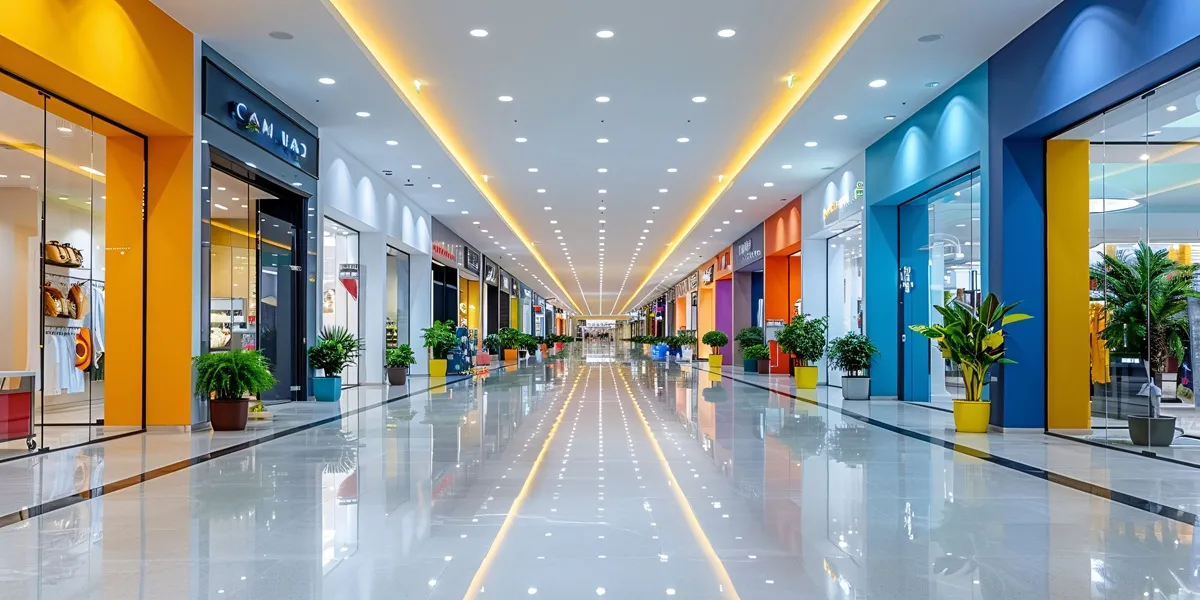
India’s consumption story continues to gather pace, with the country projected to become a USD 6 trillion consumption economy by 2030. Unlike Western malls, which are often dominated by transactional retail, Indian malls have evolved into lifestyle destinations anchored around entertainment, dining and social engagement. Major malls record weekday footfalls exceeding 20,000, rising beyond 40,000 on weekends. Food and beverage outlets and entertainment now account for 30–35 per cent of footfalls, creating a resilient retail mix that has proven largely immune to online disruption.
Rising Investor Appetite
India currently has more than 600 operational malls, yet fewer than 100 meet the institutional-grade benchmarks required by global investors. This scarcity has intensified competition for high-quality assets.
“With its 19-mall portfolio housing over 1,000 brands and generating Rs 1,600 crore in annual NOI, Blackstone’s Nexus Select Trust REIT listing in 2023 kick-started retail-led REITs in India,” Kejriwal adds. “It established the sector’s credentials as a transparent, scalable and professionally managed asset class. By 2030, at least two more retail REITs are expected to enter the Indian market.”
E-commerce Complements, Not Competes
Another factor strengthening investor confidence is the continued relevance of physical retail in India. E-commerce penetration stands at around eight per cent, significantly lower than the 20 per cent-plus levels seen in China and the US. Rather than cannibalising malls, digital platforms are complementing them, with brands increasingly adopting ‘phygital’ strategies. Offline stores are serving as experience and trust-building hubs, while online channels deliver scale. Several D2C brands report offline conversion rates that are two to three times higher than online.
A Compelling Global Proposition
Grade A malls in India typically deliver internal rates of return of 14–18 per cent, nearly double the yields seen in many mature Western markets. Rental escalation mechanisms, revenue-sharing models linked to consumption growth and consistently low vacancy levels offer both stability and upside.
“This renders India unique among the world’s leading retail markets,” Kejriwal concludes. “While malls in the US and Europe face oversupply, declining footfalls and the need for repurposing, India is characterised by limited quality supply, rising incomes, heavy footfalls and rapid brand expansion. In the first half of 2025 alone, retail leasing rose nearly 70 per cent year-on-year, while new mall supply increased by over 160 per cent.”