Housing costs increase by 10-15% in Andhra Pradesh
Real Estate

Housing costs increase by 10-15% in Andhra Pradesh

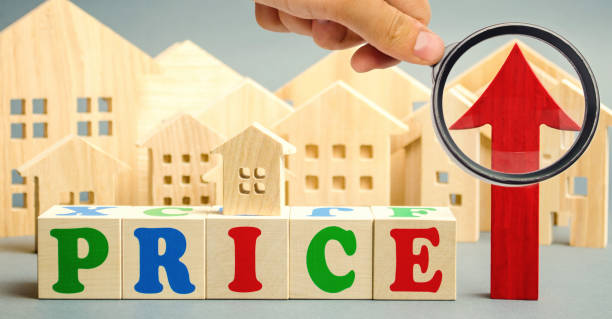
Individual housing and flats have turned costlier by 10-15% in parts of Andhra Pradesh as the developers have imposed a price hike due to the high costs of construction raw materials.

Building materials like steel, cement, plastic and labour charges are witnessing a steep rise, with the builders and customers facing the challenge.

The Indian real estate sector was hit by the Covid-19 pandemic. The steep rise in prices of raw materials has compounded the woes of developers. The price rise has led to homes getting costlier in Vizag and Vijayawada.

The Confederation of Real Estate Developers Associations of India (CREDAI), National Real Estate Development Council (NAREDCO), and Builder Association of India (BAI), in parts of the state, protested against the abnormal price hike of construction materials.

President of CREDAI-Andhra Pradesh, B Raja Srinivas, told the media that the basic prices of cement, steel, electrical, painting, plumbing, sanitary and 250 other materials had increased abnormally. The prices of petrol and diesel have also increased, which is the main reason for the price rise of all other materials.

He said that the prices of some of the construction materials have increased by at least 40-50%, which increased the construction costs. The buyers are facing challenges due to the price hike.

Srinivas said that the cement and steel producers increased their prices, highlighting the various reasons such as losses due to the Covid-19 pandemic. The cost of one tonne of steel was Rs 35,000 months ago, which is 70,000 now. Similarly, the price of a cement bag increased from Rs 300 to Rs 400, while the prices of sanitary, electrical and other required items increased by over 50% in the last few months.

Image Source

Also read: Rising construction costs increase home buying costs: CREDAI

Individual housing and flats have turned costlier by 10-15% in parts of Andhra Pradesh as the developers have imposed a price hike due to the high costs of construction raw materials. Building materials like steel, cement, plastic and labour charges are witnessing a steep rise, with the builders and customers facing the challenge. The Indian real estate sector was hit by the Covid-19 pandemic. The steep rise in prices of raw materials has compounded the woes of developers. The price rise has led to homes getting costlier in Vizag and Vijayawada. The Confederation of Real Estate Developers Associations of India (CREDAI), National Real Estate Development Council (NAREDCO), and Builder Association of India (BAI), in parts of the state, protested against the abnormal price hike of construction materials. President of CREDAI-Andhra Pradesh, B Raja Srinivas, told the media that the basic prices of cement, steel, electrical, painting, plumbing, sanitary and 250 other materials had increased abnormally. The prices of petrol and diesel have also increased, which is the main reason for the price rise of all other materials. He said that the prices of some of the construction materials have increased by at least 40-50%, which increased the construction costs. The buyers are facing challenges due to the price hike. Srinivas said that the cement and steel producers increased their prices, highlighting the various reasons such as losses due to the Covid-19 pandemic. The cost of one tonne of steel was Rs 35,000 months ago, which is 70,000 now. Similarly, the price of a cement bag increased from Rs 300 to Rs 400, while the prices of sanitary, electrical and other required items increased by over 50% in the last few months. Image Source Also read: Rising construction costs increase home buying costs: CREDAI

Next Story
Infrastructure Urban

Implementation Status of Jal Jeevan Mission

Since August 2019 the Government has implemented Jal Jeevan Mission to provide assured potable water through household tap connections in rural India. At the start of the mission only 32.3 million (mn) rural households, representing 16.7 per cent, were reported to have tap water connections. States and union territories have reported that 125.8 mn additional rural households have since been provided with tap connections. As a result, of about 193.6 mn rural households roughly 158.2 mn, or 81.71 per cent, are reported to have tap water supply at home.\n\nThe State, district and village level st..

Next Story
Infrastructure Urban

Jal Jeevan Mission Reaches Eighty One Per Cent Rural Coverage

The Government reported substantial progress under the Jal Jeevan Mission, launched in August 2019 to provide tap water to every rural household. At launch only 32.3 million (mn) rural households had tap connections and states and Union territories reported provision of 125.8 mn additional households by March 2026. Consequently, out of about 193.6 mn rural households around 158.2 mn, or 81.71 per cent, are reported to have tap water at home. The Finance Minister announced extension of the mission until 2028 in the 2025-26 budget speech. The Swachh Bharat Mission Grameen, launched in October 20..

Next Story
Infrastructure Urban

Empowering Local Governance for Sustainable Rural Water Supply

The Ministry of Jal Shakti has aligned the Jal Jeevan Mission (JJM) with the 73rd Amendment to strengthen village level planning and community ownership of water supply. Gram Panchayats, village water and sanitation committees and Pani Samitis are to plan, implement, manage and maintain piped water systems, with gram sabha processes formalising handover and oversight. Implementation support agencies including non government organisations, community based organisations and self help groups have been empanelled to train local committees and promote women participation. Under JJM, the department ..

Advertisement

Subscribe to Our Newsletter

Get daily newsletters around different themes from Construction world.

STAY CONNECTED

Advertisement

Advertisement

Advertisement