Rules Issued for Payment Security and CFA Under PM Surya Ghar Yojana
POWER & RENEWABLE ENERGY

Rules Issued for Payment Security and CFA Under PM Surya Ghar Yojana

The Ministry of New and Renewable Energy (MNRE) has released guidelines for implementing key components of the PM Surya Ghar: Muft Bijli Yojana, aimed at accelerating residential rooftop solar adoption.

Key components

1. Central Financial Assistance (CFA):
CFA will be extended to eligible residential rooftop solar systems under the Renewable Energy Service Company (RESCO) and Utility-Led Aggregation (ULA) models. These systems must meet domestic content requirements (DCR) and approved metering mechanisms to qualify. Non-residential installations or households with pre-existing systems are ineligible.

2. Payment security mechanism:
This mechanism ensures timely payments to RESCO developers by mitigating defaults and delays. Rs 1 billion corpus will support this system, managed by the National Program Implementation Agency (NPIA).

Implementation details
RESCO model:

  • Third-party developers finance, install, and maintain rooftop solar systems for a minimum of five years. Consumers pay for electricity consumed and may assume system ownership after the project period.
  • DISCOMs may facilitate tariff collection and support power purchase agreements (PPAs) for surplus power.
  • ULA model:

  • Utility-owned assets: Utilities own the systems for at least five years, with potential ownership transfer to households. Utilities may sell generated power under PPAs or provide roof rent.
  • Consumer-owned assets: Households own the systems from commissioning, contributing up to 10% of the benchmark cost, while utilities manage installations via competitive bidding.
  • CFA eligibility and rules:
  • Systems up to 3 kW capacity are eligible for CFA under ULA proposals. Additional technologies like battery storage are excluded.
  • Installation data must be reported hourly, integrating with the national portal. Proposals from states or union territories must include detailed budgets, clearances, and business models.
  • Payment security mechanism:
  • RESCO vendors must contribute Rs 2,000 per installation to the payment security corpus. States must guarantee timely payment settlements to RESCO developers.
  • Delayed payments incur interest at SBI's marginal cost of funds lending rate (MCLR) plus 5%, increasing incrementally with a cap of 3% above the base rate.
  • Approved on February 29, 2024, the PM Surya Ghar program aims to install rooftop solar systems in 10 million households by March 2027. As of November 21, 2024, 616,019 installations have been completed.

    The guidelines include provisions for automated billing, consumer consent requirements, and penalties for non-compliance. Amendments and clarifications may be issued to address implementation challenges, ensuring the program’s smooth operation.

    (Mercom)

    The Ministry of New and Renewable Energy (MNRE) has released guidelines for implementing key components of the PM Surya Ghar: Muft Bijli Yojana, aimed at accelerating residential rooftop solar adoption. Key components 1. Central Financial Assistance (CFA): CFA will be extended to eligible residential rooftop solar systems under the Renewable Energy Service Company (RESCO) and Utility-Led Aggregation (ULA) models. These systems must meet domestic content requirements (DCR) and approved metering mechanisms to qualify. Non-residential installations or households with pre-existing systems are ineligible. 2. Payment security mechanism: This mechanism ensures timely payments to RESCO developers by mitigating defaults and delays. Rs 1 billion corpus will support this system, managed by the National Program Implementation Agency (NPIA). Implementation details RESCO model: Third-party developers finance, install, and maintain rooftop solar systems for a minimum of five years. Consumers pay for electricity consumed and may assume system ownership after the project period. DISCOMs may facilitate tariff collection and support power purchase agreements (PPAs) for surplus power. ULA model: Utility-owned assets: Utilities own the systems for at least five years, with potential ownership transfer to households. Utilities may sell generated power under PPAs or provide roof rent. Consumer-owned assets: Households own the systems from commissioning, contributing up to 10% of the benchmark cost, while utilities manage installations via competitive bidding. CFA eligibility and rules: Systems up to 3 kW capacity are eligible for CFA under ULA proposals. Additional technologies like battery storage are excluded. Installation data must be reported hourly, integrating with the national portal. Proposals from states or union territories must include detailed budgets, clearances, and business models. Payment security mechanism: RESCO vendors must contribute Rs 2,000 per installation to the payment security corpus. States must guarantee timely payment settlements to RESCO developers. Delayed payments incur interest at SBI's marginal cost of funds lending rate (MCLR) plus 5%, increasing incrementally with a cap of 3% above the base rate. Approved on February 29, 2024, the PM Surya Ghar program aims to install rooftop solar systems in 10 million households by March 2027. As of November 21, 2024, 616,019 installations have been completed. The guidelines include provisions for automated billing, consumer consent requirements, and penalties for non-compliance. Amendments and clarifications may be issued to address implementation challenges, ensuring the program’s smooth operation. (Mercom)

    Next Story
    Real Estate

    Loomcraft Enters South India with Kerala Store Launch

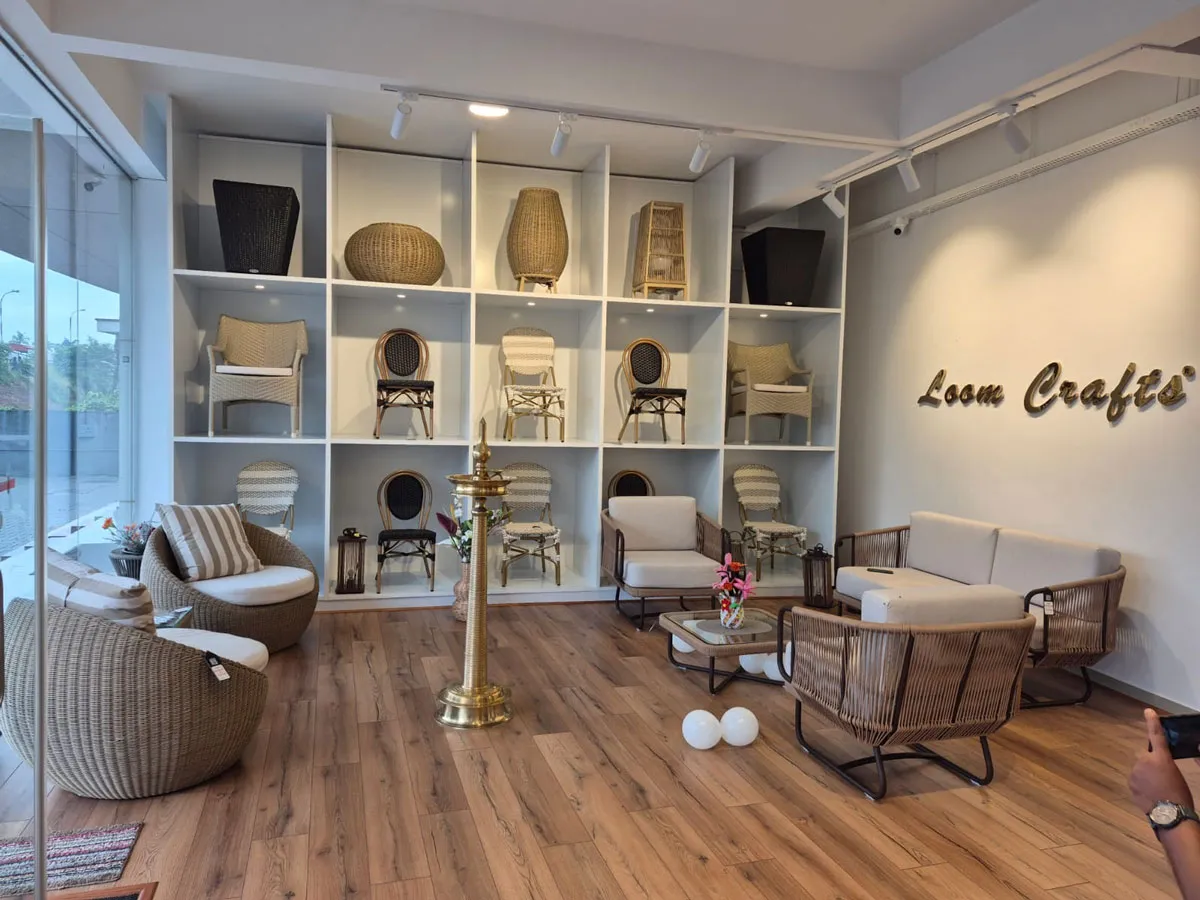
    Loomcraft has launched its exclusive store in Kerala, marking its entry into South India and a key step in its nationwide expansion strategy. The move targets a region driven by tourism and premium real estate demand, where outdoor spaces play a central role in hospitality and residential experiences.Kerala’s growing base of luxury resorts, boutique hotels, villas and gated communities has created strong demand for specialised outdoor furniture. However, the region has remained underserved, with buyers relying on imports or generic products not suited to humid, coastal and monsoon-heavy cond..

    Next Story
    Building Material

    Mild Steel Prices Seen Rising to Rs 61,000 Per Tonne

    Mild steel prices in India, currently around Rs 58,000 per tonne, are expected to rise to nearly Rs 61,000 per tonne in April, indicating an increase of about Rs 3,000 per tonne. The anticipated rise reflects structural pressures driven by geopolitical tensions, energy constraints and limited raw material availability.Ongoing global conflict has disrupted energy markets, leading to LNG shortages that are affecting domestic steel production. Small and mid-sized manufacturers, particularly those dependent on gas-based processes, are witnessing production cuts due to constrained energy supply, re..

    Next Story
    Infrastructure Urban

    Vedanta Expands Transgender Workforce to 75 Employees

    Vedanta has strengthened its commitment to workplace inclusion by employing 75 transgender individuals across its businesses, including Vedanta Aluminium, Hindustan Zinc, Sesa Goa, FACOR and Cairn Oil & Gas. The initiative reflects sustained hiring efforts since 2022 to build equitable opportunities across operations, corporate and technical roles.Transgender employees are engaged in functions such as operations, finance, logistics, HR, CSR, healthcare and security, with provisions for internal mobility to support career progression. The company has implemented structured policies, includi..

    Advertisement

    Subscribe to Our Newsletter

    Get daily newsletters around different themes from Construction world.

    STAY CONNECTED

    Advertisement

    Advertisement

    Advertisement