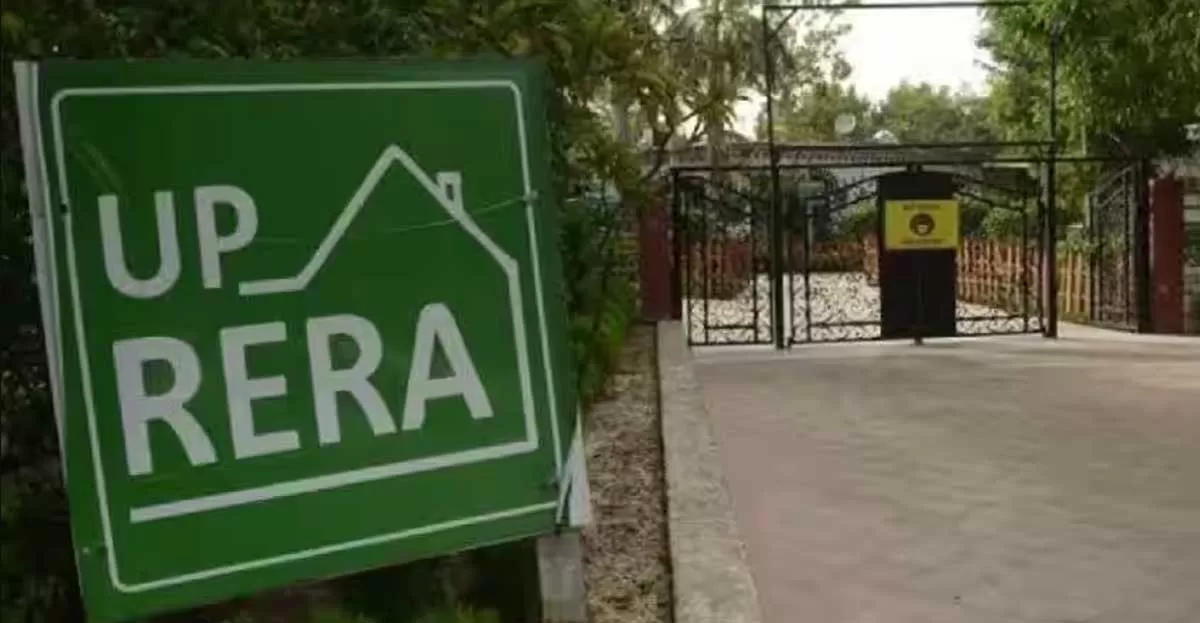
UP-RERA mandates promoters to demonstrate legal title for project land
Real Estate

UP-RERA mandates promoters to demonstrate legal title for project land

The Uttar Pradesh Real Estate Regulatory Authority (UP-RERA) has issued a directive to the promoters, instructing them to ensure that they possess legal title over the land on which they are seeking registration for their project.

According to the directive, if the land for the project is not owned by the promoter but by another individual or individuals, the promoter must obtain consent from the landowner for the development of the proposed project. Moreover, the promoter must have a registered joint development agreement with the landowner for this purpose.

UP-RERA has further instructed the promoters to submit an affidavit confirming that the project land is unencumbered. They must also disclose any encumbrances on the land if such exist.

Sanjay Bhoosreddy, chairman of UP-RERA, stated that RERA's provisions are explicit in requiring promoters to obtain the Completion Certificate (C.C.)/Occupancy Certificate (O.C.) for the project and to transfer the title of the unit to the allottee through a registered sale deed or sub-lease deed, as applicable.

These directives were deemed necessary due to the inability of promoters to legally transfer title to allottees, along with their respective shares in the project land, in the absence of legal title over the project land, consent from the landowner, and a registered joint development agreement (JDA) with the landowner.

This situation also creates challenges for UP-RERA in processing project registration applications if the promoter lacks legal title to the land or does not possess written consent from the landowner, along with a registered joint development agreement.

The Uttar Pradesh Real Estate Regulatory Authority (UP-RERA) has issued a directive to the promoters, instructing them to ensure that they possess legal title over the land on which they are seeking registration for their project. According to the directive, if the land for the project is not owned by the promoter but by another individual or individuals, the promoter must obtain consent from the landowner for the development of the proposed project. Moreover, the promoter must have a registered joint development agreement with the landowner for this purpose. UP-RERA has further instructed the promoters to submit an affidavit confirming that the project land is unencumbered. They must also disclose any encumbrances on the land if such exist. Sanjay Bhoosreddy, chairman of UP-RERA, stated that RERA's provisions are explicit in requiring promoters to obtain the Completion Certificate (C.C.)/Occupancy Certificate (O.C.) for the project and to transfer the title of the unit to the allottee through a registered sale deed or sub-lease deed, as applicable. These directives were deemed necessary due to the inability of promoters to legally transfer title to allottees, along with their respective shares in the project land, in the absence of legal title over the project land, consent from the landowner, and a registered joint development agreement (JDA) with the landowner. This situation also creates challenges for UP-RERA in processing project registration applications if the promoter lacks legal title to the land or does not possess written consent from the landowner, along with a registered joint development agreement.

Next Story
Infrastructure Urban

India Expands Semiconductor Training To 500 Institutions

Under the Chips to Startups programme of the India Semiconductor Mission, the Union minister responsible for Railways, Information and Broadcasting, and Electronics and IT reported notable progress in talent development. He indicated that over the past four years substantial steps have been taken towards a 10-year target of training 85,000 engineers in semiconductor design. World-class EDA tools have been deployed in 315 academic institutions across the country to provide students with practical exposure to chip design. These EDA tools are supported by leading global firms and are accessible t..

Next Story
Infrastructure Urban

Delhi Institutions Support India Semiconductor Mission

The Government of India has prioritised talent development through training, upskilling and workforce development under the Chips to Startups initiative of the India Semiconductor Mission, with officials noting progress in four years towards a 10-year target of training 85,000 engineers in semiconductor design. Electronic design automation tools provided by Synopsys, Cadence, Siemens, Renesas, Ansys and AMD have been deployed in 315 academic institutions, enabling students to gain practical chip design experience. Chips have been fabricated and tested at the Semiconductor Laboratory, Mohali, a..

Next Story
Infrastructure Urban

NHA Announces Winners Of NHCX Hackathon At IIT Hyderabad

The National Health Authority (NHA) has concluded the NHCX Hackathon under the Ayushman Bharat Digital Mission (ABDM) to stimulate innovation around the National Health Claims Exchange (NHCX). The winning teams presented their solutions at the NHCX Innovation Meet held at IIT Hyderabad during a two-day event in March 2026 that also served as the hackathon grand finale. The hackathon itself ran from 22 to 28 February 2026 and aimed to accelerate paperless, transparent claims processing across India. The event was organised with a range of ecosystem partners, including the Insurance Regulatory a..

Advertisement

Subscribe to Our Newsletter

Get daily newsletters around different themes from Construction world.

STAY CONNECTED

Advertisement

Advertisement

Advertisement