A global alliance of leading built environment and finance organisations has launched the Greening AI Data Centers Coalition (GADCC), aimed at establishing credible sustainability standards for one of the fastest-growing infrastructure segments.
Founding members include Building Research Establishment, Climate Bonds Initiative, German Sustainable Building Council, Global Real Estate Sustainability Benchmark, Green Building Council of Australia, Green Building Council South Africa, Indian Green Building Council, U.S. Green Building Council, and World Green Building Council.
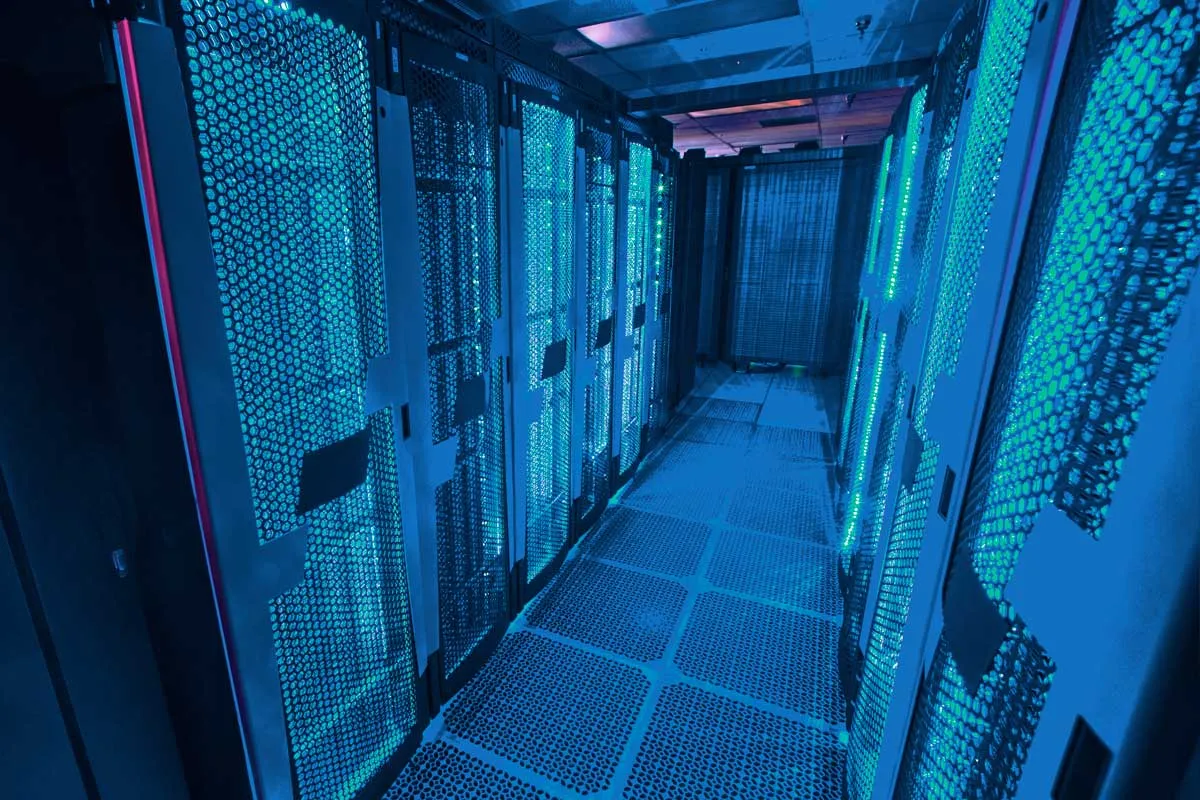
The coalition will define clear benchmarks for what constitutes a “green” data centre, addressing rising concerns around energy consumption, water usage, and community impact as AI-driven infrastructure demand accelerates globally.
Data centres currently account for around 1.5–2 per cent of global electricity consumption, with demand expected to more than double by 2030. Their growing water footprint and pressure on local grids have raised concerns about long-term sustainability and resource allocation.
The GADCC will focus on two core areas: developing internationally aligned sustainability criteria covering energy, carbon, water, waste, biodiversity, and social impact; and enabling green finance instruments such as bonds and sustainability-linked loans aligned with these standards.
Peter Templeton, President and CEO, USGBC, said, “Through this coalition, we are committing our collective expertise to balancing growth with responsible development that protects energy affordability, local resources, and quality of life.”
The initiative reflects a broader industry push to bring transparency, standardisation, and accountability to AI infrastructure, ensuring that future data centre expansion aligns with global decarbonisation and sustainability goals.
Here's what industry experts say:
James Fisher, Head of Strategic Partnerships, Building Research Establishment (BRE):
“BRE is pleased to be part of the Greening AI Data Centers Coalition, bringing together organizations with shared expertise across the built environment. As AI infrastructure continues to expand, collaborative approaches grounded in recognized standards such as BREEAM will be essential to support more sustainable outcomes for buildings, infrastructure and the communities they serve.”
Sean Kidney, CEO, Climate Bonds Initiative:
“Trillions are going into building AI data centers, but without clear standards, it risks becoming a climate disaster. The solutions are simple: use clean energy, recycle water and re-use heat. This coalition is about setting the rules to get that right.”
Dr. Christine Lemaitre, CEO, German Sustainable Building Council (DGNB):
“Data centers are becoming an increasingly significant subject in Europe too, requiring comprehensive and sustainable planning and implementation in order to minimize any negative implications for climate protection. In this context, the link to the municipal context plays a particularly important role. Developing common standards in a timely manner that work on a global scale is a key task, making our coalition particularly significant.”
Dr. Chris Pyke, Global Real Estate Sustainability Benchmark (GRESB):
“Data centers are the fastest-growing, most impactful category of real estate. GRESB shares the Greening AI Data Centers Coalition goal of providing investors with the information they need to constructively engage with developers and operators to protect financial value and improve social and environmental outcomes. Investors – equipped with timely and relevant information – can play a key role in making essential data center development safe and sustainable.”
Davina Rooney, Chief Executive Officer, Green Building Council of Australia (GBCA):
“Artificial intelligence is driving rapid growth in data centers around the world, including here in Australia. As this infrastructure expands, we need clear expectations for sustainability that protect energy systems, water resources, and communities. This coalition will bring global expertise together while recognizing that local conditions, from climate to grid dynamics, must shape how sustainable data centres are delivered.”
Mr K S Venkatagiri, Executive Director, Indian Green Building Council (IGBC) of Confederation of Indian Industry (CII):
“Greening AI data centers is no longer a choice; it is an imperative for a sustainable digital future. For over two decades, IGBC (Indian Green Building Council) has championed green data centers, proving that energy efficiency, resilience, and scale can go hand in hand. India has total 1.4 GW of total Designed IT Load out of which more than 850 MW of IT load is Green Certified. As AI accelerates demand, sustainability must accelerate innovation. The future of AI must be powerful, responsible, and truly green.”
Cristina Gamboa, CEO, World Green Building Council (WorldGBC):
“Data centers are rapidly becoming part of the physical fabric of our built environments, with significant impacts on energy systems, water resources and local communities. As a founding member of the Greening AI Data Centers Coalition, the World Green Building Council is proud to help bring together global expertise from across the building and construction sector to define what truly sustainable data centers look like. By setting clear, credible standards, this Coalition will help ensure the growth of AI infrastructure supports climate goals, community resilience and long‑term sustainability.”
Georgina Smit, CEO Designate, Green Building Council South Africa (GBCSA): “GBCSA is proud to join this collective effort to develop an internationally aligned framework for greening data centers. As Africa’s primary digital infrastructure hub, South Africa hosts over half of the African continent’s installed capacity. A standardized definition for ‘green data center’ is essential to ensure that expansion aligns with national climate commitments, infrastructure capacity, and long-term economic resilience. This is necessary for the market to adopt a ‘build-right’ rather than a 'build-fast’ approach, resulting in a more resilient, investable, and future-fit digital infrastructure ecosystem.”