Indian businesses lead globally in planned AI investment, says Autodesk
Technology

Indian businesses lead globally in planned AI investment, says Autodesk

Indian organisations are moving towards deeper integration of artificial intelligence (AI), digital technologies and sustainability into business operations, according to Autodesk’s 2026 State of Design & Make report. The fourth edition of the annual study highlights growing AI adoption, measurable outcomes from digital transformation and the role of sustainability in long-term business growth.
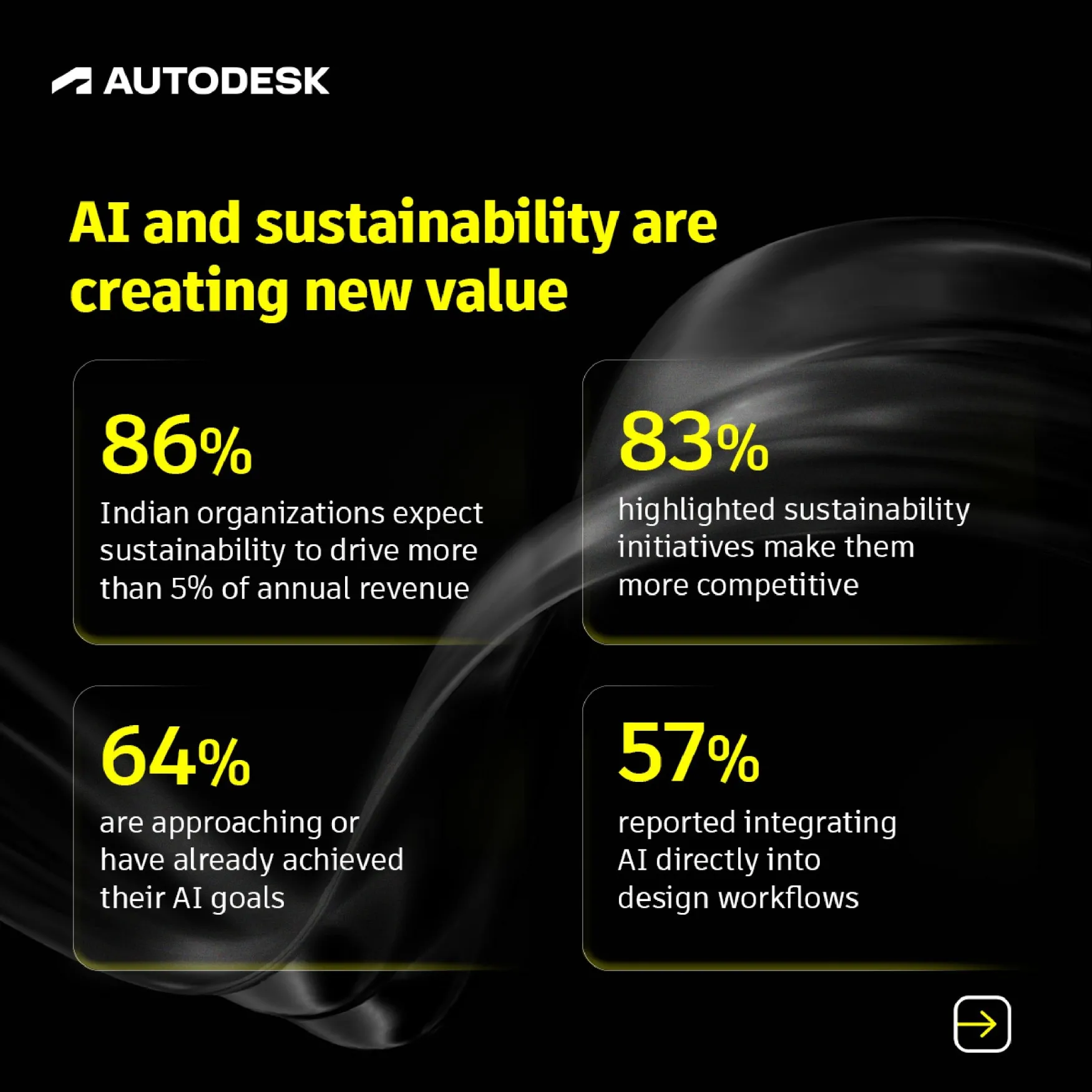
The report found that 64 per cent of Indian organisations are approaching or have achieved their current AI goals. While 88 per cent believe AI will enhance their industry, up from 78 per cent in 2025, 90 per cent expect it to make their industry more creative. Additionally, 85 per cent believe future company growth will depend on the use of digital tools, compared with 82 per cent in 2025.

AI adoption gathers pace
AI is increasingly being integrated into business workflows, with 57 per cent of Indian organisations using it in design processes such as generative design, simulation and content creation. Another 44 per cent are implementing AI-driven automation. To build the capabilities required for adoption, 58 per cent are investing in AI training and development, while 37 per cent are hiring for AI-related skills.
Confidence in AI has also increased. The proportion of organisations that trust AI technologies for their industry rose to 84 per cent from 79 per cent in 2025. Further, 86 per cent are confident their companies will make the right decisions regarding AI, while 83 per cent have dedicated personnel responsible for its integration.
Haresh Khoobchandani, APAC and Japan Vice President, Autodesk, said Indian businesses were moving beyond exploring AI's potential to identifying practical applications that improve productivity, accelerate innovation and support decision-making. He added that connected data, relevant skills and integration with existing workflows would be critical to translating adoption into long-term impact.

Digital transformation delivers business outcomes
The report found that 30 per cent of Indian organisations now prioritise digital transformation and invest aggressively in it, up from 28 per cent in 2025. Another 45 per cent have implemented initiatives and made substantial progress.
Among the reported benefits, 48 per cent of organisations cited improved productivity, while the same proportion reported increased innovation, better ideas or improved designs, up from 39 per cent in 2025. Additionally, 43 per cent said digital transformation had improved planning and decision-making, compared with 32 per cent in 2025, while 42 per cent reported improved profitability.
However, skills remain a challenge. Forty per cent of organisations cited a lack of technical knowledge or skills to implement digital solutions, while 36 per cent pointed to a shortage of trained workers. In response, 57 per cent are prioritising AI-related capabilities when hiring, followed by data safety and security skills at 49 per cent and data science and management skills at 47 per cent.
The report also found that 82 per cent of organisations have dedicated personnel to manage or centralise internal data, while 76 per cent are increasingly using application programming interfaces (APIs) to connect systems.

Sustainability gains business relevance
Sustainability is increasingly being linked to business value, with 86 per cent of Indian organisations expecting sustainability measures to generate more than 5 per cent of annual revenue in long-term business value. Of these, 33 per cent expect the contribution to be 10 per cent or more.
Half of the organisations surveyed have used AI to improve sustainability, while 47 per cent have invested in energy-efficient processes or machinery and 40 per cent have adopted circular practices through the use of recycled materials. Further, 83 per cent said sustainability initiatives made their companies more competitive.
The report is based on a survey of 462 respondents in India across architecture, engineering, construction and operations (AECO); design and manufacturing; and media and entertainment. The sample included 163 AECO respondents, 144 from design and manufacturing, and 155 from media and entertainment.

Read the full global 2026 State of Design & Make report: [Link]

Indian organisations are moving towards deeper integration of artificial intelligence (AI), digital technologies and sustainability into business operations, according to Autodesk’s 2026 State of Design & Make report. The fourth edition of the annual study highlights growing AI adoption, measurable outcomes from digital transformation and the role of sustainability in long-term business growth.The report found that 64 per cent of Indian organisations are approaching or have achieved their current AI goals. While 88 per cent believe AI will enhance their industry, up from 78 per cent in 2025, 90 per cent expect it to make their industry more creative. Additionally, 85 per cent believe future company growth will depend on the use of digital tools, compared with 82 per cent in 2025.AI adoption gathers paceAI is increasingly being integrated into business workflows, with 57 per cent of Indian organisations using it in design processes such as generative design, simulation and content creation. Another 44 per cent are implementing AI-driven automation. To build the capabilities required for adoption, 58 per cent are investing in AI training and development, while 37 per cent are hiring for AI-related skills.Confidence in AI has also increased. The proportion of organisations that trust AI technologies for their industry rose to 84 per cent from 79 per cent in 2025. Further, 86 per cent are confident their companies will make the right decisions regarding AI, while 83 per cent have dedicated personnel responsible for its integration.Haresh Khoobchandani, APAC and Japan Vice President, Autodesk, said Indian businesses were moving beyond exploring AI's potential to identifying practical applications that improve productivity, accelerate innovation and support decision-making. He added that connected data, relevant skills and integration with existing workflows would be critical to translating adoption into long-term impact.Digital transformation delivers business outcomesThe report found that 30 per cent of Indian organisations now prioritise digital transformation and invest aggressively in it, up from 28 per cent in 2025. Another 45 per cent have implemented initiatives and made substantial progress.Among the reported benefits, 48 per cent of organisations cited improved productivity, while the same proportion reported increased innovation, better ideas or improved designs, up from 39 per cent in 2025. Additionally, 43 per cent said digital transformation had improved planning and decision-making, compared with 32 per cent in 2025, while 42 per cent reported improved profitability.However, skills remain a challenge. Forty per cent of organisations cited a lack of technical knowledge or skills to implement digital solutions, while 36 per cent pointed to a shortage of trained workers. In response, 57 per cent are prioritising AI-related capabilities when hiring, followed by data safety and security skills at 49 per cent and data science and management skills at 47 per cent.The report also found that 82 per cent of organisations have dedicated personnel to manage or centralise internal data, while 76 per cent are increasingly using application programming interfaces (APIs) to connect systems.Sustainability gains business relevanceSustainability is increasingly being linked to business value, with 86 per cent of Indian organisations expecting sustainability measures to generate more than 5 per cent of annual revenue in long-term business value. Of these, 33 per cent expect the contribution to be 10 per cent or more.Half of the organisations surveyed have used AI to improve sustainability, while 47 per cent have invested in energy-efficient processes or machinery and 40 per cent have adopted circular practices through the use of recycled materials. Further, 83 per cent said sustainability initiatives made their companies more competitive.The report is based on a survey of 462 respondents in India across architecture, engineering, construction and operations (AECO); design and manufacturing; and media and entertainment. The sample included 163 AECO respondents, 144 from design and manufacturing, and 155 from media and entertainment.Read the full global 2026 State of Design & Make report: [Link]

Related Stories

Gold Stories

Next Story
Resources

Arisinfra Q2 FY27 Profit Rises 50% to Rs 228 Million

Arisinfra Solutions Limited (ARIS) reported a 50 per cent year-on-year increase in consolidated profit after tax (PAT) to Rs 228 million for Q2 FY27, marking its highest quarterly profit. Revenue from operations rose 28 per cent to Rs 3.08 billion, while EBITDA increased 58 per cent to Rs 356 million. The company also recorded its highest quarterly EBITDA margin of 11.6 per cent, compared with 9.3 per cent in the corresponding period last year.For the first half of FY27, revenue grew 32 per cent to Rs 5.99 billion, while PAT more than doubled to Rs 429 million from Rs 204 million in H1 FY26. E..
Next Story
Products

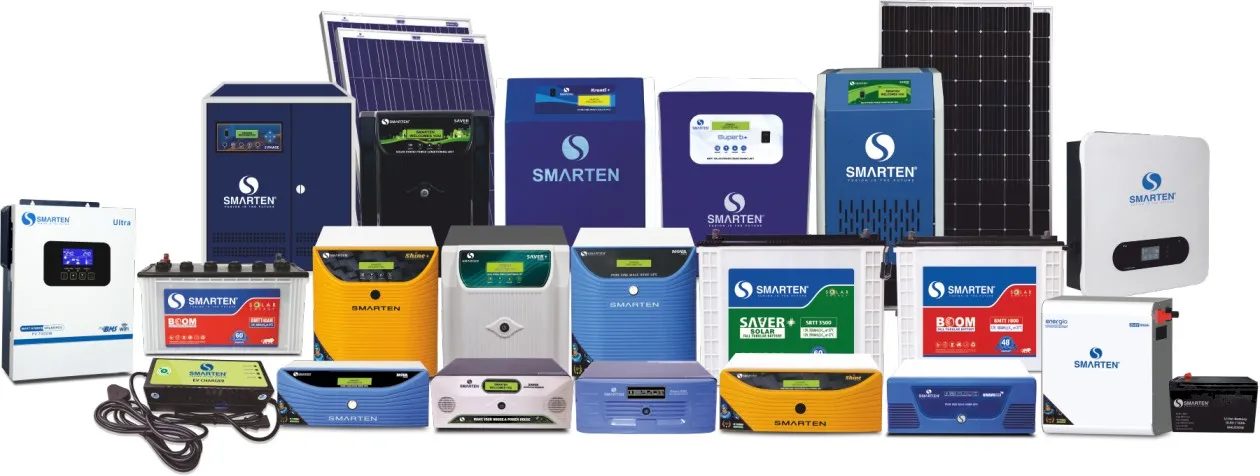
Smarten Power Systems H1 revenue rises 77 per cent to Rs 2.05 billion

Smarten Power Systems reported a 77.4 per cent year-on-year increase in consolidated revenue from operations to Rs 2.05 billion in H1 FY27, compared with Rs 1.15 billion in the corresponding period last year.Consolidated profit after tax (PAT) rose 103.8 per cent to Rs 119.9 million, against Rs 58.8 million in H1 FY26. Profit before tax (PBT) increased 111.9 per cent to Rs 158.3 million from Rs 74.7 million. Earnings per share stood at Rs 6.31, compared with Rs 3.09 a year earlier.On a standalone basis, revenue from operations grew 87 per cent to Rs 2.01 billion from Rs 1.08 billion in H1 FY26..

Next Story
Products

Godrej launches face recognition home locker and video door phone

Godrej Enterprises Group has launched two residential security products with facial recognition technology: the NX Pro Ncrypt Home Locker and the SEETHRU Third-i Multi Apartment Video Door Phone. The products extend facial authentication to individual homes and residential communities.The NX Pro Ncrypt Home Locker combines facial recognition with fingerprint authentication and digital PIN access. It uses encrypted facial templates secured through 128-bit AES encryption and infrared-enabled recognition. The locker can store up to 19 facial profiles, 49 fingerprints and 19 user codes.The SEETHRU..

Advertisement

Subscribe to Our Newsletter

Get daily newsletters around different themes from Construction world.

STAY CONNECTED

Advertisement

SPECIAL OFFER
QR Code