ANSCER Robotics Unveils 1,000 kg Autonomous Turntable Robot
ECONOMY & POLICY

ANSCER Robotics Unveils 1,000 kg Autonomous Turntable Robot

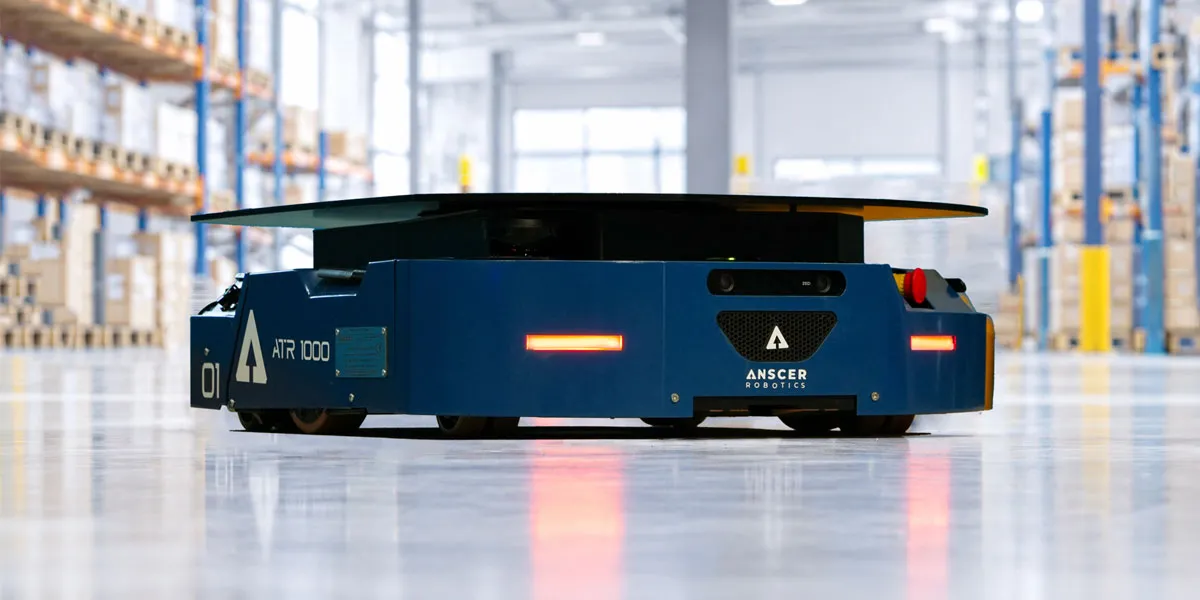
ANSCER Robotics has unveiled the ATR 1000, an autonomous turntable robot designed to lift, rotate and transport loads of up to 1,000 kg. The company describes it as the most compact robot globally in its payload category. It has a footprint of less than one square metre and a turning diameter of 1,020 mm.

The robot is designed to help manufacturers automate material movement between production processes, where transfers may still depend on manual handling. Its compact dimensions are intended to suit facilities with narrow aisles, closely positioned equipment and changing workflows. A maximum travel speed of 1.5 m/s and autonomous charging support its operation.

The ATR 1000’s turntable rotates loads through 360 degrees and can dock at specific angles. This allows operators to access multiple faces of a load at one station and deliver materials in the orientation needed for the next process, including at assembly lines and workstations.

Applications include case picking, goods-to-person workflows, line-side delivery and replenishment, work-in-progress transport, trolley handling, empty-bin returns, scrap removal and point-to-point transport. ANSCER’s fleet-management software can coordinate the robot with other robots and connect it to factory workflows.

SLAM-based navigation allows the robot to move without physical tracks or guidance tape; QR-based navigation is also available. For shared environments, it uses 360-degree LiDAR-based collision prevention and adaptive safety zones, alongside visual indicators and audible alarms.

The company says the safety architecture is designed to meet Performance Level d, Category 3 requirements, with safety functions developed in accordance with ISO 3691-4. Its design also addresses applicable requirements of ISO 13849-1, ISO 12100, ANSI/RIA R15.08-1 and EN 1175, alongside site-specific risk assessment and integration measures.

ANSCER said the ATR 1000 draws on experience from more than 100 robot deployments and over two million autonomous material-movement trips. 

ANSCER Robotics has unveiled the ATR 1000, an autonomous turntable robot designed to lift, rotate and transport loads of up to 1,000 kg. The company describes it as the most compact robot globally in its payload category. It has a footprint of less than one square metre and a turning diameter of 1,020 mm.The robot is designed to help manufacturers automate material movement between production processes, where transfers may still depend on manual handling. Its compact dimensions are intended to suit facilities with narrow aisles, closely positioned equipment and changing workflows. A maximum travel speed of 1.5 m/s and autonomous charging support its operation.The ATR 1000’s turntable rotates loads through 360 degrees and can dock at specific angles. This allows operators to access multiple faces of a load at one station and deliver materials in the orientation needed for the next process, including at assembly lines and workstations.Applications include case picking, goods-to-person workflows, line-side delivery and replenishment, work-in-progress transport, trolley handling, empty-bin returns, scrap removal and point-to-point transport. ANSCER’s fleet-management software can coordinate the robot with other robots and connect it to factory workflows.SLAM-based navigation allows the robot to move without physical tracks or guidance tape; QR-based navigation is also available. For shared environments, it uses 360-degree LiDAR-based collision prevention and adaptive safety zones, alongside visual indicators and audible alarms.The company says the safety architecture is designed to meet Performance Level d, Category 3 requirements, with safety functions developed in accordance with ISO 3691-4. Its design also addresses applicable requirements of ISO 13849-1, ISO 12100, ANSI/RIA R15.08-1 and EN 1175, alongside site-specific risk assessment and integration measures.ANSCER said the ATR 1000 draws on experience from more than 100 robot deployments and over two million autonomous material-movement trips. 

Related Stories

Gold Stories

Next Story
Infrastructure Urban

Welspun One unveils Diwali campaign for World Trade Center Thane

Welspun One has unveiled A Dream Diwali, a festive brand film promoting World Trade Center Thane, its proposed mixed-use development in the Mumbai Metropolitan Region (MMR). The campaign uses individual interpretations of an ideal Diwali to introduce the experiences and offerings planned at the development.The film follows different characters as they share their festive wishes and go about activities such as shopping, meeting friends, playing games and spending time with family. Through these everyday moments, the campaign presents the idea that celebrations are personal and that different ge..
Next Story
Equipment

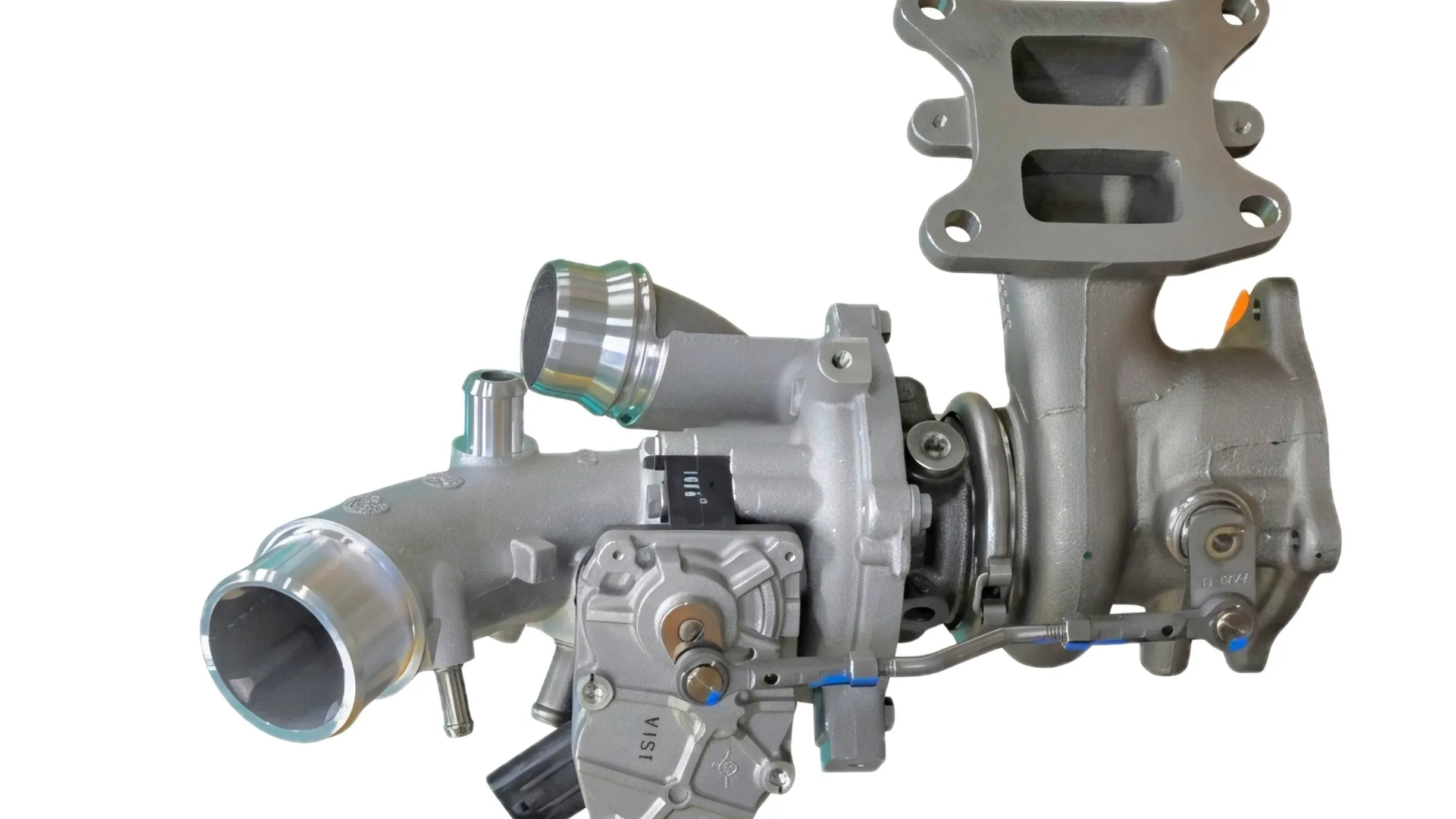
BorgWarner secures three turbocharger contracts with global powertrain leader

BorgWarner has secured three new turbocharger contracts with a global powertrain technology company. The wins comprise one contract for its variable turbine geometry (VTG) turbocharger and two for its wastegate turbocharger. The technologies will be deployed in the customer's light-vehicle gasoline platforms in South America and Europe, with production scheduled to begin in 2027.The VTG turbochargers are designed for gasoline engines operating under demanding conditions and high-boost pressure requirements. They are engineered to support Miller-cycle engines and withstand exhaust temperatures ..
Next Story
Infrastructure Transport

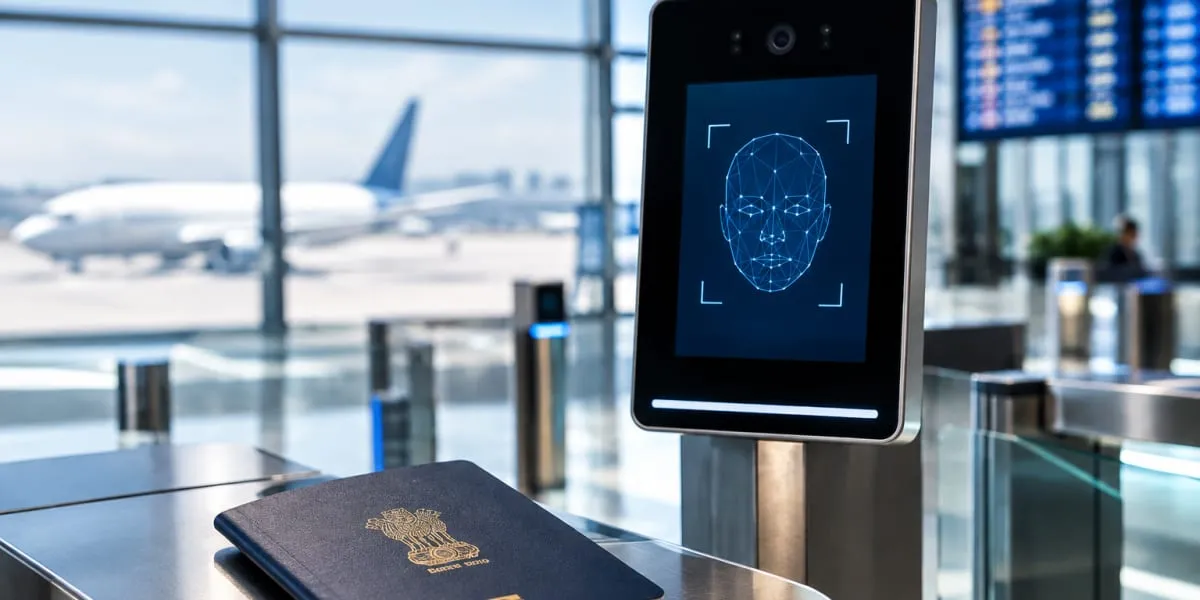
International Digi Yatra Trials Begin at Seven Airports

India has begun trials of Digi Yatra for international passengers at seven airports, allowing eligible Indian passport holders to use facial recognition at selected airport checkpoints. The facility is currently limited to Indian nationals with e-passports travelling on selected international flights operated by Air India and IndiGo. The Civil Aviation Ministry announced the trials on 1 November, with testing scheduled through December 2026. A wider rollout is expected in 2027 after the ministry assesses passenger feedback gathered during the trial period, according to PTI. The system is inten..

Advertisement

Subscribe to Our Newsletter

Get daily newsletters around different themes from Construction world.

STAY CONNECTED

Advertisement

SPECIAL OFFER
QR Code