BorgWarner supplies Polestar BEV SUVs with electric torque vectoring
ECONOMY & POLICY

BorgWarner supplies Polestar BEV SUVs with electric torque vectoring

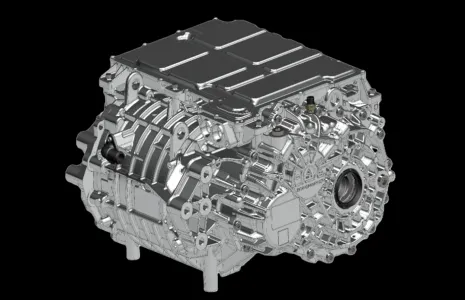
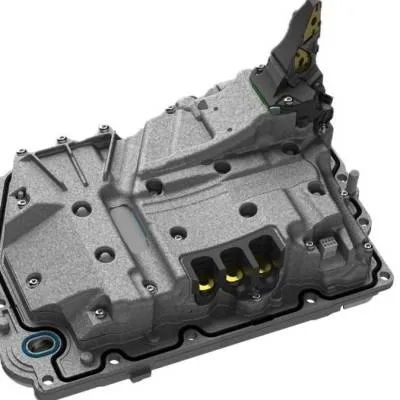
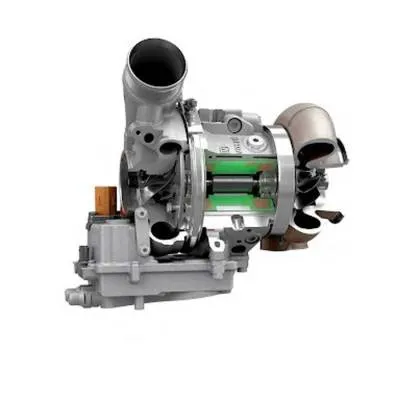
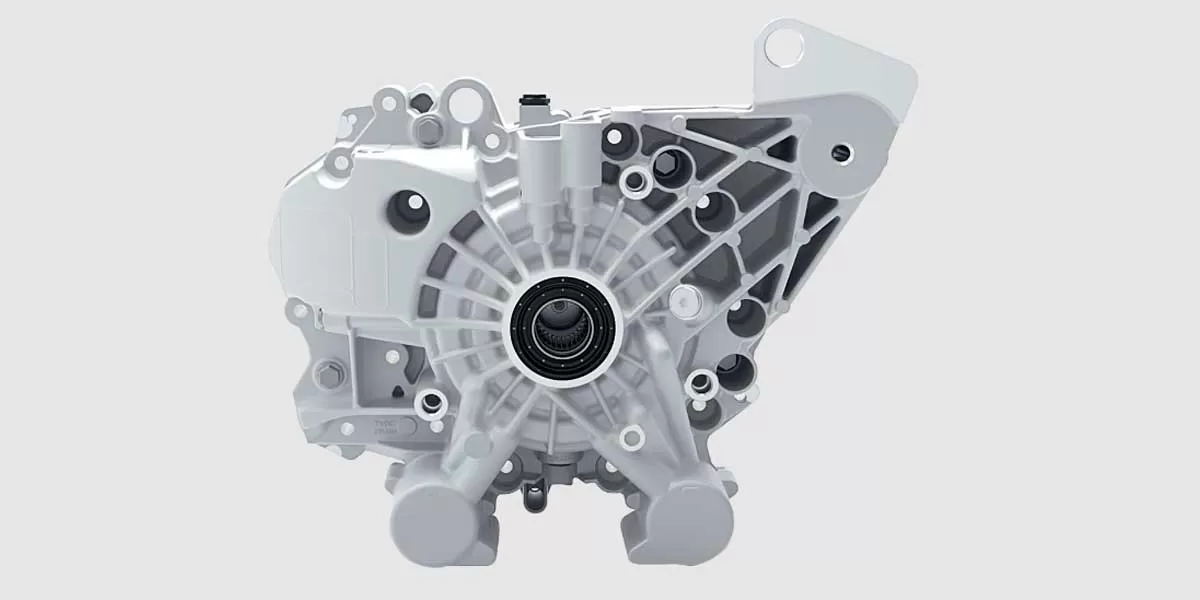
BorgWarner is first-to-market with its electric Torque Vectoring and Disconnect (eTVD) system for battery electric vehicles (BEVs) with launches for Polestar and an additional major European OEM. The eTVD is part of BorgWarner"s electric torque management system (eTMS) solutions portfolio, which is designed to intelligently control wheel torque to increase stability, provide superior dynamic performance, and improve traction during launch and acceleration. The eTVD is currently in production on the Polestar 3 SUV, and production for the major European OEM will follow later this year. "Our new electric vehicle torque management systems showcase our multidisciplinary expertise, system integration capabilities, and the exceptional work of our BorgWarner team," said Volker Weng, Vice President of BorgWarner Inc. and President and General Manager, BorgWarner Drivetrain and Battery Systems. "With the market transitioning to more software-defined modules and vehicles, it is critical to have sophisticated systems in place, like our eTVD, that can precisely and quickly calculate, predict and control vehicle behavior across a wide range of situations. We have received exceptionally positive feedback from customers regarding their test drive experiences and look forward to addressing further market needs with our software, controls, and calibration expertise."

The high performing eTVD offers a 3-in-1 system, replacing the differential and featuring both torque vectoring and an on-demand disconnect function. In contrast to brake-based systems, torque vectoring prevents unnecessary brake interventions, therefore reducing harshness and vibration. This also leads to less wear and tear on brakes and tires, with the added benefit of lower particle emissions.

BorgWarner's eTVD systems offer high-level software and controls that can be customized by OEMs to align with their own platform needs and specific brand characteristics.

The higher weight of BEVs can reduce agility, but BorgWarner's eTVD systems enable a much lighter feel of the vehicle while increasing overall safety. Smart design and intuitive software minimize the risk of undesired driving characteristics and enable superior traction regardless of road and weather conditions. Torque response is instantaneous in challenging and demanding scenarios, ensuring smooth, safe rides.

BorgWarner is first-to-market with its electric Torque Vectoring and Disconnect (eTVD) system for battery electric vehicles (BEVs) with launches for Polestar and an additional major European OEM. The eTVD is part of BorgWarners electric torque management system (eTMS) solutions portfolio, which is designed to intelligently control wheel torque to increase stability, provide superior dynamic performance, and improve traction during launch and acceleration. The eTVD is currently in production on the Polestar 3 SUV, and production for the major European OEM will follow later this year. Our new electric vehicle torque management systems showcase our multidisciplinary expertise, system integration capabilities, and the exceptional work of our BorgWarner team, said Volker Weng, Vice President of BorgWarner Inc. and President and General Manager, BorgWarner Drivetrain and Battery Systems. With the market transitioning to more software-defined modules and vehicles, it is critical to have sophisticated systems in place, like our eTVD, that can precisely and quickly calculate, predict and control vehicle behavior across a wide range of situations. We have received exceptionally positive feedback from customers regarding their test drive experiences and look forward to addressing further market needs with our software, controls, and calibration expertise. The high performing eTVD offers a 3-in-1 system, replacing the differential and featuring both torque vectoring and an on-demand disconnect function. In contrast to brake-based systems, torque vectoring prevents unnecessary brake interventions, therefore reducing harshness and vibration. This also leads to less wear and tear on brakes and tires, with the added benefit of lower particle emissions. BorgWarner's eTVD systems offer high-level software and controls that can be customized by OEMs to align with their own platform needs and specific brand characteristics. The higher weight of BEVs can reduce agility, but BorgWarner's eTVD systems enable a much lighter feel of the vehicle while increasing overall safety. Smart design and intuitive software minimize the risk of undesired driving characteristics and enable superior traction regardless of road and weather conditions. Torque response is instantaneous in challenging and demanding scenarios, ensuring smooth, safe rides.

Next Story
Real Estate

AI: The New Recruit

From getting ideas to evaluating designs, presenting concepts to clients and tracking projects, artificial intelligence (AI) is helping architects work better and faster.“AI allows architects to spend more time doing what only they can do: think critically, synthesise complexity and design with intent,” says Dikshu C Kukreja, Managing Principal, CP Kukreja Architects. “Every minute reclaimed from repetitive processes can be invested in creativity, contextual understanding, interdisciplinary collaboration and innovation – the qualities that define meaningful architecture.”To read the ..

Next Story
Real Estate

Redevelopment 2.0

In 2017, Mumbai identified 160,000 ageing buildings due for structural audit. Close to half of these were in the Western Suburbs. Redeveloping the oldest and structurally weakest of these would help unlock new housing, much needed given the city’s growing population density and constant developed area of 437.7 sq km. At 30,600 people per sq km in 2024, Mumbai’s density was almost thrice that of Gurugram, and 60 per cent higher than Bengaluru’s.Essentially, Mumbai’s realty market has demand. It has capital. It has realty development potential.Fast forward to 2026. Mumbai has 1,094 regis..

Next Story
Technology

Cost intelligence will become a strategic contributor to project success

As India's construction industry accelerates its digital transformation, integrated platforms, AI and connected data are becoming essential to improving cost certainty, project efficiency and sustainability. Ravi Kumar, Sales Director – India, RIB Software India, shares how digital workflows are reshaping project planning, commercial management and decision-making across the construction value chain.India's construction sector is embracing digital technologies at an unprecedented pace. From your perspective, what are the biggest shifts driving this transformation and how is RIB Software enab..

Advertisement

Subscribe to Our Newsletter

Get daily newsletters around different themes from Construction world.

STAY CONNECTED

Advertisement

Advertisement

Advertisement