Budget 2025-26: Industry reactions
ECONOMY & POLICY

Budget 2025-26: Industry reactions

Union Finance Minister, Nirmala Sitharaman announced Budget 2025-26 today. The government has planned a number of strategic initiatives which will drive inclusive growth, boost economic growth and provide an impetus to to India’s competitive edge on the global stage.

Here’s what industry has to say about various announcements and initiatives announced in the budget:

Real Estate
“The Union Budget 2025 is a game-changer, reinforcing India's commitment to inclusive and sustainable urban growth. The SWAMIH Fund 2 with Rs 15,000 crore will accelerate the completion of stalled housing projects, bringing relief to over one lakh homebuyers. The ₹1 lakh crore Urban Challenge Fund will play a pivotal role in transforming cities into vibrant growth hubs, ensuring balanced regional development.

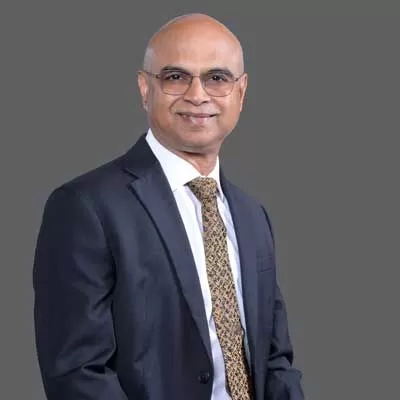
The masterstroke of direct tax reform—exempting income up to Rs 12 lakh—will significantly boost disposable income, increasing affordability for homebuyers and driving real estate demand. Additionally, the government's thrust on PPP-driven infrastructure with a structured three-year project pipeline will accelerate urban expansion, unlocking new opportunities for real estate and housing. These progressive reforms align with India’s vision of 'Sabka Vikas', fostering a robust ecosystem for homebuyers, developers, and investors alike.” - Pradeep Aggarwal, Chairman, Signature Global (India) 

"The central government has introduced a budget focused on fostering inclusive growth. However, it has largely overlooked several demands of the real estate sector. On a positive note, raising the tax exemption threshold from Rs 7 lakh to Rs 12 lakh will enhance individuals' surplus income, potentially boosting investment opportunities for prospective home buyers. We urge the Government to consider the longstanding asks of the real estate sector in the coming months.” - Mohan Raju, MD and CEO, Kalyani Developers.

“The recent budget introduces much-needed relief, particularly with the zero-tax provision on annual incomes up to Rs 12 lakh—a move that enhances disposable income and is expected to support homebuyers. Additionally, the allocation of Rs 15,000 crore under the SWAMIH Fund for completing 1 lakh stalled housing units is a significant intervention, providing relief to buyers impacted by delayed projects and supporting supply-side stakeholders.

However, additional measures could have further strengthened the sector. Increasing home loan deduction limits would have improved financing accessibility, particularly for first-time homebuyers and end-users. This could have enhanced affordability, eased credit constraints, reduced tax liabilities, and contributed towards meeting the projected demand of 93 million housing units by 2036.” - Piyush Bothra, Co-Founder and CFO, Square Yards

Logistics
“The introduction of Bharat Trade Net, a digital public infrastructure for international trade, will revolutionize India’s logistics sector by streamlining trade documentation and financing. By creating a unified platform, it will enhance efficiency, reduce delays, and provide seamless support for global supply chains. This initiative will not only simplify cross-border transactions but also foster greater connectivity with international markets, driving India’s competitiveness on the global stage. As a result, India’s logistics sector will experience faster growth, increased trade volume, and stronger global integration.”- Arshdeep Singh Mundi, Executive Director, Jujhar Group

“The Union Budget 2025 takes necessary steps toward strengthening India’s logistics and maritime sectors, but execution will determine its real impact. Expanding shipbuilding capacity and setting up a Rs 25,000 crore Maritime Development Fund are important, but without solving inefficiencies in container movement, intermodal logistics, and supply chain integration, infrastructure growth alone won’t drive meaningful progress. Reducing empty miles, improving cargo transitions, and integrating digital freight solutions must be a priority to make these investments effective.

The introduction of BharatTradeNet as a unified trade platform has the potential to enhance transparency and digitization in global trade. However, its success will depend on how seamlessly it integrates with existing digital logistics networks and promotes real-time data sharing across stakeholders. Additionally, the focus on Alternate Investment Funds (AIFs) and a potential Deep Tech Fund of Funds is a step in the right direction for startups working on supply chain optimisation. A streamlined regulatory framework and a High-Level Committee for Regulatory Reforms could help remove long-standing operational bottlenecks.

For India’s logistics ecosystem to evolve, policies must go beyond infrastructure investment and prioritise systemic efficiency, sustainability, and technology-driven solutions.” - Dhruv Taneja, Founder and CEO, MatchLog Solutions 

MSME
“The budget has provided a significant boost to the MSME sector by significantly raising the thresholds for capital investment and turnover criteria for classification as Micro, Small, or Medium enterprises. Combined with the enhanced credit guarantee scheme, this move is expected to drive increased capital investment. This would help MSMEs to modernise and expand their operations. Improved credit flow for startups is also a very welcome move. With the personal tax burden also coming down sharply, the increased consumption power should also help increase the overall demand for goods and services from MSMEs” - K V Srinivasan, Executive Director and CEO, Profectus Capital 

(Note: This is a developing story. Stay tuned for more updates.)

Union Finance Minister, Nirmala Sitharaman announced Budget 2025-26 today. The government has planned a number of strategic initiatives which will drive inclusive growth, boost economic growth and provide an impetus to to India’s competitive edge on the global stage.Here’s what industry has to say about various announcements and initiatives announced in the budget:Real Estate“The Union Budget 2025 is a game-changer, reinforcing India's commitment to inclusive and sustainable urban growth. The SWAMIH Fund 2 with Rs 15,000 crore will accelerate the completion of stalled housing projects, bringing relief to over one lakh homebuyers. The ₹1 lakh crore Urban Challenge Fund will play a pivotal role in transforming cities into vibrant growth hubs, ensuring balanced regional development.The masterstroke of direct tax reform—exempting income up to Rs 12 lakh—will significantly boost disposable income, increasing affordability for homebuyers and driving real estate demand. Additionally, the government's thrust on PPP-driven infrastructure with a structured three-year project pipeline will accelerate urban expansion, unlocking new opportunities for real estate and housing. These progressive reforms align with India’s vision of 'Sabka Vikas', fostering a robust ecosystem for homebuyers, developers, and investors alike.” - Pradeep Aggarwal, Chairman, Signature Global (India) The central government has introduced a budget focused on fostering inclusive growth. However, it has largely overlooked several demands of the real estate sector. On a positive note, raising the tax exemption threshold from Rs 7 lakh to Rs 12 lakh will enhance individuals' surplus income, potentially boosting investment opportunities for prospective home buyers. We urge the Government to consider the longstanding asks of the real estate sector in the coming months.” - Mohan Raju, MD and CEO, Kalyani Developers.“The recent budget introduces much-needed relief, particularly with the zero-tax provision on annual incomes up to Rs 12 lakh—a move that enhances disposable income and is expected to support homebuyers. Additionally, the allocation of Rs 15,000 crore under the SWAMIH Fund for completing 1 lakh stalled housing units is a significant intervention, providing relief to buyers impacted by delayed projects and supporting supply-side stakeholders.However, additional measures could have further strengthened the sector. Increasing home loan deduction limits would have improved financing accessibility, particularly for first-time homebuyers and end-users. This could have enhanced affordability, eased credit constraints, reduced tax liabilities, and contributed towards meeting the projected demand of 93 million housing units by 2036.” - Piyush Bothra, Co-Founder and CFO, Square YardsLogistics“The introduction of Bharat Trade Net, a digital public infrastructure for international trade, will revolutionize India’s logistics sector by streamlining trade documentation and financing. By creating a unified platform, it will enhance efficiency, reduce delays, and provide seamless support for global supply chains. This initiative will not only simplify cross-border transactions but also foster greater connectivity with international markets, driving India’s competitiveness on the global stage. As a result, India’s logistics sector will experience faster growth, increased trade volume, and stronger global integration.”- Arshdeep Singh Mundi, Executive Director, Jujhar Group“The Union Budget 2025 takes necessary steps toward strengthening India’s logistics and maritime sectors, but execution will determine its real impact. Expanding shipbuilding capacity and setting up a Rs 25,000 crore Maritime Development Fund are important, but without solving inefficiencies in container movement, intermodal logistics, and supply chain integration, infrastructure growth alone won’t drive meaningful progress. Reducing empty miles, improving cargo transitions, and integrating digital freight solutions must be a priority to make these investments effective.The introduction of BharatTradeNet as a unified trade platform has the potential to enhance transparency and digitization in global trade. However, its success will depend on how seamlessly it integrates with existing digital logistics networks and promotes real-time data sharing across stakeholders. Additionally, the focus on Alternate Investment Funds (AIFs) and a potential Deep Tech Fund of Funds is a step in the right direction for startups working on supply chain optimisation. A streamlined regulatory framework and a High-Level Committee for Regulatory Reforms could help remove long-standing operational bottlenecks.For India’s logistics ecosystem to evolve, policies must go beyond infrastructure investment and prioritise systemic efficiency, sustainability, and technology-driven solutions.” - Dhruv Taneja, Founder and CEO, MatchLog Solutions MSME“The budget has provided a significant boost to the MSME sector by significantly raising the thresholds for capital investment and turnover criteria for classification as Micro, Small, or Medium enterprises. Combined with the enhanced credit guarantee scheme, this move is expected to drive increased capital investment. This would help MSMEs to modernise and expand their operations. Improved credit flow for startups is also a very welcome move. With the personal tax burden also coming down sharply, the increased consumption power should also help increase the overall demand for goods and services from MSMEs” - K V Srinivasan, Executive Director and CEO, Profectus Capital (Note: This is a developing story. Stay tuned for more updates.)

Next Story
Real Estate

RBI Rate Cut Boosts Confidence Across Housing Market

Industry Context and Market DynamicsThe real estate industry has welcomed the RBI’s rate cut as a timely boost to affordability and demand. With home prices having risen steadily across major markets, even a marginal reduction in interest rates meaningfully strengthens purchasing power, especially for first-time and mid-income buyers.Ashish Jerath, President – Sales & Marketing, Smartworld Developers, observes:“The RBI’s 25-basis-point cut, bringing the repo rate down to 5.25%, is a timely boost for the real estate sector. Lower interest rates reduce borrowing costs, enabling homeb..

Next Story
Infrastructure Transport

BMC Resumes Rs 170 Billion Road Works, Targets 80 per cent By Jan 2026

Following the withdrawal of the southwest monsoon in October, the Brihanmumbai Municipal Corporation (BMC) has restarted work on 645 roads—covering 297.49 kilometres—under its large-scale concretisation programme. Data shows that more than 60 per cent of the resumed works are located in the western suburbs. Officials said the civic body aims to complete concretisation on 80 per cent of the roads where fresh work has begun by January 2026. Launched in 2022, the Rs 170 billion project seeks to concretise 700 kilometres of roads across Mumbai. All civil works were halted during the monsoon ..

Next Story
Infrastructure Urban

India Pushes Digital Shift In Urban Land Mapping

The Department of Land Resources (DoLR) under the Ministry of Rural Development has convened a National Symposium on NAKSHA – the National Geospatial Knowledge-based Land Survey of Urban Habitations – to advance India’s transition to modern, technology-driven land mapping. Speaking at the inaugural session, Secretary Manoj Joshi underscored the urgent need to move revenue departments away from outdated, tape-based methods and rough hand-drawn sketches. He stressed that adopting latitude–longitude-based digital mapping and GIS-linked registration systems is essential for economic stabi..

Advertisement

Subscribe to Our Newsletter

Get daily newsletters around different themes from Construction world.

STAY CONNECTED

Advertisement

Advertisement

Advertisement

Advertisement

Open In App