Cabinet Clears Rs 72.80 bn Scheme for REPM Manufacturing
ECONOMY & POLICY

Cabinet Clears Rs 72.80 bn Scheme for REPM Manufacturing

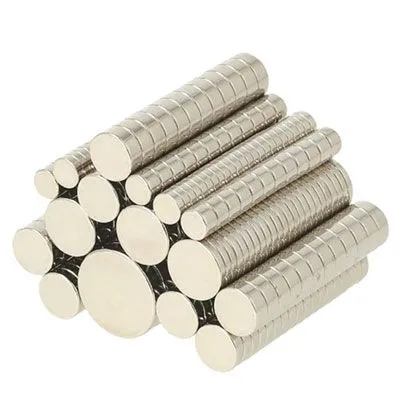
The Union Cabinet has approved a Rs 72.80 billion scheme to promote the manufacturing of sintered Rare Earth Permanent Magnets (REPM) in India, marking the country’s first integrated initiative to develop a domestic REPM ecosystem. The programme aims to establish 6,000 MTPA of manufacturing capacity through facilities covering the entire value chain—from rare earth oxides to finished magnets. The move seeks to strengthen supply chains for sectors such as electric mobility, aerospace, defence, renewable energy and electronics, where REPMs are critical.

India’s magnet consumption is projected to double by 2030, yet the country remains dependent on imports. The scheme includes Rs 64.5 billion in sales-linked incentives over five years and Rs 7.5 billion as capital subsidy to develop an aggregate production capacity of 6,000 MTPA, to be allocated to up to five beneficiaries through global competitive bidding. The seven-year scheme includes a two-year gestation period and five years of incentive disbursal.

The initiative is expected to generate employment, bolster self-reliance and contribute to India’s Net Zero 2070 goals by enabling indigenous magnet manufacturing. The Government stated that the scheme aligns with the vision of Viksit Bharat @2047 and will enhance India's competitiveness in the global REPM market.

The Union Cabinet has approved a Rs 72.80 billion scheme to promote the manufacturing of sintered Rare Earth Permanent Magnets (REPM) in India, marking the country’s first integrated initiative to develop a domestic REPM ecosystem. The programme aims to establish 6,000 MTPA of manufacturing capacity through facilities covering the entire value chain—from rare earth oxides to finished magnets. The move seeks to strengthen supply chains for sectors such as electric mobility, aerospace, defence, renewable energy and electronics, where REPMs are critical. India’s magnet consumption is projected to double by 2030, yet the country remains dependent on imports. The scheme includes Rs 64.5 billion in sales-linked incentives over five years and Rs 7.5 billion as capital subsidy to develop an aggregate production capacity of 6,000 MTPA, to be allocated to up to five beneficiaries through global competitive bidding. The seven-year scheme includes a two-year gestation period and five years of incentive disbursal. The initiative is expected to generate employment, bolster self-reliance and contribute to India’s Net Zero 2070 goals by enabling indigenous magnet manufacturing. The Government stated that the scheme aligns with the vision of Viksit Bharat @2047 and will enhance India's competitiveness in the global REPM market.

Next Story
Infrastructure Urban

Rosatom Delivers Nuclear Fuel for Kudankulam Unit 3

Rosatom has recently supplied nuclear fuel for the initial loading of the VVER-1000 reactor core at Unit 3 of the Kudankulam Nuclear Power Plant, marking a key milestone in the second stage of the Russian-designed nuclear power project in southern India.The fuel was supplied by Rosatom’s Nuclear Fuel Division, managed by TVEL, and manufactured at the Novosibirsk Chemical Concentrates Plant. The delivery includes the initial reactor load along with reserve fuel assemblies and is part of a long-term contract covering the entire operational life of Units 3 and 4.Building on operational experien..

Next Story
Infrastructure Transport

CBL International Enables First LNG Bunkering at Xiaomo Port

CBL International recently completed the first-ever LNG bunkering operation at Xiaomo Port, supplying liquefied natural gas to vessels operated by BYD in support of its maritime decarbonisation strategy. The operation was facilitated through a physical supplier in collaboration with China National Offshore Oil Corporation (CNOOC), which supported the port’s inaugural LNG bunkering activity. The milestone represents a strategic expansion of CBL International's sustainable fuel offerings beyond biofuels, while also diversifying revenue streams. As global shipping intensifies efforts to cut em..

Next Story
Infrastructure Urban

Aimtron, Aurassure Partner for IoT Weather Systems

Aimtron Electronics has recently entered into an OEM manufacturing engagement with Aurassure to produce new-age, IoT-enabled weather and environmental monitoring systems in India. The collaboration supports the growing demand for real-time environmental intelligence across urban, industrial and infrastructure applications. The engagement comes as global focus on climate-risk management and data-driven planning accelerates. The global weather monitoring systems market, valued at around USD 2.1 billion in 2024, is projected to reach nearly USD 4.8 billion by 2034, driven by the rapid adoption o..

Advertisement

Subscribe to Our Newsletter

Get daily newsletters around different themes from Construction world.

STAY CONNECTED

Advertisement

Advertisement

Advertisement

Advertisement

Open In App