CBIC Launches Auto-Approval For IFSC Code Registrations
ECONOMY & POLICY

CBIC Launches Auto-Approval For IFSC Code Registrations

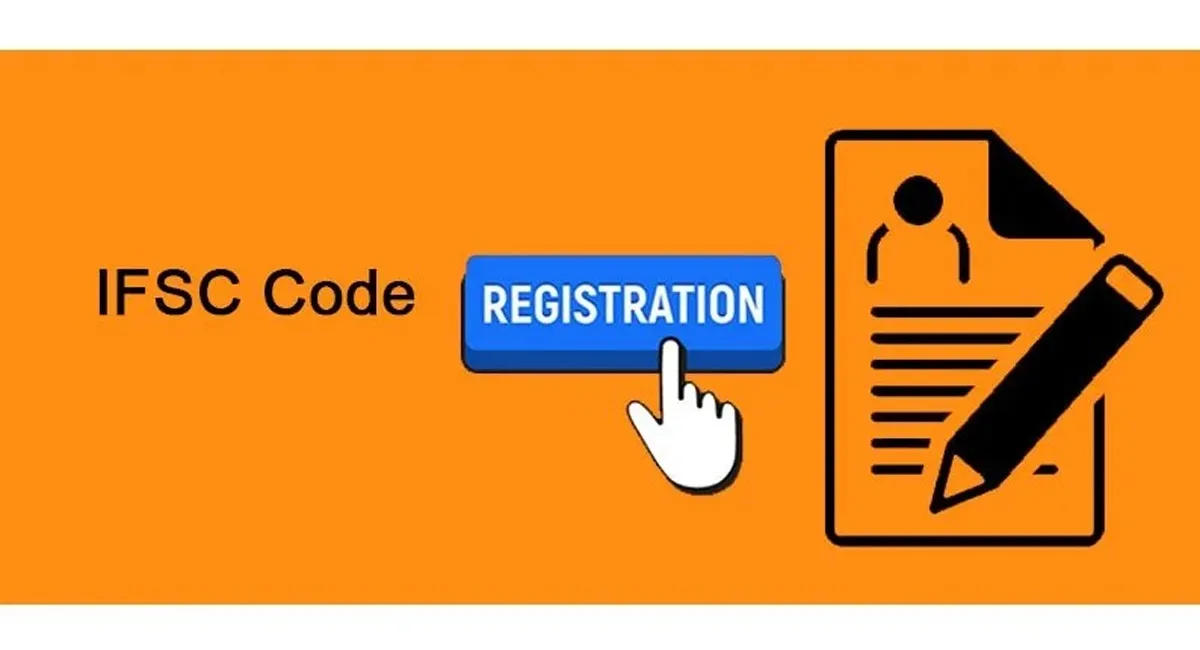
In a move to further streamline Customs procedures and enhance trade facilitation, the Central Board of Indirect Taxes and Customs (CBIC) has introduced system-based auto-approval for IFSC code registrations, marking another step towards improving the Ease of Doing Business in India.
Under the new system, the registration of the same incentive-linked bank account and IFSC code for a particular Importer Exporter Code (IEC) across multiple Customs locations will now be automatically approved, provided the combination has already been authorised at one port. This automation eliminates manual verification by port officers, ensuring faster approvals and smoother processing for exporters.

According to the CBIC, the initiative aims to:
  • Enable swift processing of bank account and IFSC code approvals,
  • Simplify registration procedures at multiple ports,
  • Ensure seamless credit of export incentives to exporters’ bank accounts, and
  • Improve overall trade efficiency.
Exporters receive export-related benefits in their declared bank accounts via the Customs Automated System. While online registration of Authorised Dealer (AD) Codes through ICEGATE already exists, exporters previously needed approval from Customs officers at each port for incentive-linked bank account and IFSC registrations. This process often led to duplication and delays, especially when the same account details were used across multiple Customs locations.
The new automated system addresses these inefficiencies by introducing centralised verification and approval, thereby reducing administrative burden and transaction costs.
CBIC reaffirmed its commitment to using technology to simplify Customs procedures and deliver a better experience for India’s trading community. “By reducing manual intervention, we aim to make international trade more efficient, transparent, and business-friendly,” the agency said in a statement. 

In a move to further streamline Customs procedures and enhance trade facilitation, the Central Board of Indirect Taxes and Customs (CBIC) has introduced system-based auto-approval for IFSC code registrations, marking another step towards improving the Ease of Doing Business in India.Under the new system, the registration of the same incentive-linked bank account and IFSC code for a particular Importer Exporter Code (IEC) across multiple Customs locations will now be automatically approved, provided the combination has already been authorised at one port. This automation eliminates manual verification by port officers, ensuring faster approvals and smoother processing for exporters.According to the CBIC, the initiative aims to:Enable swift processing of bank account and IFSC code approvals,Simplify registration procedures at multiple ports,Ensure seamless credit of export incentives to exporters’ bank accounts, andImprove overall trade efficiency.Exporters receive export-related benefits in their declared bank accounts via the Customs Automated System. While online registration of Authorised Dealer (AD) Codes through ICEGATE already exists, exporters previously needed approval from Customs officers at each port for incentive-linked bank account and IFSC registrations. This process often led to duplication and delays, especially when the same account details were used across multiple Customs locations.The new automated system addresses these inefficiencies by introducing centralised verification and approval, thereby reducing administrative burden and transaction costs.CBIC reaffirmed its commitment to using technology to simplify Customs procedures and deliver a better experience for India’s trading community. “By reducing manual intervention, we aim to make international trade more efficient, transparent, and business-friendly,” the agency said in a statement. 

Next Story
Infrastructure Urban

CFI Appoints New National Council for FY27 and FY28

The Construction Federation of India (CFI) has announced its newly elected National Council and office bearers for a two-year term covering FY27 and FY28. M. V. Satish, Advisor to CMD and Lead Ambassador for Middle East, L&T, has been elected President; Priti Patel, Chief Strategy & Growth Officer, Tata Projects, has been appointed Vice President; and Ajit Bhate, Managing Director, Precast India Infrastructures, has taken charge as Treasurer.The newly formed National Council brings together senior leaders from major EPC and infrastructure companies, reflecting CFI’s continued focus o..

Next Story
Real Estate

India REIT Market Gains Momentum with Strong Returns

India’s Real Estate Investment Trust (REIT) market is witnessing strong growth, emerging as a competitive investment avenue both domestically and across Asia. According to a recent ANAROCK report released at EXCELERATE 2026 by NAREDCO Maharashtra NextGen, the sector is evolving into a mature asset class driven by solid fundamentals, regulatory backing and rising investor confidence.The introduction of Small and Medium REITs (SM REITs) in 2025 has further widened access through fractional ownership, unlocking a potential monetisation opportunity of Rs 670–710 billion. Indian REITs have deli..

Next Story
Real Estate

Domicil Debuts In Tricity With Luxe 9 Showcase

Domicil Germany, a luxury home furnishing brand from the House of HTL International, has made its Tricity debut with an exclusive showcase at Luxe 9, marking its first retail presence in the region.The invite-only event brought together architects, interior designers, real estate developers and high-net-worth individuals, reflecting rising demand for globally inspired, design-led living spaces.Centred on the theme ‘Celebrate Living with Timeless German Design’, the showcase highlighted Domicil’s focus on combining craftsmanship, functionality and refined aesthetics. Attendees experienced..

Advertisement

Subscribe to Our Newsletter

Get daily newsletters around different themes from Construction world.

STAY CONNECTED

Advertisement

Advertisement

Advertisement