Centre Expands Support To MSMEs For Finance, Tech And Timely Payments
ECONOMY & POLICY

Centre Expands Support To MSMEs For Finance, Tech And Timely Payments

The Government of India has introduced a wide range of initiatives to strengthen Micro, Small and Medium Enterprises by improving access to finance, ensuring timely payments and accelerating technology adoption across the sector.

Under the Credit Guarantee Scheme for Micro and Small Enterprises, an additional Rs 90 billion has been infused into the Credit Guarantee Fund Trust to enable Rs 2 trillion of additional credit at reduced borrowing costs. The guarantee ceiling has been increased from Rs 50 million to Rs 100 million, with coverage of up to 90 per cent for eligible loans.

The Prime Minister’s Employment Generation Programme provides margin money subsidies of up to 35 per cent for new micro-enterprises in the non-farm sector, with project limits of Rs 50 million for manufacturing and Rs 20 million for services.

The PM Vishwakarma scheme, launched in September 2023, offers holistic assistance to artisans and craftspeople working in 18 traditional trades. It includes loans of up to Rs 3 million with interest subvention of up to 8 per cent.

To boost equity financing, the Government established the Self-Reliant India Fund, designed to inject Rs 500 billion into MSMEs. This includes Rs 100 billion in government contribution and Rs 400 billion from private equity and venture capital funds.

For payment-related challenges, the Ministry of MSME operates the SAMADHAAN Portal, launched in 2017 to monitor outstanding dues to MSEs. A total of 161 Micro & Small Enterprises Facilitation Councils have been set up nationwide. Additionally, an Online Dispute Resolution Portal, launched in June 2025, enables end-to-end digital settlement of delayed payment cases.

The Reserve Bank of India has also strengthened the Trade Receivables Discounting System (TReDS), which facilitates financing of MSME receivables through multiple lenders. Five entities currently operate TReDS, and the onboarding turnover threshold for corporates and CPSEs has been lowered to Rs 2.5 billion.

To support technology upgradation, the Ministry is implementing schemes such as the MSE Cluster Development Programme, Tool Rooms and Technology Centres, the GIFT Scheme for green investment, and the MSME Champions Scheme.

To reduce regulatory burden and improve ease of doing business, several interventions have been made. The Udyam Registration Portal, launched in 2020, provides a fully digital, paperless and self-declaration-based registration system. In partnership with SIDBI, the Udyam Assist Platform was launched in January 2023 to formalise Informal Micro Enterprises and extend priority sector lending benefits to them.

Further, compliance requirements under the Public Procurement Policy for MSEs were eased through amendments in August 2021. The National Single Window System, developed by DPIIT, now integrates clearance and regulatory systems across Central Ministries and State Governments to simplify business processes.

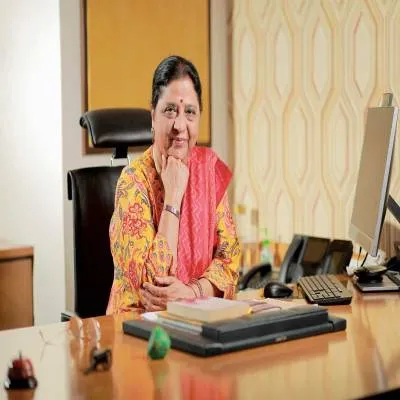
This information was given by the Minister of State for Micro, Small and Medium Enterprises, Sushri Shobha Karandlaje, in a written reply in the Rajya Sabha.

The Government of India has introduced a wide range of initiatives to strengthen Micro, Small and Medium Enterprises by improving access to finance, ensuring timely payments and accelerating technology adoption across the sector. Under the Credit Guarantee Scheme for Micro and Small Enterprises, an additional Rs 90 billion has been infused into the Credit Guarantee Fund Trust to enable Rs 2 trillion of additional credit at reduced borrowing costs. The guarantee ceiling has been increased from Rs 50 million to Rs 100 million, with coverage of up to 90 per cent for eligible loans. The Prime Minister’s Employment Generation Programme provides margin money subsidies of up to 35 per cent for new micro-enterprises in the non-farm sector, with project limits of Rs 50 million for manufacturing and Rs 20 million for services. The PM Vishwakarma scheme, launched in September 2023, offers holistic assistance to artisans and craftspeople working in 18 traditional trades. It includes loans of up to Rs 3 million with interest subvention of up to 8 per cent. To boost equity financing, the Government established the Self-Reliant India Fund, designed to inject Rs 500 billion into MSMEs. This includes Rs 100 billion in government contribution and Rs 400 billion from private equity and venture capital funds. For payment-related challenges, the Ministry of MSME operates the SAMADHAAN Portal, launched in 2017 to monitor outstanding dues to MSEs. A total of 161 Micro & Small Enterprises Facilitation Councils have been set up nationwide. Additionally, an Online Dispute Resolution Portal, launched in June 2025, enables end-to-end digital settlement of delayed payment cases. The Reserve Bank of India has also strengthened the Trade Receivables Discounting System (TReDS), which facilitates financing of MSME receivables through multiple lenders. Five entities currently operate TReDS, and the onboarding turnover threshold for corporates and CPSEs has been lowered to Rs 2.5 billion. To support technology upgradation, the Ministry is implementing schemes such as the MSE Cluster Development Programme, Tool Rooms and Technology Centres, the GIFT Scheme for green investment, and the MSME Champions Scheme. To reduce regulatory burden and improve ease of doing business, several interventions have been made. The Udyam Registration Portal, launched in 2020, provides a fully digital, paperless and self-declaration-based registration system. In partnership with SIDBI, the Udyam Assist Platform was launched in January 2023 to formalise Informal Micro Enterprises and extend priority sector lending benefits to them. Further, compliance requirements under the Public Procurement Policy for MSEs were eased through amendments in August 2021. The National Single Window System, developed by DPIIT, now integrates clearance and regulatory systems across Central Ministries and State Governments to simplify business processes. This information was given by the Minister of State for Micro, Small and Medium Enterprises, Sushri Shobha Karandlaje, in a written reply in the Rajya Sabha.

Next Story
Infrastructure Urban

Rosatom Delivers Nuclear Fuel for Kudankulam Unit 3

Rosatom has recently supplied nuclear fuel for the initial loading of the VVER-1000 reactor core at Unit 3 of the Kudankulam Nuclear Power Plant, marking a key milestone in the second stage of the Russian-designed nuclear power project in southern India.The fuel was supplied by Rosatom’s Nuclear Fuel Division, managed by TVEL, and manufactured at the Novosibirsk Chemical Concentrates Plant. The delivery includes the initial reactor load along with reserve fuel assemblies and is part of a long-term contract covering the entire operational life of Units 3 and 4.Building on operational experien..

Next Story
Infrastructure Transport

CBL International Enables First LNG Bunkering at Xiaomo Port

CBL International recently completed the first-ever LNG bunkering operation at Xiaomo Port, supplying liquefied natural gas to vessels operated by BYD in support of its maritime decarbonisation strategy. The operation was facilitated through a physical supplier in collaboration with China National Offshore Oil Corporation (CNOOC), which supported the port’s inaugural LNG bunkering activity. The milestone represents a strategic expansion of CBL International's sustainable fuel offerings beyond biofuels, while also diversifying revenue streams. As global shipping intensifies efforts to cut em..

Next Story
Infrastructure Urban

Aimtron, Aurassure Partner for IoT Weather Systems

Aimtron Electronics has recently entered into an OEM manufacturing engagement with Aurassure to produce new-age, IoT-enabled weather and environmental monitoring systems in India. The collaboration supports the growing demand for real-time environmental intelligence across urban, industrial and infrastructure applications. The engagement comes as global focus on climate-risk management and data-driven planning accelerates. The global weather monitoring systems market, valued at around USD 2.1 billion in 2024, is projected to reach nearly USD 4.8 billion by 2034, driven by the rapid adoption o..

Advertisement

Subscribe to Our Newsletter

Get daily newsletters around different themes from Construction world.

STAY CONNECTED

Advertisement

Advertisement

Advertisement

Advertisement

Open In App