Chennai Floats Bonds for Infrastructure Projects
ECONOMY & POLICY

Chennai Floats Bonds for Infrastructure Projects

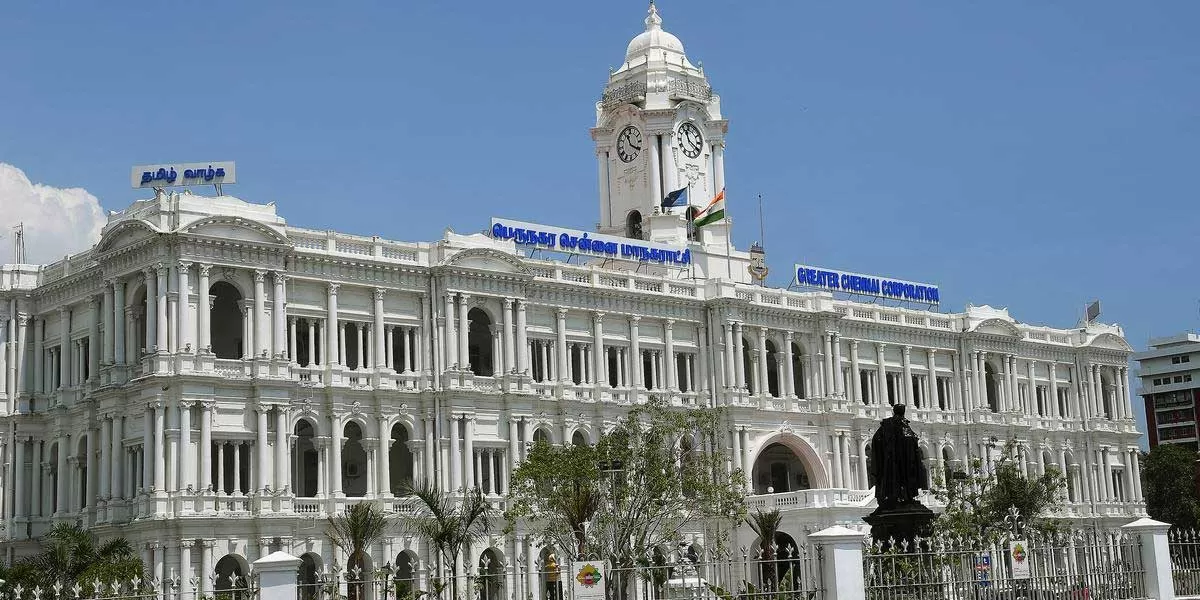
The Greater Chennai Corporation (GCC) has decided to issue municipal bonds to raise ?1,500 crore for urgent infrastructure projects. This fund-raising strategy follows a central government model that enables urban local bodies to mobilize capital from investors for essential projects without relying solely on state or central grants. The initiative aims to address the city’s infrastructural needs, including canal restoration, road relaying, and flyover construction, all worth around Rs.80 crore.

Municipal Bonds Model Under union finance ministry guidelines, urban local bodies can issue bonds for well-prepared, "ring-fenced" projects that can assure investors of returns. Investors—typically insurers, banks, and private companies—fund these projects at agreed-upon interest rates, with repayment handled by the local body. GCC’s decision is driven by its annual revenue of Rs.4,500 crore, most of which is allocated to administrative expenses and salaries, leaving little for development projects.

Previous Success with Bonds Other cities in India, including Pune and Hyderabad, have successfully used this model to raise substantial funds for infrastructure. For instance, Pune Municipal Corporation raised Rs.2,264 crore through bonds for a 24/7 water supply project in 2017, paying back the bonds semi-annually at an interest rate of 7.5%. Hyderabad utilized Rs.600 crore from bond sales for road development. Chennai hopes to replicate this success to fund crucial infrastructure growth.

Challenges with Bond Repayments Despite the potential benefits, some experts, like D S Sivasamy, have expressed concerns about repayment. Corporations often struggle to repay high-interest bonds due to limited revenue streams, primarily relying on property taxes and state grants. Sivasamy suggests increasing collections of entertainment and professional taxes to ensure GCC can meet its repayment obligations and avoid financial strain.

With rapid urban growth and limited funding sources, municipal bonds could be a sustainable way for Chennai to address its infrastructure needs while learning from other cities’ successes and challenges.

The Greater Chennai Corporation (GCC) has decided to issue municipal bonds to raise ?1,500 crore for urgent infrastructure projects. This fund-raising strategy follows a central government model that enables urban local bodies to mobilize capital from investors for essential projects without relying solely on state or central grants. The initiative aims to address the city’s infrastructural needs, including canal restoration, road relaying, and flyover construction, all worth around Rs.80 crore. Municipal Bonds Model Under union finance ministry guidelines, urban local bodies can issue bonds for well-prepared, ring-fenced projects that can assure investors of returns. Investors—typically insurers, banks, and private companies—fund these projects at agreed-upon interest rates, with repayment handled by the local body. GCC’s decision is driven by its annual revenue of Rs.4,500 crore, most of which is allocated to administrative expenses and salaries, leaving little for development projects. Previous Success with Bonds Other cities in India, including Pune and Hyderabad, have successfully used this model to raise substantial funds for infrastructure. For instance, Pune Municipal Corporation raised Rs.2,264 crore through bonds for a 24/7 water supply project in 2017, paying back the bonds semi-annually at an interest rate of 7.5%. Hyderabad utilized Rs.600 crore from bond sales for road development. Chennai hopes to replicate this success to fund crucial infrastructure growth. Challenges with Bond Repayments Despite the potential benefits, some experts, like D S Sivasamy, have expressed concerns about repayment. Corporations often struggle to repay high-interest bonds due to limited revenue streams, primarily relying on property taxes and state grants. Sivasamy suggests increasing collections of entertainment and professional taxes to ensure GCC can meet its repayment obligations and avoid financial strain. With rapid urban growth and limited funding sources, municipal bonds could be a sustainable way for Chennai to address its infrastructure needs while learning from other cities’ successes and challenges.

Next Story
Infrastructure Transport

VECV crosses 1 lakh annual vehicle sales milestone in FY26

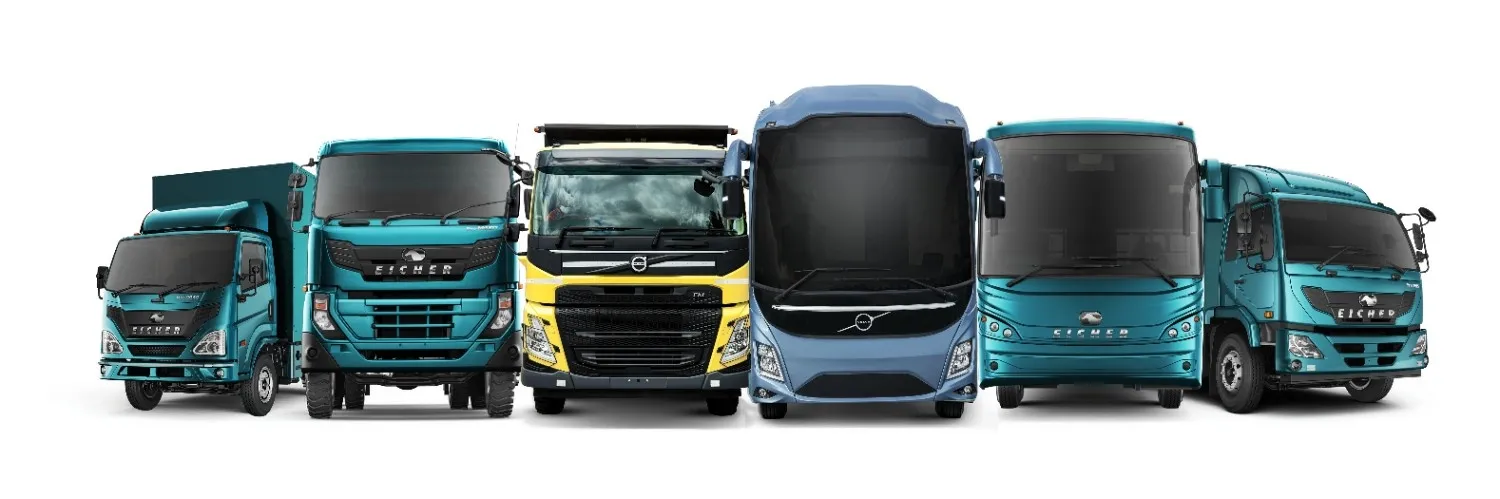
VE Commercial Vehicles (VECV), a joint venture between Volvo Group and Eicher Motors, has surpassed the 1 lakh annual sales mark in FY 2025–26, recording its highest-ever commercial vehicle sales performance. The company said it sold more than 100,000 vehicles during the year, marking a major milestone aligned with the original vision of the Volvo–Eicher joint venture.The strong performance was supported by demand across categories. Light and Medium Duty (LMD) trucks contributed 47,789 units, accounting for 46.1 per cent of total sales. Heavy Duty (HD) trucks recorded 26,867 units (25.9 pe..
Next Story
Technology

Rodic Digital & Advisory partners SatSure to deploy EO intelligence in public sector

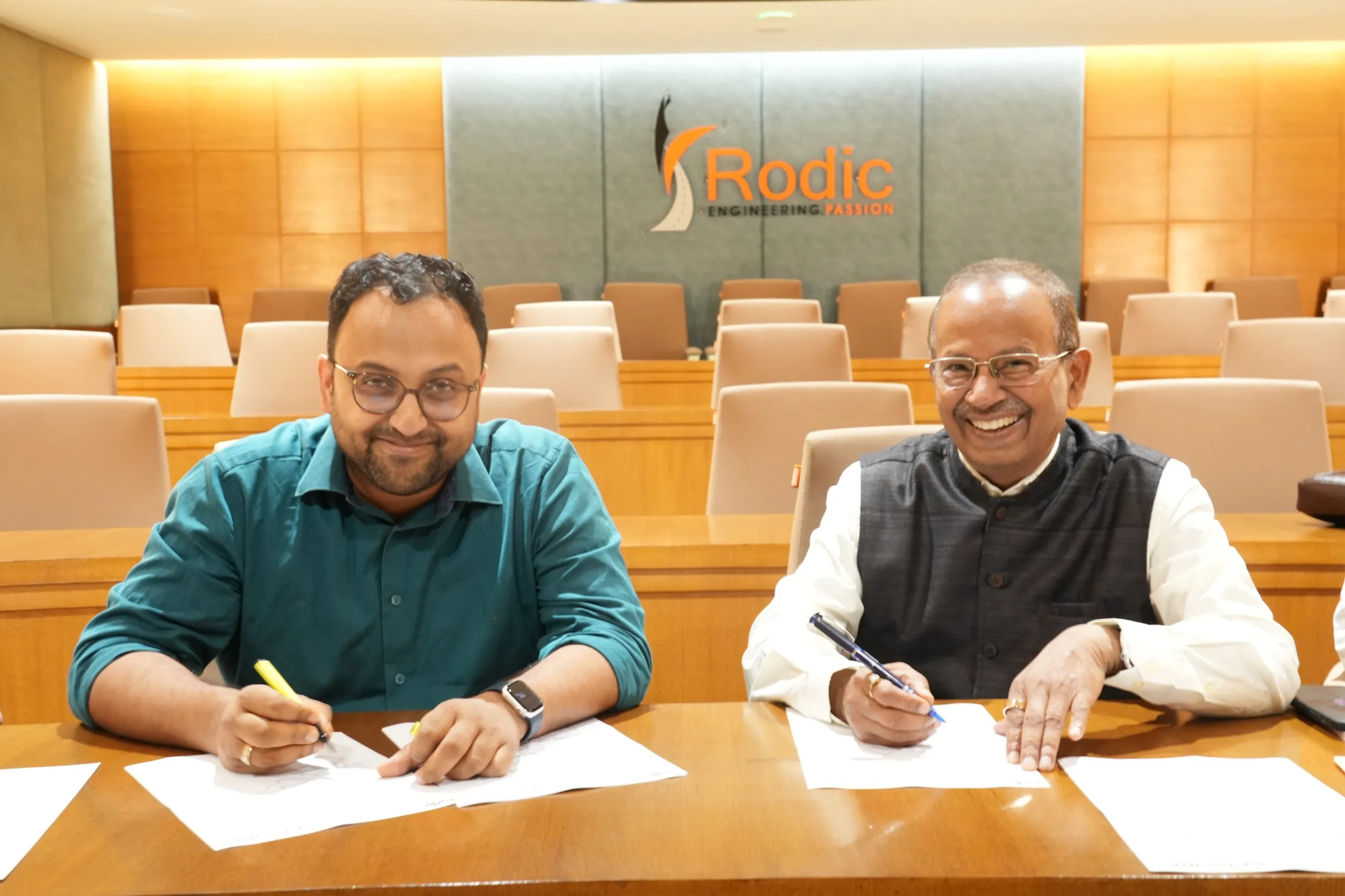
Rodic Digital & Advisory (RDA), the strategic advisory and digital transformation arm of Rodic Consultants, has signed a strategic cooperation Memorandum of Understanding (MoU) with SatSure to jointly pursue opportunities in India’s public sector. The collaboration aims to integrate high-resolution Earth Observation (EO) data and geospatial AI into government workflows to strengthen monitoring, compliance, and operational decision-making across key sectors.The partnership combines SatSure’s Earth intelligence capabilities with RDA’s expertise in government digital transformation and ..
Next Story
Real Estate

Neoterra Developments breaks ground on ELMORA at Jumeirah Garden City

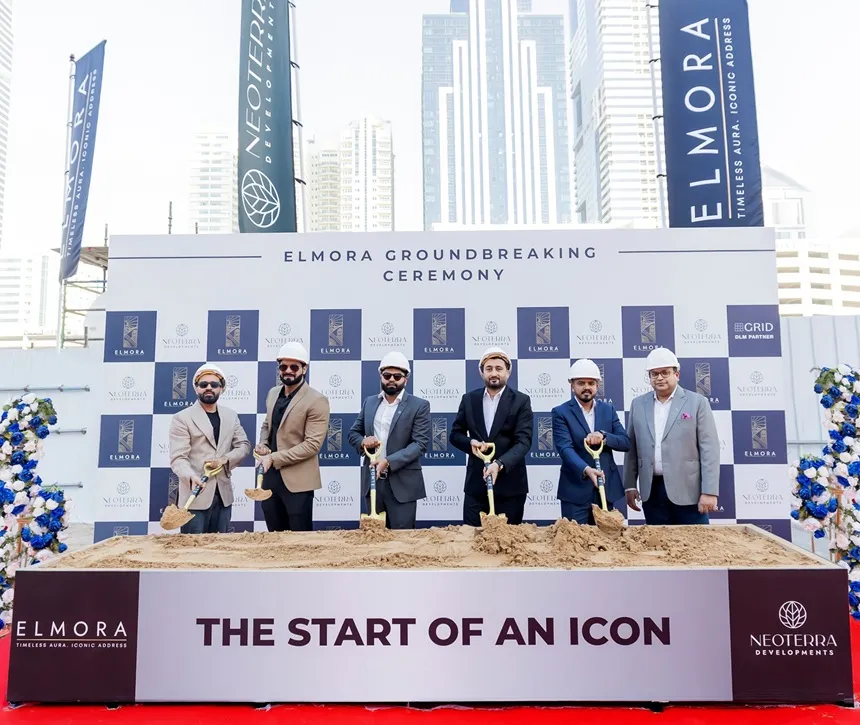
Neoterra Developments has officially commenced construction of its upscale residential tower, ELMORA, at Jumeirah Garden City following a groundbreaking ceremony held in Dubai. The developer confirmed that the project is scheduled for completion in February 2028 and also announced its next residential development in Dubai Production City, which is expected to be launched in Q2 2026.ELMORA, valued at approximately AED 130 million in gross development value (GDV), is being developed in collaboration with GRID, which has been appointed as the project’s Development Lifecycle Management (DLM) par..

Advertisement

Subscribe to Our Newsletter

Get daily newsletters around different themes from Construction world.

STAY CONNECTED

Advertisement

Advertisement

Advertisement