Construction of toilets for women at police stations
ECONOMY & POLICY

Construction of toilets for women at police stations

In 2021 where women are front and centre in all fields of work, it is disheartening to know that women employees do not get the right treatment or facilities at the workplace even now. While corporate/ private companies have now started to change their practices and provide proper assistance to working women, some government departments are still lacking. One such case which came up in February of this year, is the lack of sanitary facilities for women personnel in police stations, in the State of Uttar Pradesh.

Anjali Pandey, a third semester law student, filed a Public Interest Litigation (PIL) at the Allahabad High Court, along with 13 other female law students regarding lack of basic sanitation amenities, washrooms or separate toilets for women personnel in Prayagraj police stations. The team of law students conducted ground level research and visited 18 sites—17 police stations and the bar council premises—in Prayagraj. The findings of the report titled ‘Women in the Frontline’ were that out of the 18 sites visited only five of them had washrooms for women, which is the most basic facility to be expected. The rural areas were observed to be much worse than this.

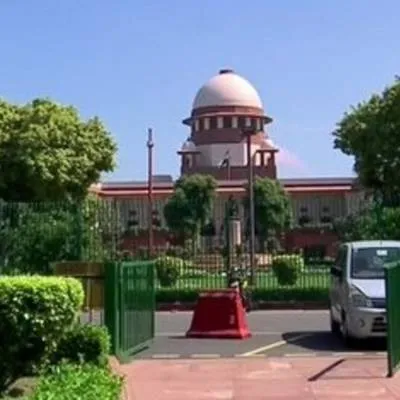
The Allahabad High court while dealing with the PIL filed stated that they would direct the government to ensure the construction of ladies’ toilets and other necessary facilities for the ladies in the police station, as it is a basic fundamental right. The court also pointed out that these basic facilities are important to make sure that one can live a ‘dignified life’. The Division Bench consisted of Chief Justice Govind Mathur and Justice Saurabh Shyam Shamshery.

After the PIL was filed, the court directed the standing counsel to submit a report on the progress on these projects. According to the report submitted by the standing counsel

  • Mahila hostels have been proposed at 1,425 police stations and necessary approvals have already been granted to have such hostels at 1,317 police stations and the necessary budget too has been allocated.
  • As per the proposed project, one toilet/washroom is to be constructed for every four female employees.
  • At 51 police stations, construction work is in progress to have toilets/washrooms for females.
  • At 291 police stations, work for construction of visitors rooms is in progress. The visitors' rooms are also set to have facilities for toilets and washrooms.

The counsel stated that post the completion of these projects women personnel would have a comfortable working environment and has requested time from the court to act on these provisions.

The law students in their petition mentioned that a couple of stations had common washroom facilities for men and women personnel and that made some of them highly uncomfortable. Stating this and some other reasons like electricity, water etc, the petitioners pointed out Article 21 which states that sanitation and hygiene is a basic need of life.

The court directed the Home Secretary-UP to file an affidavit by 15 March 2021 about the steps taken for fixing an agency for the construction of the women’s toilets.

This is one of the many cases of women facing issues at their workplace. In 2014 a new bill was passed, called ‘The Working Women (Basic Facilities And Welfare) Bill 2014’. According to this bill the appropriate (state/union) government shall ensure that every employer provides retiring rooms with facilities like bathroom, latrine, drinking water at the workplace or worksite of the working women and also provide recreational facilities like radio, television, etc for them and their children.

This is one of the many provisions of the bill. It outlines many such provisions for women in their employed environments. The provisions are as follows:

  • It shall be the duty of the appropriate government to ensure that no discrimination is done by any establishment on gender basis with its women employees particularly in the matter of payment of wages which are paid to her male counterpart in such establishment.
  • The establishment is mandated to provide childcare facilities to working women who cannot make way for their own care facilities. The appropriate government is responsible to open a number of creches to ensure this.
  • The appropriate government along with the employer shall provide adequate and proper security measures for the safety of working women in the establishment, factory or industry, as the case may be, as well as to and from their places of residence.
  • It shall be the duty of the appropriate government to ensure reservation of beds and proper and adequate maternity facilities for the working women in the hospitals and dispensaries having indoor patient facilities therein.
  • The appropriate government as well as an employer shall provide hostel and residential facilities both for married and unmarried working women nearest to their place of work and shall also provide cheap, safe and quick transport facilities for such working women.
  • The appropriate government shall ensure protection from health hazards particularly for the women working in factories or industries like beedi, tobacco, stone mines, cashew, fish processing, salt, silk construction projects and such other establishments as may be prescribed.

It is important that working women are educated and made aware about provisions and rights which are available to them. It is also of utmost importance that employers fulfill their duties and make sure that female employees are treated at par with male employees and granted all basic facilities. This particular case is also ground-breaking as such an important step towards women employees’ rights has been taken by a group of young upcoming lawyers.

Image Source


Also read: Top 10 police stations of India for 2020 announced 

In 2021 where women are front and centre in all fields of work, it is disheartening to know that women employees do not get the right treatment or facilities at the workplace even now. While corporate/ private companies have now started to change their practices and provide proper assistance to working women, some government departments are still lacking. One such case which came up in February of this year, is the lack of sanitary facilities for women personnel in police stations, in the State of Uttar Pradesh. Anjali Pandey, a third semester law student, filed a Public Interest Litigation (PIL) at the Allahabad High Court, along with 13 other female law students regarding lack of basic sanitation amenities, washrooms or separate toilets for women personnel in Prayagraj police stations. The team of law students conducted ground level research and visited 18 sites—17 police stations and the bar council premises—in Prayagraj. The findings of the report titled ‘Women in the Frontline’ were that out of the 18 sites visited only five of them had washrooms for women, which is the most basic facility to be expected. The rural areas were observed to be much worse than this. The Allahabad High court while dealing with the PIL filed stated that they would direct the government to ensure the construction of ladies’ toilets and other necessary facilities for the ladies in the police station, as it is a basic fundamental right. The court also pointed out that these basic facilities are important to make sure that one can live a ‘dignified life’. The Division Bench consisted of Chief Justice Govind Mathur and Justice Saurabh Shyam Shamshery. After the PIL was filed, the court directed the standing counsel to submit a report on the progress on these projects. According to the report submitted by the standing counsel Mahila hostels have been proposed at 1,425 police stations and necessary approvals have already been granted to have such hostels at 1,317 police stations and the necessary budget too has been allocated. As per the proposed project, one toilet/washroom is to be constructed for every four female employees. At 51 police stations, construction work is in progress to have toilets/washrooms for females. At 291 police stations, work for construction of visitors rooms is in progress. The visitors' rooms are also set to have facilities for toilets and washrooms. The counsel stated that post the completion of these projects women personnel would have a comfortable working environment and has requested time from the court to act on these provisions. The law students in their petition mentioned that a couple of stations had common washroom facilities for men and women personnel and that made some of them highly uncomfortable. Stating this and some other reasons like electricity, water etc, the petitioners pointed out Article 21 which states that sanitation and hygiene is a basic need of life. The court directed the Home Secretary-UP to file an affidavit by 15 March 2021 about the steps taken for fixing an agency for the construction of the women’s toilets. This is one of the many cases of women facing issues at their workplace. In 2014 a new bill was passed, called ‘The Working Women (Basic Facilities And Welfare) Bill 2014’. According to this bill the appropriate (state/union) government shall ensure that every employer provides retiring rooms with facilities like bathroom, latrine, drinking water at the workplace or worksite of the working women and also provide recreational facilities like radio, television, etc for them and their children. This is one of the many provisions of the bill. It outlines many such provisions for women in their employed environments. The provisions are as follows: It shall be the duty of the appropriate government to ensure that no discrimination is done by any establishment on gender basis with its women employees particularly in the matter of payment of wages which are paid to her male counterpart in such establishment. The establishment is mandated to provide childcare facilities to working women who cannot make way for their own care facilities. The appropriate government is responsible to open a number of creches to ensure this. The appropriate government along with the employer shall provide adequate and proper security measures for the safety of working women in the establishment, factory or industry, as the case may be, as well as to and from their places of residence. It shall be the duty of the appropriate government to ensure reservation of beds and proper and adequate maternity facilities for the working women in the hospitals and dispensaries having indoor patient facilities therein. The appropriate government as well as an employer shall provide hostel and residential facilities both for married and unmarried working women nearest to their place of work and shall also provide cheap, safe and quick transport facilities for such working women. The appropriate government shall ensure protection from health hazards particularly for the women working in factories or industries like beedi, tobacco, stone mines, cashew, fish processing, salt, silk construction projects and such other establishments as may be prescribed. It is important that working women are educated and made aware about provisions and rights which are available to them. It is also of utmost importance that employers fulfill their duties and make sure that female employees are treated at par with male employees and granted all basic facilities. This particular case is also ground-breaking as such an important step towards women employees’ rights has been taken by a group of young upcoming lawyers. Image SourceAlso read: Top 10 police stations of India for 2020 announced 

Next Story
Infrastructure Transport

Shivraj Chouhan Launches PMGSY IV and Announces Package for Madhya Pradesh

Union Minister Shivraj Singh Chouhan launched the Pradhan Mantri Gram Sadak Yojana (PMGSY) IV at Bhairunda in Sehore district during the 25 year celebrations and announced a development package for Madhya Pradesh. The programme was organised by the Union Ministry of Rural Development and attended by Chief Minister Dr Mohan Yadav, ministers of state, state ministers, legislators and senior officials from the centre and the state. The minister said the central government under the Prime Minister is committed to strengthening rural livelihoods through improved connectivity, housing and women's in..

Next Story
Infrastructure Urban

DMR Engineering Reports FY 25-26 Financial Results

DMR Engineering reported its half year results for the financial year ended 31 March 2026 and published full year figures on a standalone basis. Standalone revenue from operations decreased by 2.01 per cent year-over-year to Rs 102.58 million (mn), while profit after tax declined by 43.94 per cent to nine point five six mn, leaving a profit after tax margin of nine point zero five per cent. Earnings per share stood at Rs zero point nine two, a fall of 44.71 per cent year-over-year. The company attributed part of the decline to one-off provisioning for bad debts and additional financing charges..

Next Story
Infrastructure Urban

Atlanta Electricals Posts Strong FY26 Growth And Debt Free Finish

Atlanta Electricals reported audited consolidated results for the quarter and year ended 31 March 2026. The company recorded significant year-on-year revenue growth driven by capacity ramp-up at new facilities and higher utilisation at legacy plants. The announcement summarised operating improvements and strategic milestones achieved during the year. For Q4 the company reported revenue of Rs 7.48 bn and for FY26 revenue of Rs 18.52 bn, representing robust growth versus the prior year. EBITDA in Q4 was Rs. 1.49 bn and Rs. 3.44 bn for the full year, with margins expanding to 20 per cent in the q..

Advertisement

Subscribe to Our Newsletter

Get daily newsletters around different themes from Construction world.

STAY CONNECTED

Advertisement

Advertisement

Advertisement