E2W Sales Up 20% YoY, Ola Electric Loses Market Share
ECONOMY & POLICY

E2W Sales Up 20% YoY, Ola Electric Loses Market Share

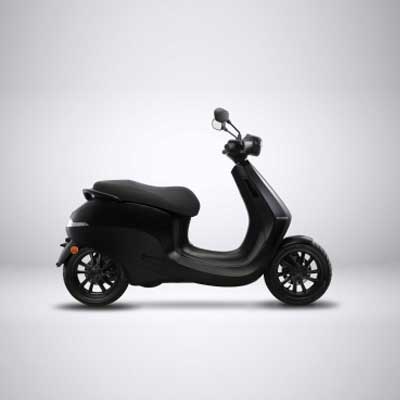
In September of this year, the sales volume of electric two-wheelers (E2W) increased by 20% compared to the same period last year and by 2% compared to the previous month. Despite being the leader in terms of sales volume in this segment, Ola Electric (Ola) continued to lose market share on a monthly basis, dropping to 29%, a decrease of 66 basis points, as reported in a new study released on Thursday.

According to the BNP Paribas India EV report for October 2023, Bajaj Auto gained the most market share with a 11.1% increase, while Ola experienced the largest loss, followed by Okinawa.

Among the top five original equipment manufacturers (OEMs), Bajaj Auto saw the highest increase in monthly sales volume, while Okinawa had the largest decline.

The report also noted that among the states monitored, there was mixed growth in month-on-month sales volume, with Bihar recording the highest growth at 27%. The state with the most significant improvement in penetration was Karnataka, increasing from 9.5% in August to 9.9%.

In the electric passenger vehicle (EPV) category, sales volume grew by 71% compared to the previous year but declined by 9% compared to the previous month. This marked the third consecutive monthly decline and a 23% decrease from its peak in March of this year. The report also mentioned that EV penetration in passenger vehicles (PVs) dropped slightly from 1.7% to 1.5% on a monthly basis.

As of FYTD24, EPV penetration stood at 1.8%. Kerala saw the highest decline in penetration, dropping from 4% in August to 3.7%. Tata Motors' EV mix also decreased from 11% in August to 10% on a monthly basis.

The report highlighted that the introduction of new models at attractive prices would continue to boost E2W sales and enhance EV penetration. However, PV electrification faced challenges, with penetration and volume declining in recent months. The report anticipated that new model launches would remain a key driver for PV penetration, especially in the absence of any new launches in the near future.

In September of this year, the sales volume of electric two-wheelers (E2W) increased by 20% compared to the same period last year and by 2% compared to the previous month. Despite being the leader in terms of sales volume in this segment, Ola Electric (Ola) continued to lose market share on a monthly basis, dropping to 29%, a decrease of 66 basis points, as reported in a new study released on Thursday. According to the BNP Paribas India EV report for October 2023, Bajaj Auto gained the most market share with a 11.1% increase, while Ola experienced the largest loss, followed by Okinawa. Among the top five original equipment manufacturers (OEMs), Bajaj Auto saw the highest increase in monthly sales volume, while Okinawa had the largest decline. The report also noted that among the states monitored, there was mixed growth in month-on-month sales volume, with Bihar recording the highest growth at 27%. The state with the most significant improvement in penetration was Karnataka, increasing from 9.5% in August to 9.9%. In the electric passenger vehicle (EPV) category, sales volume grew by 71% compared to the previous year but declined by 9% compared to the previous month. This marked the third consecutive monthly decline and a 23% decrease from its peak in March of this year. The report also mentioned that EV penetration in passenger vehicles (PVs) dropped slightly from 1.7% to 1.5% on a monthly basis. As of FYTD24, EPV penetration stood at 1.8%. Kerala saw the highest decline in penetration, dropping from 4% in August to 3.7%. Tata Motors' EV mix also decreased from 11% in August to 10% on a monthly basis. The report highlighted that the introduction of new models at attractive prices would continue to boost E2W sales and enhance EV penetration. However, PV electrification faced challenges, with penetration and volume declining in recent months. The report anticipated that new model launches would remain a key driver for PV penetration, especially in the absence of any new launches in the near future.

Next Story
Infrastructure Urban

Implementation Status of Jal Jeevan Mission

Since August 2019 the Government has implemented Jal Jeevan Mission to provide assured potable water through household tap connections in rural India. At the start of the mission only 32.3 million (mn) rural households, representing 16.7 per cent, were reported to have tap water connections. States and union territories have reported that 125.8 mn additional rural households have since been provided with tap connections. As a result, of about 193.6 mn rural households roughly 158.2 mn, or 81.71 per cent, are reported to have tap water supply at home.\n\nThe State, district and village level st..

Next Story
Infrastructure Urban

Jal Jeevan Mission Reaches Eighty One Per Cent Rural Coverage

The Government reported substantial progress under the Jal Jeevan Mission, launched in August 2019 to provide tap water to every rural household. At launch only 32.3 million (mn) rural households had tap connections and states and Union territories reported provision of 125.8 mn additional households by March 2026. Consequently, out of about 193.6 mn rural households around 158.2 mn, or 81.71 per cent, are reported to have tap water at home. The Finance Minister announced extension of the mission until 2028 in the 2025-26 budget speech. The Swachh Bharat Mission Grameen, launched in October 20..

Next Story
Infrastructure Urban

Empowering Local Governance for Sustainable Rural Water Supply

The Ministry of Jal Shakti has aligned the Jal Jeevan Mission (JJM) with the 73rd Amendment to strengthen village level planning and community ownership of water supply. Gram Panchayats, village water and sanitation committees and Pani Samitis are to plan, implement, manage and maintain piped water systems, with gram sabha processes formalising handover and oversight. Implementation support agencies including non government organisations, community based organisations and self help groups have been empanelled to train local committees and promote women participation. Under JJM, the department ..

Advertisement

Subscribe to Our Newsletter

Get daily newsletters around different themes from Construction world.

STAY CONNECTED

Advertisement

Advertisement

Advertisement