EU Proposes CBAM Expansion That Would Hit Indian Exports
ECONOMY & POLICY

EU Proposes CBAM Expansion That Would Hit Indian Exports

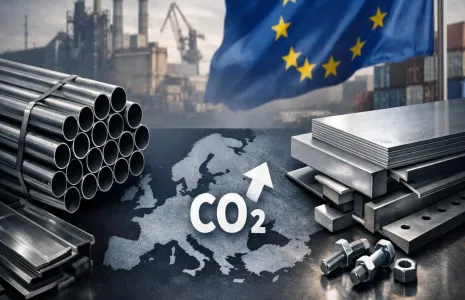
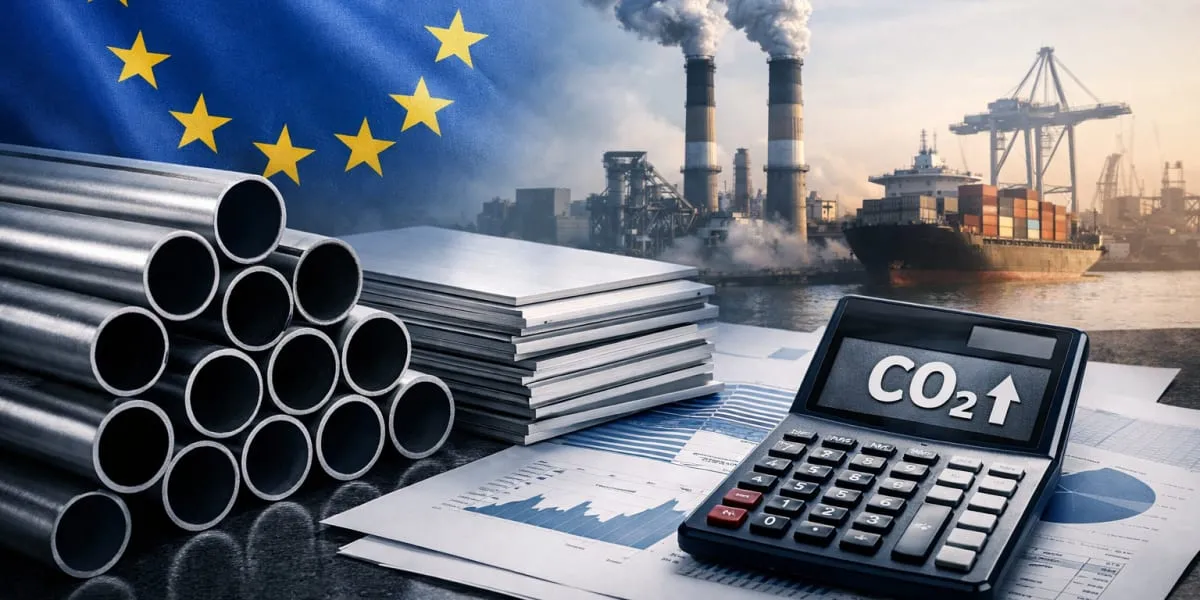
The European Union (EU) has moved to broaden the scope of the Carbon Border Adjustment Mechanism (CBAM) after a draft proposal from the European Parliament’s Committee on the Environment, Climate and Food Safety (ENVI) recommended charging CBAM levies on 180 additional steel- and aluminium-based products from January one, 2028. The committee set out an intent to extend the mechanism beyond raw materials to a wider range of manufactured goods. The draft was issued on April 10 and awaits plenary approval.

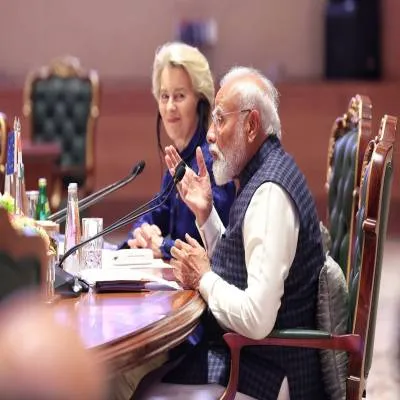
If the European Parliament approves the measure, exporters to the EU would face higher compliance costs and altered market dynamics, with direct implications for firms in India seeking market access under a freshly negotiated free trade agreement expected by the end of this calendar year. The proposal arrives amid intensifying trade discussions between India and the EU, where CBAM has been a prominent point of contention. Observers note that the charge will function as a climate-linked trade barrier for exposed sectors.

Engineering exports from India that could be affected include auto components, machinery, fabricated metal products, pipes, fasteners and aluminium-based goods. Think tank GTRI warned that most industrial products entering the EU could face carbon tax exposure by 2030. Manufacturers that rely on scrap-based steel production or recycled aluminium have so far enjoyed a cost advantage that may be eroded by revised accounting rules.

The draft also proposes tighter carbon accounting that would include emissions from pre-consumer scrap and is examining the inclusion of indirect emissions from electricity use. Such changes could significantly increase compliance burdens for producers dependent on coal-based power and raise the cost of exports to the EU. Businesses and policymakers in India may need to accelerate decarbonisation measures and prepare for heightened monitoring and verification requirements should the measure be adopted.

"Join industry leaders at RAHSTA Expo, India's premier platform for roads, highways and traffic infrastructure. Register now to explore innovations, network with experts and shape the future of mobility."

The European Union (EU) has moved to broaden the scope of the Carbon Border Adjustment Mechanism (CBAM) after a draft proposal from the European Parliament’s Committee on the Environment, Climate and Food Safety (ENVI) recommended charging CBAM levies on 180 additional steel- and aluminium-based products from January one, 2028. The committee set out an intent to extend the mechanism beyond raw materials to a wider range of manufactured goods. The draft was issued on April 10 and awaits plenary approval. If the European Parliament approves the measure, exporters to the EU would face higher compliance costs and altered market dynamics, with direct implications for firms in India seeking market access under a freshly negotiated free trade agreement expected by the end of this calendar year. The proposal arrives amid intensifying trade discussions between India and the EU, where CBAM has been a prominent point of contention. Observers note that the charge will function as a climate-linked trade barrier for exposed sectors. Engineering exports from India that could be affected include auto components, machinery, fabricated metal products, pipes, fasteners and aluminium-based goods. Think tank GTRI warned that most industrial products entering the EU could face carbon tax exposure by 2030. Manufacturers that rely on scrap-based steel production or recycled aluminium have so far enjoyed a cost advantage that may be eroded by revised accounting rules. The draft also proposes tighter carbon accounting that would include emissions from pre-consumer scrap and is examining the inclusion of indirect emissions from electricity use. Such changes could significantly increase compliance burdens for producers dependent on coal-based power and raise the cost of exports to the EU. Businesses and policymakers in India may need to accelerate decarbonisation measures and prepare for heightened monitoring and verification requirements should the measure be adopted.

Next Story
Infrastructure Urban

ABS Marine Sees CRISIL Credit Rating Upgrade

ABS Marine Services has secured an upgrade to its long term and short term credit ratings from CRISIL, reflecting improved profitability and revenue growth through long term contracts. CRISIL moved the long term rating from BBB+/Stable to A-/Stable and revised the short term rating from A2 to A2+. The action signals strengthened financial metrics and operational resilience. The company benefited from durable client relationships with firms such as ONGC and Schlumberger. The rating decision followed stronger cash flows and an enlarged bank loan facility, which increased from Rs 3,705 million (m..

Next Story
Infrastructure Transport

Project BRAHMANK Marks 16 Years Of Strategic Roads In Arunachal

Project BRAHMANK is marking 16 years of work to establish strategic road and bridge links across Arunachal Pradesh, maintaining and developing 811 kilometres of roads and nearly 86 bridges that range from small culverts to large steel and arch bridges. These transport links are described as critical for ensuring year-round movement of defence personnel, equipment and essential supplies while improving everyday travel for people in remote villages. The project balances national security requirements with regional development by focusing on reliable access in challenging terrain. Notable enginee..

Next Story
Infrastructure Transport

Longleng CSOs Give One Week Ultimatum Over Two-Lane Highway

Civil society organisations (CSOs) in Longleng district have demanded immediate restoration of the deteriorating Changtongya–Longleng two-lane road and sought a detailed status report on the stalled construction within one week. The demand followed a consultative meeting convened under the Phom Peoples' Council (PPC) to discuss welfare and development concerns. PPC president YB Angam Phom said prolonged non-maintenance had caused hardship to commuters and affected transportation, local commerce and the district's development. The meeting urged authorities to undertake immediate restoration a..

Advertisement

Subscribe to Our Newsletter

Get daily newsletters around different themes from Construction world.

STAY CONNECTED

Advertisement

Advertisement

Advertisement