

EU to Expand CBAM to More Manufactured Goods
ECONOMY & POLICY

EU to Expand CBAM to More Manufactured Goods

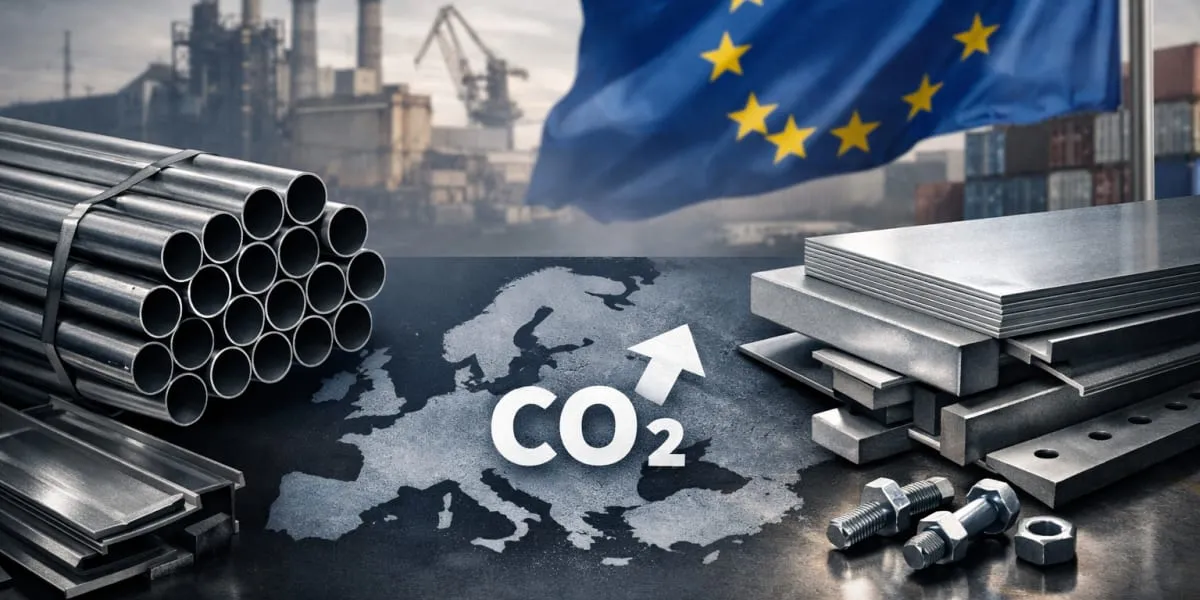
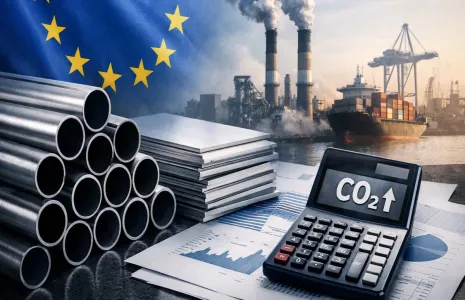
The European Parliament’s Committee on the Environment, Climate and Food Safety (ENVI) has proposed a draft to expand the European Union (EU) Carbon Border Adjustment Mechanism (CBAM) to cover a broader set of manufactured goods. The draft recommends the inclusion of about 180 additional steel and aluminium based products from January one, 2028. The proposed change would extend the carbon levy beyond raw materials and into finished and semi-finished items.

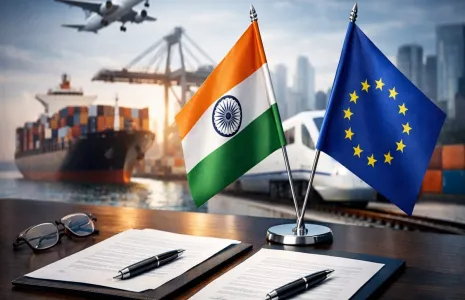
The report dated April 10 outlines the committee recommendation and notes that the measure requires approval by the European Parliament to take effect. If approved, the change is expected to raise costs for a wide range of Indian manufactured exports and will coincide with the planned implementation of a bilateral free trade agreement by the end of this calendar year. The move has been identified as a key point of negotiation between India and the EU.

Indian industry is preparing for potential impact on engineering exports, including auto components, machinery, fabricated metal products, pipes and fasteners as well as aluminium goods. Observers from the think tank GTRI have warned that most industrial products entering the EU could face carbon tax exposure by 2030. Exporters will need to factor carbon compliance into pricing and logistics decisions.

The draft also proposes tighter carbon accounting that would include emissions from pre-consumer scrap, a change that could erode the cost advantage enjoyed by scrap-based steel and recycled aluminium producers in India. Adjustments to accounting rules are intended to capture emissions hidden in inputs and processing and may reduce margins for firms relying on recycling.

Further scrutiny is proposed of indirect emissions from electricity use, which could materially raise compliance costs for manufacturers dependent on coal-based power. Industry associations and negotiators are likely to intensify assessments of supply chain emissions and to seek clarity on implementation timelines and safeguards.

The European Parliament’s Committee on the Environment, Climate and Food Safety (ENVI) has proposed a draft to expand the European Union (EU) Carbon Border Adjustment Mechanism (CBAM) to cover a broader set of manufactured goods. The draft recommends the inclusion of about 180 additional steel and aluminium based products from January one, 2028. The proposed change would extend the carbon levy beyond raw materials and into finished and semi-finished items. The report dated April 10 outlines the committee recommendation and notes that the measure requires approval by the European Parliament to take effect. If approved, the change is expected to raise costs for a wide range of Indian manufactured exports and will coincide with the planned implementation of a bilateral free trade agreement by the end of this calendar year. The move has been identified as a key point of negotiation between India and the EU. Indian industry is preparing for potential impact on engineering exports, including auto components, machinery, fabricated metal products, pipes and fasteners as well as aluminium goods. Observers from the think tank GTRI have warned that most industrial products entering the EU could face carbon tax exposure by 2030. Exporters will need to factor carbon compliance into pricing and logistics decisions. The draft also proposes tighter carbon accounting that would include emissions from pre-consumer scrap, a change that could erode the cost advantage enjoyed by scrap-based steel and recycled aluminium producers in India. Adjustments to accounting rules are intended to capture emissions hidden in inputs and processing and may reduce margins for firms relying on recycling. Further scrutiny is proposed of indirect emissions from electricity use, which could materially raise compliance costs for manufacturers dependent on coal-based power. Industry associations and negotiators are likely to intensify assessments of supply chain emissions and to seek clarity on implementation timelines and safeguards.

Next Story
Equipment

MYCRANE Crosses 1,000 Customers in India

MYCRANE, the global platform for crane rental and purchase, has achieved major commercial milestones in India, reinforcing the country’s position as one of its fastest-growing strategic markets. The company has surpassed 1,000 registered customers and 1,000 crane suppliers nationwide, while completing more than 100 paid orders.The growth reflects rising adoption of digital procurement solutions across India’s construction, infrastructure, energy and industrial sectors. Equipment sourced through the platform is supporting projects across the country, with several leading contractors and EPC..

Next Story
Infrastructure Urban

AMTOE 2026 Opens Global Machine Tool Sourcing Hub

The Asian Machine Tool Online Exhibition 2026 (AMTOE 2026) has officially opened as a B2B sourcing platform connecting global buyers with verified Asian suppliers across the machine tool and manufacturing sector. The exhibition will run until 31 October 2026 through a hybrid online and offline model, offering extended sourcing and business networking opportunities.Co-organised by AsianNet and TradeAsia, the event aims to strengthen links between Asian manufacturers and international importers while improving cross-border procurement efficiency and supplier matching.Since launching in 2022, AMT..

Next Story
Infrastructure Energy

Vedanta Lifts Renewable Energy Use by Over 50%

On World Earth Day, Vedanta Limited announced that its renewable energy usage rose by over 50 per cent year on year to 3.97 billion units in FY26, helping avoid 3 million tonnes of carbon dioxide emissions.The company said its portfolio of metals, minerals, power, and oil & gas continues to support advanced manufacturing, electrification, energy transition and clean technology. Aluminium, copper and silver remain critical for applications such as mobility, power transmission, renewable infrastructure and solar photovoltaics, while iron, steel and zinc continue to support energy infrastruct..

Advertisement

Subscribe to Our Newsletter

Get daily newsletters around different themes from Construction world.

STAY CONNECTED

Advertisement

Advertisement

Advertisement