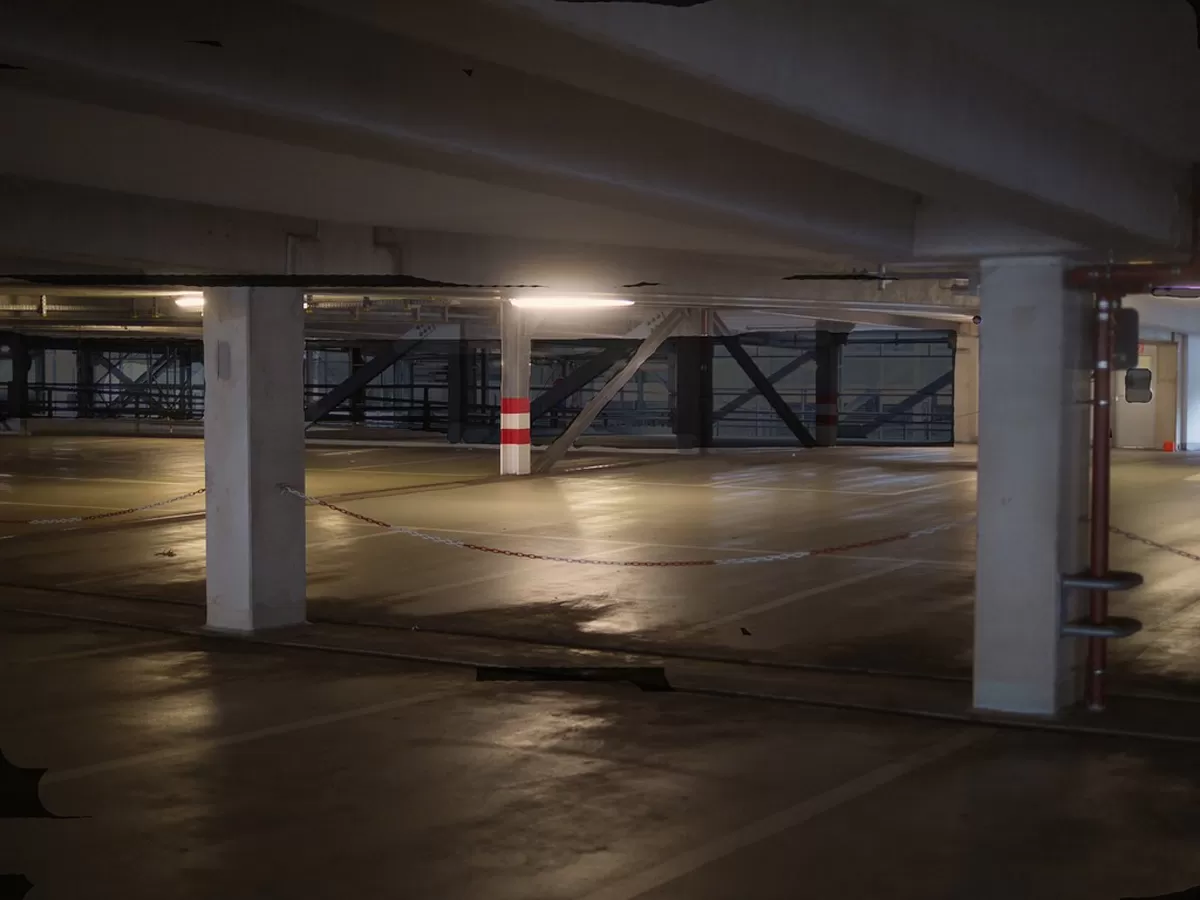
GHMC Plans Multi-Level Parking to Ease Charminar Parking Problems
ECONOMY & POLICY

GHMC Plans Multi-Level Parking to Ease Charminar Parking Problems

Parking challenges around Hyderabad’s iconic Charminar monument are expected to be resolved through the construction of a modern multi-level parking (MLP) complex. The Greater Hyderabad Municipal Corporation (GHMC) has revealed plans for this ambitious project, which will be developed under a public-private partnership (PPP) model. The initiative aims to address the increasing demand for parking spaces in the area.

Charminar, a historic landmark attracting thousands of visitors daily, has long faced infrastructural shortcomings, especially concerning parking. The narrow lanes and limited space have made parking difficult for both locals and tourists wishing to visit the monument and the old city surrounding it. The absence of adequate parking facilities has frequently resulted in congestion, disorderly parking, and safety issues, highlighting the urgent need for a comprehensive solution.

The proposed MLP complex is set to occupy 3,500 square metres and will be designed to accommodate around 145 to 150 four-wheelers and 150 two-wheelers. Apart from parking, the facility will include a designated hawker zone to provide vendors with an organised space to operate, along with commercial establishments, thereby creating a multifunctional area that integrates convenience with commerce. Officials indicated that the MLP would serve more than just parking needs; it is intended to enhance the visitor experience while ensuring the safety of both vehicles and pedestrians. The facility will feature advanced technology such as automated parking systems aimed at streamlining parking and reducing waiting times. Digital display boards will be installed strategically to guide drivers, and payment kiosks will facilitate cashless transactions to provide a seamless experience.

In alignment with the city’s growing emphasis on sustainability, the MLP will incorporate eco-friendly features including a rooftop garden to introduce green space in the otherwise greenery-scarce area. The design will also prioritize energy efficiency and waste management, reflecting GHMC’s broader commitment to fostering a cleaner, greener urban environment. The project intends to mitigate the environmental impact of rising vehicular traffic while addressing the urgent need for better-organised commercial and hawker spaces. By combining modern infrastructure with traditional elements, the MLP aims to harmonize with Charminar’s historical charm without detracting from the area's aesthetics.

A significant feature of the proposed parking facility is its technological focus. The automated parking system is expected to optimise space utilization and reduce the time drivers spend searching for parking spots. This innovation is anticipated to ease congestion, particularly during peak tourist seasons, and improve traffic management. Furthermore, the complex will offer enhanced security with CCTV surveillance to monitor both vehicles and pedestrians. Fire safety systems and clearly marked emergency exits will ensure that the facility meets stringent safety and accessibility standards.

The inclusion of a hawker zone will provide street vendors, who often operate in overcrowded and unsafe conditions, with a structured and safer space. This development is expected to improve cleanliness and organisation in the area and foster opportunities for local entrepreneurs, thereby contributing to economic growth. For years, the Charminar area has suffered from unregulated street parking and overcrowded roads, especially during festivals and peak visitor periods. Local residents and business owners have expressed concerns about the negative effects of these issues, including traffic jams, noise pollution, and safety hazards. The MLP is viewed as a solution that will ease these problems while supporting the local economy by creating commercial spaces and attracting more tourists.

Experts believe the MLP will play a vital role in revitalising the area by reducing street parking, alleviating congestion, enhancing pedestrian-friendliness, and improving traffic flow. Additionally, the commercial components of the facility are expected to offer local businesses more opportunities to serve the large number of daily visitors to Charminar. This initiative is part of GHMC’s wider efforts to tackle urban planning challenges and promote a more sustainable and efficient city. As Hyderabad continues to expand, the municipality is prioritising projects focused on infrastructure improvement, mobility solutions, and environmental sustainability.

The Charminar MLP project also demonstrates the city’s commitment to leveraging public-private partnerships for funding and executing urban infrastructure projects. By involving private sector expertise and resources, GHMC aims to deliver innovative and high-quality solutions to meet the demands of a rapidly growing metropolis. The corporation has already begun inviting Expressions of Interest (EOIs) from qualified private firms capable of undertaking the project. The tendering process is expected to attract a variety of bids, with the city planning to proceed quickly after selecting a suitable partner.

Local residents and business owners have expressed optimism about the project’s potential to resolve parking problems and improve the Charminar area’s overall environment. Though the project is in its early stages, officials have assured the public that construction will cause minimal disruption to daily activities. The timeline for completion depends on factors such as procurement and construction schedules, but GHMC intends to complete the project in phases to meet the needs of both visitors and the local community.

As Hyderabad modernises and grows, projects like the Charminar multi-level parking complex represent crucial steps toward improving urban mobility, supporting local businesses, and creating sustainable public spaces. The success of this initiative could serve as a model for other historical and culturally important sites in the city, showing how modern infrastructure can coexist with heritage preservation to enhance both functionality and visual appeal.

With its blend of advanced technology, eco-friendly features, and community-oriented design, the Charminar MLP complex is set to become an integral part of the city’s urban landscape, providing a cleaner, safer, and more organised environment for residents and visitors alike.

News source: Urban Acres

Parking challenges around Hyderabad’s iconic Charminar monument are expected to be resolved through the construction of a modern multi-level parking (MLP) complex. The Greater Hyderabad Municipal Corporation (GHMC) has revealed plans for this ambitious project, which will be developed under a public-private partnership (PPP) model. The initiative aims to address the increasing demand for parking spaces in the area.Charminar, a historic landmark attracting thousands of visitors daily, has long faced infrastructural shortcomings, especially concerning parking. The narrow lanes and limited space have made parking difficult for both locals and tourists wishing to visit the monument and the old city surrounding it. The absence of adequate parking facilities has frequently resulted in congestion, disorderly parking, and safety issues, highlighting the urgent need for a comprehensive solution.The proposed MLP complex is set to occupy 3,500 square metres and will be designed to accommodate around 145 to 150 four-wheelers and 150 two-wheelers. Apart from parking, the facility will include a designated hawker zone to provide vendors with an organised space to operate, along with commercial establishments, thereby creating a multifunctional area that integrates convenience with commerce. Officials indicated that the MLP would serve more than just parking needs; it is intended to enhance the visitor experience while ensuring the safety of both vehicles and pedestrians. The facility will feature advanced technology such as automated parking systems aimed at streamlining parking and reducing waiting times. Digital display boards will be installed strategically to guide drivers, and payment kiosks will facilitate cashless transactions to provide a seamless experience.In alignment with the city’s growing emphasis on sustainability, the MLP will incorporate eco-friendly features including a rooftop garden to introduce green space in the otherwise greenery-scarce area. The design will also prioritize energy efficiency and waste management, reflecting GHMC’s broader commitment to fostering a cleaner, greener urban environment. The project intends to mitigate the environmental impact of rising vehicular traffic while addressing the urgent need for better-organised commercial and hawker spaces. By combining modern infrastructure with traditional elements, the MLP aims to harmonize with Charminar’s historical charm without detracting from the area's aesthetics.A significant feature of the proposed parking facility is its technological focus. The automated parking system is expected to optimise space utilization and reduce the time drivers spend searching for parking spots. This innovation is anticipated to ease congestion, particularly during peak tourist seasons, and improve traffic management. Furthermore, the complex will offer enhanced security with CCTV surveillance to monitor both vehicles and pedestrians. Fire safety systems and clearly marked emergency exits will ensure that the facility meets stringent safety and accessibility standards.The inclusion of a hawker zone will provide street vendors, who often operate in overcrowded and unsafe conditions, with a structured and safer space. This development is expected to improve cleanliness and organisation in the area and foster opportunities for local entrepreneurs, thereby contributing to economic growth. For years, the Charminar area has suffered from unregulated street parking and overcrowded roads, especially during festivals and peak visitor periods. Local residents and business owners have expressed concerns about the negative effects of these issues, including traffic jams, noise pollution, and safety hazards. The MLP is viewed as a solution that will ease these problems while supporting the local economy by creating commercial spaces and attracting more tourists.Experts believe the MLP will play a vital role in revitalising the area by reducing street parking, alleviating congestion, enhancing pedestrian-friendliness, and improving traffic flow. Additionally, the commercial components of the facility are expected to offer local businesses more opportunities to serve the large number of daily visitors to Charminar. This initiative is part of GHMC’s wider efforts to tackle urban planning challenges and promote a more sustainable and efficient city. As Hyderabad continues to expand, the municipality is prioritising projects focused on infrastructure improvement, mobility solutions, and environmental sustainability.The Charminar MLP project also demonstrates the city’s commitment to leveraging public-private partnerships for funding and executing urban infrastructure projects. By involving private sector expertise and resources, GHMC aims to deliver innovative and high-quality solutions to meet the demands of a rapidly growing metropolis. The corporation has already begun inviting Expressions of Interest (EOIs) from qualified private firms capable of undertaking the project. The tendering process is expected to attract a variety of bids, with the city planning to proceed quickly after selecting a suitable partner.Local residents and business owners have expressed optimism about the project’s potential to resolve parking problems and improve the Charminar area’s overall environment. Though the project is in its early stages, officials have assured the public that construction will cause minimal disruption to daily activities. The timeline for completion depends on factors such as procurement and construction schedules, but GHMC intends to complete the project in phases to meet the needs of both visitors and the local community.As Hyderabad modernises and grows, projects like the Charminar multi-level parking complex represent crucial steps toward improving urban mobility, supporting local businesses, and creating sustainable public spaces. The success of this initiative could serve as a model for other historical and culturally important sites in the city, showing how modern infrastructure can coexist with heritage preservation to enhance both functionality and visual appeal.With its blend of advanced technology, eco-friendly features, and community-oriented design, the Charminar MLP complex is set to become an integral part of the city’s urban landscape, providing a cleaner, safer, and more organised environment for residents and visitors alike.News source: Urban Acres

Next Story
Technology

AI-Enabled Workflows Lift Profitability and Productivity

Organisations modernising frontline workflows with artificial intelligence, automation and real-time data are reporting stronger financial performance, higher productivity and improved employee engagement, according to a global study by Zebra Technologies and Oxford Economics.The research covered 1,000 senior leaders across retail, manufacturing, transportation and logistics in the US, Mexico, the UK, Germany, India, Japan, Australia and New Zealand.In transportation and logistics, 54 per cent of companies that improved picking and packing operations reported faster operational performance, wh..

Next Story
Real Estate

India Leads Global AI Readiness but Implementation Lags

Indian companies lead global averages across all eight artificial intelligence readiness indicators tracked by JLL, but only 19 per cent have started making changes to their workplaces, according to the JLL 2026 Future of Work Survey.The study found that 77 per cent of Indian business leaders expect AI to change their office requirements, creating a 58-percentage-point gap between awareness and implementation. The survey covered more than 2,200 CEOs, CFOs and real estate leaders across 21 countries during the first quarter of 2026.Despite concerns over automation, 58 per cent of Indian leaders..

Next Story
Equipment

Three WOLFF Cranes Build Riyadh Cable-Stayed Bridges

Three WOLFF 180 B luffing jib cranes are supporting the construction of two cable-stayed bridges alongside the existing Wadi Laban Bridge in Riyadh, Saudi Arabia. The project is being developed for the Royal Commission for Riyadh City and executed by the ICRC joint venture comprising IC Ictas and Al Rashid Trading & Contracting Company.The cranes are handling lifting operations including formwork, reinforcement, concrete placement, work platforms, surveying equipment and other construction materials. Each crane is fitted with a 40 m jib, reaches a hook height of 157 m and offers a maximum ..

Advertisement

Subscribe to Our Newsletter

Get daily newsletters around different themes from Construction world.

STAY CONNECTED

Advertisement

Advertisement

Advertisement