Government Approves E100 for Flex-Fuel Vehicles Under Motor Vehicle Rules
ECONOMY & POLICY

Government Approves E100 for Flex-Fuel Vehicles Under Motor Vehicle Rules

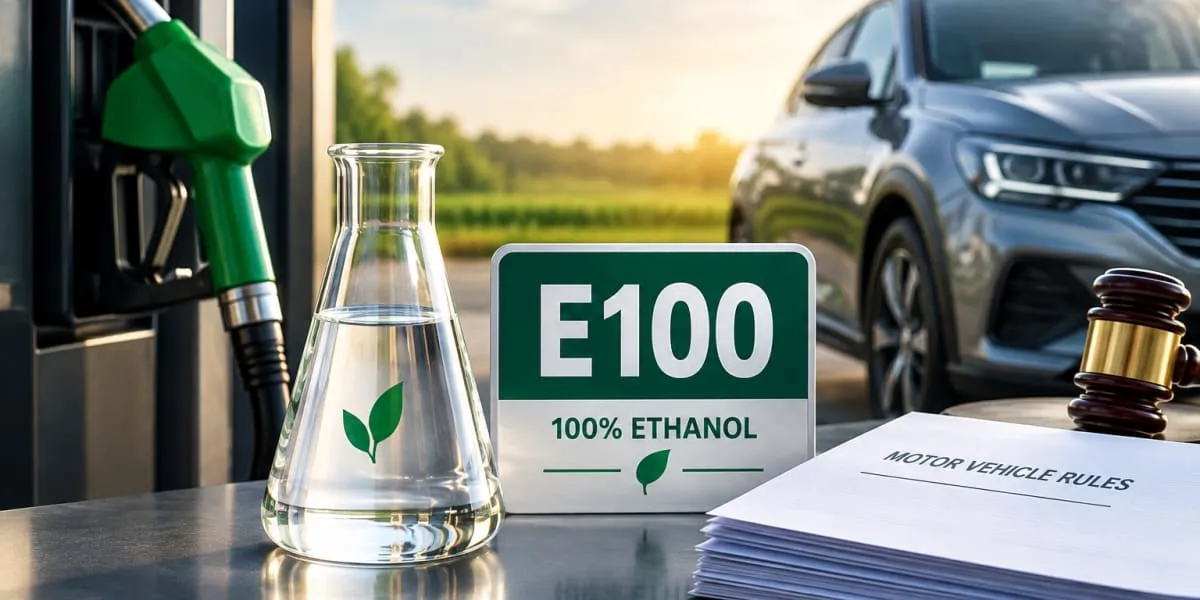
The Ministry of Road Transport and Highways has amended the Central Motor Vehicles Rules to recognise E100 as an approved fuel option alongside E85 for flex-fuel vehicles. The notification was issued on October 23 and published in the official gazette on October 26, bringing the changes into immediate effect.

E100 refers to fuel containing 100 per cent ethanol, or a near-100 per cent concentration where small quantities of water are present to support combustion. Flex-fuel vehicles are designed to operate on varying mixtures of ethanol and petrol, ranging from pure petrol to high-ethanol blends, with onboard sensors adjusting engine parameters as required.

Under the amended rules, vehicles designed and certified for high-ethanol fuels can use both E85, comprising 85 per cent ethanol and 15 per cent petrol, and E100. Conventional petrol vehicles, including those operating on the nationwide E20 blend, are not authorised to use these fuels without the necessary certification and technical modifications.

The final notification follows draft rules issued on April 27. The ministry reviewed objections and suggestions received during the consultation before approving the amendments. The regulatory change provides a formal framework for automakers developing and introducing E100-compatible flex-fuel vehicles in India, with the broader objective of reducing dependence on crude oil imports.

The transition to high-ethanol fuels requires changes to several vehicle systems. Seals, fuel lines and injectors must be upgraded to withstand ethanol’s corrosive properties, while engine management systems require recalibration for its different combustion characteristics. Ethanol provides roughly one-third less energy per litre than petrol, which could require larger fuel tanks or more frequent refuelling. Brazil has operated a mature flex-fuel programme since 2003, although motorists there generally retain the option of buying petrol with lower ethanol content.

The Ministry of Road Transport and Highways has amended the Central Motor Vehicles Rules to recognise E100 as an approved fuel option alongside E85 for flex-fuel vehicles. The notification was issued on October 23 and published in the official gazette on October 26, bringing the changes into immediate effect. E100 refers to fuel containing 100 per cent ethanol, or a near-100 per cent concentration where small quantities of water are present to support combustion. Flex-fuel vehicles are designed to operate on varying mixtures of ethanol and petrol, ranging from pure petrol to high-ethanol blends, with onboard sensors adjusting engine parameters as required. Under the amended rules, vehicles designed and certified for high-ethanol fuels can use both E85, comprising 85 per cent ethanol and 15 per cent petrol, and E100. Conventional petrol vehicles, including those operating on the nationwide E20 blend, are not authorised to use these fuels without the necessary certification and technical modifications. The final notification follows draft rules issued on April 27. The ministry reviewed objections and suggestions received during the consultation before approving the amendments. The regulatory change provides a formal framework for automakers developing and introducing E100-compatible flex-fuel vehicles in India, with the broader objective of reducing dependence on crude oil imports. The transition to high-ethanol fuels requires changes to several vehicle systems. Seals, fuel lines and injectors must be upgraded to withstand ethanol’s corrosive properties, while engine management systems require recalibration for its different combustion characteristics. Ethanol provides roughly one-third less energy per litre than petrol, which could require larger fuel tanks or more frequent refuelling. Brazil has operated a mature flex-fuel programme since 2003, although motorists there generally retain the option of buying petrol with lower ethanol content.

Related Stories

Gold Stories

Next Story
Infrastructure Transport

Vaishnaw Inaugurates Two Rail Sections in Madhya Pradesh

Railway Minister Ashwini Vaishnaw on October 24 inaugurated the Satna-Devendranagar and Rewa-Churhat rail sections under the Lalitpur-Singrauli Railway Project in Madhya Pradesh. He also flagged off the new Devendranagar-Churhat passenger train service through video conferencing. Chief Minister Dr Mohan Yadav attended the event. The new Rewa-Churhat railway line, which extends approximately 65 km, was built at a cost of over Rs. 10 bn. The 53 km Satna-Devendranagar line was constructed at a cost of over Rs. 8 bn. The passenger service is expected to provide improved rail access to residents in..
Next Story
Infrastructure Transport

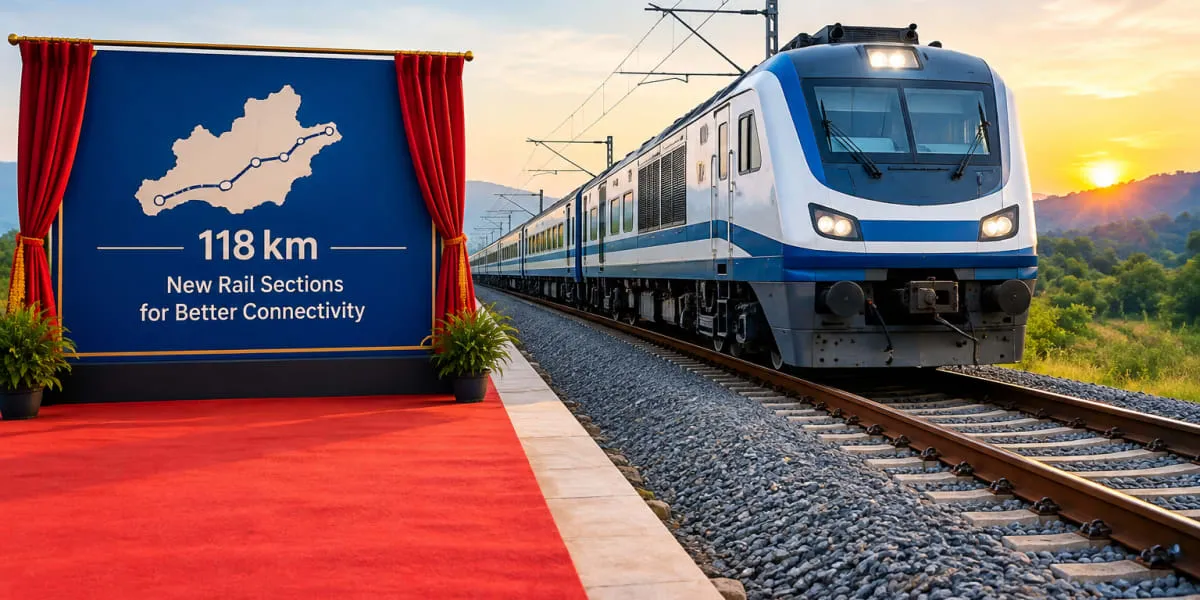
Railways Minister to Inaugurate New Rail Sections Covering 118 km

Railways Minister Ashwini Vaishnaw will inaugurate the Satna-Devendra Nagar and Rewa-Churhat rail sections in Madhya Pradesh on October 24. The two sections have a combined length of 118 km and are intended to improve passenger and freight connectivity across the region. Vaishnaw will also flag off a new train service between Devendra Nagar and Churhat. Madhya Pradesh Chief Minister Mohan Yadav will attend the inauguration programme, according to information released by the Ministry of Railways. The 53-km Satna-Devendra Nagar section is expected to improve rail access to Satna, Nagod, Devendra..

Next Story
Infrastructure Transport

ARSS SCPL JV Secures Rs. 2.4 bn Railway Doubling Contract

ARSS Infrastructure Projects said its joint venture, ARSS SCPL JV, has secured an engineering, procurement and construction (EPC) contract valued at Rs. 2.4 bn from East Central Railway. The project involves railway doubling works in Jharkhand and forms part of the Koderma–Arigada railway doubling initiative. The contract covers a 29.5-km railway stretch between Kathuatia and Hazaribagh Town stations in the Dhanbad Division. The work is intended to add a second railway line along the identified section and includes the construction and installation activities required for the upgraded corrid..

Advertisement

Subscribe to Our Newsletter

Get daily newsletters around different themes from Construction world.

STAY CONNECTED

Advertisement

SPECIAL OFFER
QR Code