Govt may impose add. tax to restrict sale of diesel vehicles
ECONOMY & POLICY

Govt may impose add. tax to restrict sale of diesel vehicles

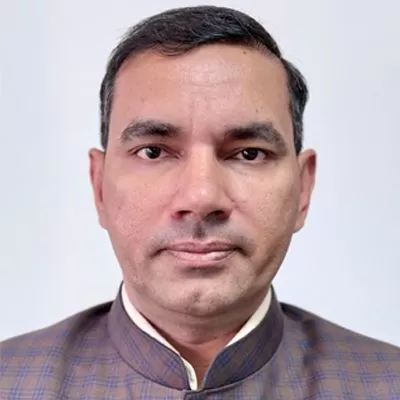
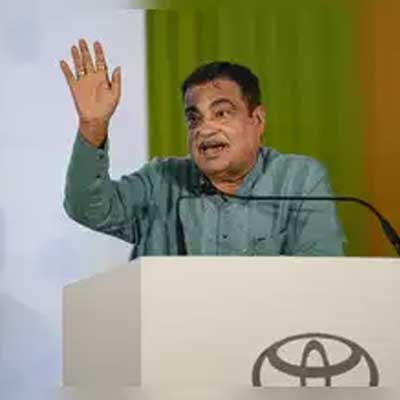
The government is contemplating the imposition of additional taxes on diesel vehicles in an effort to discourage their sale unless automakers willingly transition away from this fuel source, according to Nitin Gadkari, the Minister of Road, Transport & Highways (MoRTH).
During his address at the 63rd Annual Convention of the Society of Indian Automobile Manufacturers (SIAM), Gadkari revealed his intention to propose a 10% additional Goods and Services Tax (GST) on vehicles powered by diesel. This move is aimed at curbing the use of diesel fuel in India's automotive sector.
Gadkari urged automobile manufacturers to reduce the production of diesel vehicles voluntarily, emphasizing that if such reductions do not occur, the government will resort to increasing taxes. He cautioned that these tax increases could potentially reach a level where selling diesel vehicles becomes considerably more challenging for manufacturers.
This proposed tax measure reflects the government's commitment to environmental sustainability and a shift toward cleaner and more sustainable transportation options. It sends a clear signal to the automotive industry to prioritize the development and production of vehicles that are more aligned with the country's environmental goals. The ultimate goal is to reduce the reliance on diesel fuel and promote cleaner and greener alternatives within the Indian automotive landscape.

The government is contemplating the imposition of additional taxes on diesel vehicles in an effort to discourage their sale unless automakers willingly transition away from this fuel source, according to Nitin Gadkari, the Minister of Road, Transport & Highways (MoRTH).During his address at the 63rd Annual Convention of the Society of Indian Automobile Manufacturers (SIAM), Gadkari revealed his intention to propose a 10% additional Goods and Services Tax (GST) on vehicles powered by diesel. This move is aimed at curbing the use of diesel fuel in India's automotive sector.Gadkari urged automobile manufacturers to reduce the production of diesel vehicles voluntarily, emphasizing that if such reductions do not occur, the government will resort to increasing taxes. He cautioned that these tax increases could potentially reach a level where selling diesel vehicles becomes considerably more challenging for manufacturers.This proposed tax measure reflects the government's commitment to environmental sustainability and a shift toward cleaner and more sustainable transportation options. It sends a clear signal to the automotive industry to prioritize the development and production of vehicles that are more aligned with the country's environmental goals. The ultimate goal is to reduce the reliance on diesel fuel and promote cleaner and greener alternatives within the Indian automotive landscape.

Next Story
Infrastructure Urban

Implementation Status of Jal Jeevan Mission

Since August 2019 the Government has implemented Jal Jeevan Mission to provide assured potable water through household tap connections in rural India. At the start of the mission only 32.3 million (mn) rural households, representing 16.7 per cent, were reported to have tap water connections. States and union territories have reported that 125.8 mn additional rural households have since been provided with tap connections. As a result, of about 193.6 mn rural households roughly 158.2 mn, or 81.71 per cent, are reported to have tap water supply at home.\n\nThe State, district and village level st..

Next Story
Infrastructure Urban

Jal Jeevan Mission Reaches Eighty One Per Cent Rural Coverage

The Government reported substantial progress under the Jal Jeevan Mission, launched in August 2019 to provide tap water to every rural household. At launch only 32.3 million (mn) rural households had tap connections and states and Union territories reported provision of 125.8 mn additional households by March 2026. Consequently, out of about 193.6 mn rural households around 158.2 mn, or 81.71 per cent, are reported to have tap water at home. The Finance Minister announced extension of the mission until 2028 in the 2025-26 budget speech. The Swachh Bharat Mission Grameen, launched in October 20..

Next Story
Infrastructure Urban

Empowering Local Governance for Sustainable Rural Water Supply

The Ministry of Jal Shakti has aligned the Jal Jeevan Mission (JJM) with the 73rd Amendment to strengthen village level planning and community ownership of water supply. Gram Panchayats, village water and sanitation committees and Pani Samitis are to plan, implement, manage and maintain piped water systems, with gram sabha processes formalising handover and oversight. Implementation support agencies including non government organisations, community based organisations and self help groups have been empanelled to train local committees and promote women participation. Under JJM, the department ..

Advertisement

Subscribe to Our Newsletter

Get daily newsletters around different themes from Construction world.

STAY CONNECTED

Advertisement

Advertisement

Advertisement