Govt to set up Special Purpose Vehicle soon for land monetisation
ECONOMY & POLICY

Govt to set up Special Purpose Vehicle soon for land monetisation

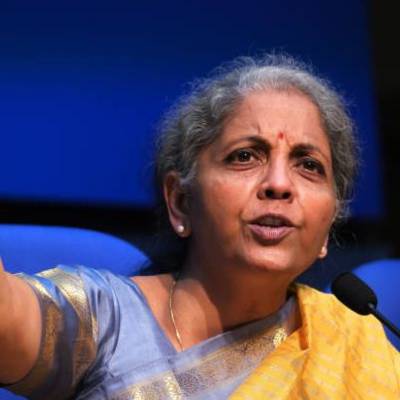
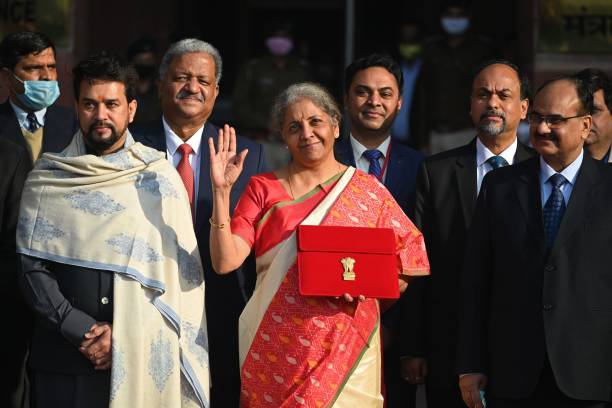
Minister of Finance (MoF), Nirmala Sitharaman, in her Budget Speech 2021-22, announced that a Special Purpose Vehicle (SPV) would be set up for land monetisation and other non-core assets of Central Public Sector Enterprises (CPSEs) or any departmental arms.

According to a survey, the government has planned to set up National Land Monetisation Corporation (NLMC), having an authorised share capital of Rs 5,000 crore and subscribed share capital of Rs 150 crore.

As per the survey, CPSEs have referred around 3,400 acres of land and other non-core assets to the Department of Investment and Public Asset Management (DIPAM) and the Ministry of Finance (MoF) for monetisation.

The monetisation of other non-core assets of different CPSEs like Mahanagar Telephone Nigam Limited (MTNL), Bharat Sanchar Nigam Limited (BSNL), B&R India, Bharat Petroleum Corporation Limited (BPCL), Bharat Earth Movers Limited (BEML),

Hindustan Machine Tools Limited (HMTL), Instrumentation Limited, etc, are under various stages of the transaction.

The monetisation of these non-core assets will help to unlock the values of these unutilised or underutilised assets and generate returns on equity that the government has invested in them. According to sources, NLMC might be set up with a chairman for the private sector and a CEO from the government body.

The SPV under the Department of Public Enterprise (DPE) will help in delinking the closure of a CPSE from the disposal of its immovable assets like free-hold land to avoid delay in the closure of the loss-making entity.

Last year in August, the centre unveiled a National Monetisation Pipeline (NMP) to generate upfront revenue of Rs 6 lakh crore in four years, starting from FY22, from operational infrastructure projects under several long-term leases plans consisting of minimal ceding of government’s ownership of the assets.

This initiative can revert to the path of fiscal consolidation without any lapse of time and create the financial heft to finance the Rs 111 lakh crore National Infrastructure Pipeline (NIP) for FY 21-25 and other capital-intensive ventures.

Image Source

Also read: Centre sets up National Land Monetisation Corporation

Minister of Finance (MoF), Nirmala Sitharaman, in her Budget Speech 2021-22, announced that a Special Purpose Vehicle (SPV) would be set up for land monetisation and other non-core assets of Central Public Sector Enterprises (CPSEs) or any departmental arms. According to a survey, the government has planned to set up National Land Monetisation Corporation (NLMC), having an authorised share capital of Rs 5,000 crore and subscribed share capital of Rs 150 crore. As per the survey, CPSEs have referred around 3,400 acres of land and other non-core assets to the Department of Investment and Public Asset Management (DIPAM) and the Ministry of Finance (MoF) for monetisation. The monetisation of other non-core assets of different CPSEs like Mahanagar Telephone Nigam Limited (MTNL), Bharat Sanchar Nigam Limited (BSNL), B&R India, Bharat Petroleum Corporation Limited (BPCL), Bharat Earth Movers Limited (BEML), Hindustan Machine Tools Limited (HMTL), Instrumentation Limited, etc, are under various stages of the transaction. The monetisation of these non-core assets will help to unlock the values of these unutilised or underutilised assets and generate returns on equity that the government has invested in them. According to sources, NLMC might be set up with a chairman for the private sector and a CEO from the government body. The SPV under the Department of Public Enterprise (DPE) will help in delinking the closure of a CPSE from the disposal of its immovable assets like free-hold land to avoid delay in the closure of the loss-making entity. Last year in August, the centre unveiled a National Monetisation Pipeline (NMP) to generate upfront revenue of Rs 6 lakh crore in four years, starting from FY22, from operational infrastructure projects under several long-term leases plans consisting of minimal ceding of government’s ownership of the assets. This initiative can revert to the path of fiscal consolidation without any lapse of time and create the financial heft to finance the Rs 111 lakh crore National Infrastructure Pipeline (NIP) for FY 21-25 and other capital-intensive ventures. Image Source Also read: Centre sets up National Land Monetisation Corporation

Next Story
Infrastructure Urban

Implementation Status of Jal Jeevan Mission

Since August 2019 the Government has implemented Jal Jeevan Mission to provide assured potable water through household tap connections in rural India. At the start of the mission only 32.3 million (mn) rural households, representing 16.7 per cent, were reported to have tap water connections. States and union territories have reported that 125.8 mn additional rural households have since been provided with tap connections. As a result, of about 193.6 mn rural households roughly 158.2 mn, or 81.71 per cent, are reported to have tap water supply at home.\n\nThe State, district and village level st..

Next Story
Infrastructure Urban

Jal Jeevan Mission Reaches Eighty One Per Cent Rural Coverage

The Government reported substantial progress under the Jal Jeevan Mission, launched in August 2019 to provide tap water to every rural household. At launch only 32.3 million (mn) rural households had tap connections and states and Union territories reported provision of 125.8 mn additional households by March 2026. Consequently, out of about 193.6 mn rural households around 158.2 mn, or 81.71 per cent, are reported to have tap water at home. The Finance Minister announced extension of the mission until 2028 in the 2025-26 budget speech. The Swachh Bharat Mission Grameen, launched in October 20..

Next Story
Infrastructure Urban

Empowering Local Governance for Sustainable Rural Water Supply

The Ministry of Jal Shakti has aligned the Jal Jeevan Mission (JJM) with the 73rd Amendment to strengthen village level planning and community ownership of water supply. Gram Panchayats, village water and sanitation committees and Pani Samitis are to plan, implement, manage and maintain piped water systems, with gram sabha processes formalising handover and oversight. Implementation support agencies including non government organisations, community based organisations and self help groups have been empanelled to train local committees and promote women participation. Under JJM, the department ..

Advertisement

Subscribe to Our Newsletter

Get daily newsletters around different themes from Construction world.

STAY CONNECTED

Advertisement

Advertisement

Advertisement