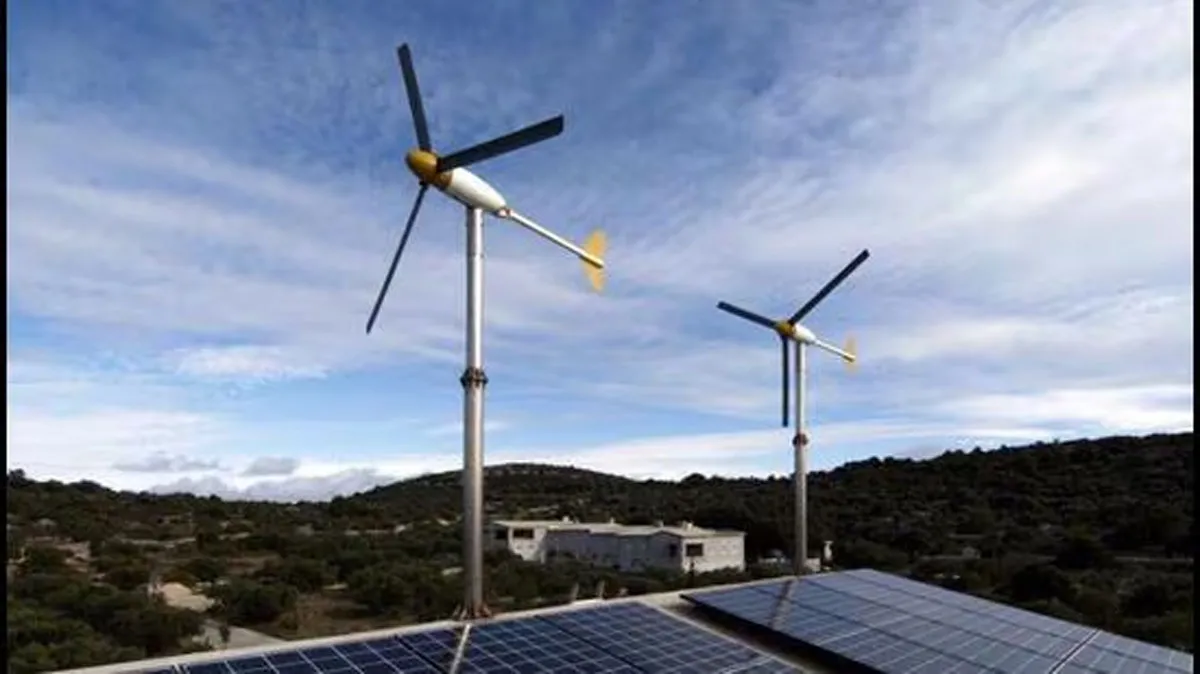
Gujarat Allows Rooftop Wind Under New Renewables Policy
POWER & RENEWABLE ENERGY

Gujarat Allows Rooftop Wind Under New Renewables Policy

Gujarat’s new renewable energy policy has enabled individuals to install mini and micro wind turbines on rooftops of private premises for captive consumption and limited export to the grid, opening a new segment in decentralised clean energy generation. The Integrated Renewable Energy Policy, notified on December 25, provides a long-term framework for renewable energy development up to 2030 and positions the state as a competitive clean energy hub, with a target of over 100 GW of renewable capacity.

A senior official at Gujarat Urja Vikas Nigam Limited said the rooftop wind segment is still at a nascent stage, with only a handful of manufacturers, largely start-ups, currently active. Pilot projects have already been carried out and some rooftop installations are operational, though overall numbers remain limited. The policy is designed for the next five years, focusing on enabling systems and market readiness rather than immediate large-scale deployment.

Rooftop wind systems currently cost about Rs 0.1 million per kilowatt of installed capacity, making them more expensive than rooftop solar. However, officials said wind turbines offer higher utilisation levels. Wind systems can achieve generation levels of around 35 per cent, compared with about 18 to 20 per cent for solar panels. A hybrid rooftop setup combining wind and solar could therefore help optimise both costs and energy output.

The official added that the policy is not subsidy-driven at this stage. Instead, the emphasis is on registration, system enablement and preparing the ecosystem for long-term growth, with the state prioritising future potential over rapid near-term scale-up.

Pune-based Revayu Energy, which is working on rooftop and small-scale wind systems in Gujarat, said it has executed pilot rooftop projects in cities such as Surat and Porbandar. According to Shravan Kumar Verma, Project Execution Head at Revayu Energy, one of the installations is a wind-solar hybrid and both projects are grid-connected. He said the cost of installation, commissioning and testing for pilot projects was about Rs 0.2 million per kilowatt, but under the new policy, costs could fall to around Rs 80,000–90,000 per kilowatt.

Gujarat’s new renewable energy policy has enabled individuals to install mini and micro wind turbines on rooftops of private premises for captive consumption and limited export to the grid, opening a new segment in decentralised clean energy generation. The Integrated Renewable Energy Policy, notified on December 25, provides a long-term framework for renewable energy development up to 2030 and positions the state as a competitive clean energy hub, with a target of over 100 GW of renewable capacity. A senior official at Gujarat Urja Vikas Nigam Limited said the rooftop wind segment is still at a nascent stage, with only a handful of manufacturers, largely start-ups, currently active. Pilot projects have already been carried out and some rooftop installations are operational, though overall numbers remain limited. The policy is designed for the next five years, focusing on enabling systems and market readiness rather than immediate large-scale deployment. Rooftop wind systems currently cost about Rs 0.1 million per kilowatt of installed capacity, making them more expensive than rooftop solar. However, officials said wind turbines offer higher utilisation levels. Wind systems can achieve generation levels of around 35 per cent, compared with about 18 to 20 per cent for solar panels. A hybrid rooftop setup combining wind and solar could therefore help optimise both costs and energy output. The official added that the policy is not subsidy-driven at this stage. Instead, the emphasis is on registration, system enablement and preparing the ecosystem for long-term growth, with the state prioritising future potential over rapid near-term scale-up. Pune-based Revayu Energy, which is working on rooftop and small-scale wind systems in Gujarat, said it has executed pilot rooftop projects in cities such as Surat and Porbandar. According to Shravan Kumar Verma, Project Execution Head at Revayu Energy, one of the installations is a wind-solar hybrid and both projects are grid-connected. He said the cost of installation, commissioning and testing for pilot projects was about Rs 0.2 million per kilowatt, but under the new policy, costs could fall to around Rs 80,000–90,000 per kilowatt.

Next Story
Real Estate

Indian real estate attracts USD 1.4 bn institutional investments in Q1 2026: Vestian

Institutional investments in India’s real estate sector touched USD 1.4 billion in Q1 2026, marking the highest first-quarter inflow since 2022, according to Vestian. While investments fell 62 per cent quarter-on-quarter due to an exceptionally high base in the previous quarter, they rose 74 per cent compared to the same period last year, reflecting sustained investor confidence despite rising geopolitical and macroeconomic challenges.Commercial real estate remained the key driver of investment activity during the quarter, accounting for 80 per cent of total inflows, sharply higher than 38 p..
Next Story
Infrastructure Transport

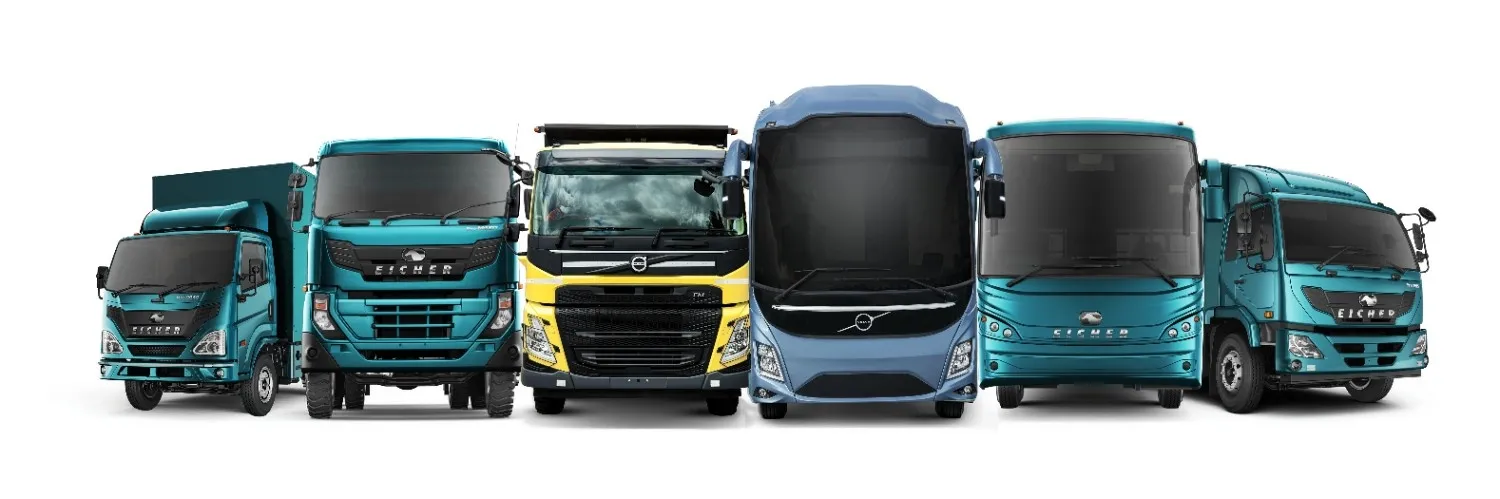
VECV crosses 1 lakh annual vehicle sales milestone in FY26

VE Commercial Vehicles (VECV), a joint venture between Volvo Group and Eicher Motors, has surpassed the 1 lakh annual sales mark in FY 2025–26, recording its highest-ever commercial vehicle sales performance. The company said it sold more than 100,000 vehicles during the year, marking a major milestone aligned with the original vision of the Volvo–Eicher joint venture.The strong performance was supported by demand across categories. Light and Medium Duty (LMD) trucks contributed 47,789 units, accounting for 46.1 per cent of total sales. Heavy Duty (HD) trucks recorded 26,867 units (25.9 pe..
Next Story
Technology

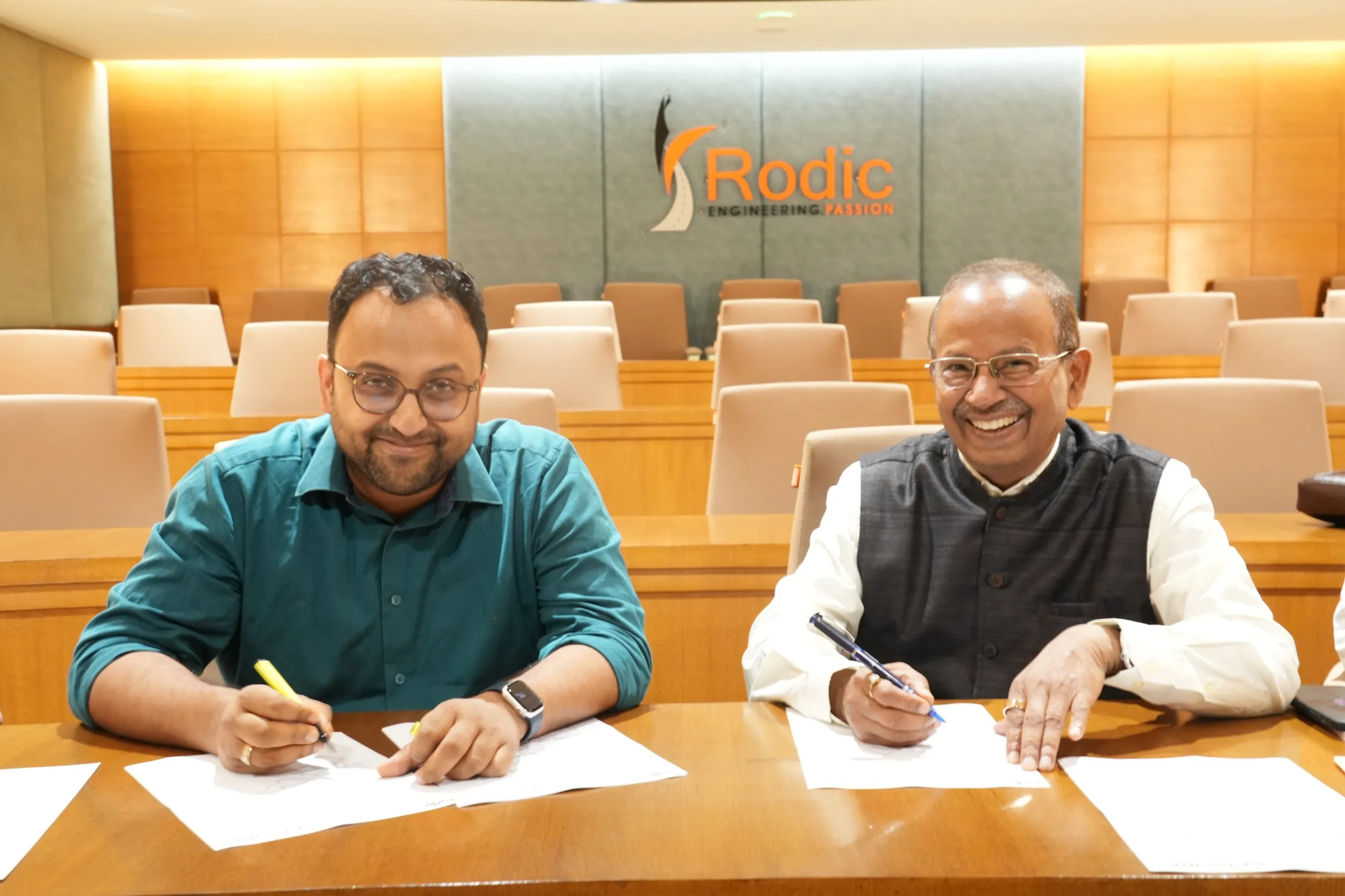
Rodic Digital & Advisory partners SatSure to deploy EO intelligence in public sector

Rodic Digital & Advisory (RDA), the strategic advisory and digital transformation arm of Rodic Consultants, has signed a strategic cooperation Memorandum of Understanding (MoU) with SatSure to jointly pursue opportunities in India’s public sector. The collaboration aims to integrate high-resolution Earth Observation (EO) data and geospatial AI into government workflows to strengthen monitoring, compliance, and operational decision-making across key sectors.The partnership combines SatSure’s Earth intelligence capabilities with RDA’s expertise in government digital transformation and ..

Advertisement

Subscribe to Our Newsletter

Get daily newsletters around different themes from Construction world.

STAY CONNECTED

Advertisement

Advertisement

Advertisement