


Himachal HC Seeks NHAI Reply on Twin Tunnel Plan
ECONOMY & POLICY

Himachal HC Seeks NHAI Reply on Twin Tunnel Plan

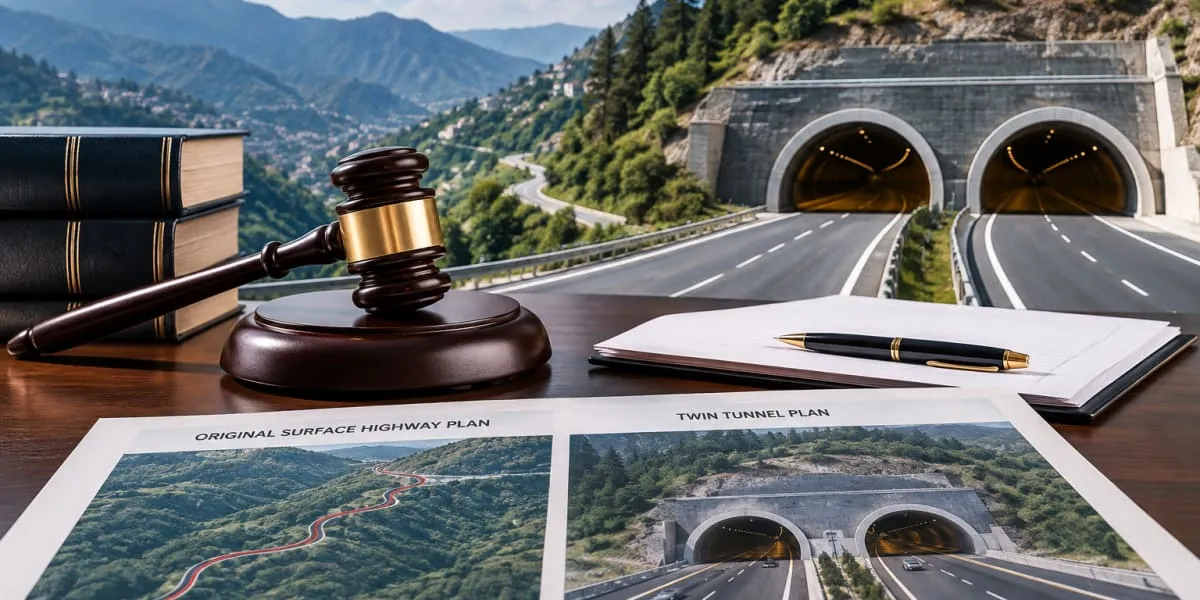
The Himachal Pradesh High Court has sought a specific response from the National Highways Authority of India (NHAI) on its decision to abandon the original surface highway plan for the Shimla Bypass and construct twin tunnels instead. The court also sought an explanation for the expenditure of about Rs. 6 bn on land acquisition and compensation for the earlier alignment.

Justice Sandeep Sharma issued notices to the Union government, the Himachal Pradesh government, NHAI and the Shimla Deputy Commissioner on a petition filed by eight residents of Sanjauli. The respondents have been directed to file their replies within two weeks, with the matter listed for further hearing on November 17.

The petitioners have sought an immediate halt to construction of the twin-tube Chalauthi-Sanjauli-Bhatta Kufar tunnel under Package 2 of the bypass project. They have alleged that excavation and tunnelling damaged residential buildings above the alignment, with some houses subsequently declared unsafe. NHAI informed the court that work had been suspended on September 18 and would not resume until an expert team from IIT Roorkee submitted its safety report.

The court did not issue a formal injunction but indicated that construction should remain suspended until the next hearing, consistent with NHAI’s stated position. It directed the authority to explain why the surface alignment through Chhakrail, Bhatta Kufar and Dhalli was abandoned after land had been acquired and compensation distributed to landowners and displaced families.

According to the petition, about 88 families were displaced after their houses were demolished, while at least 16 buildings near the tunnel have suffered structural damage. Nearly 1,000 families live in the densely populated area. The petitioners have cited Geological Survey of India concerns about tunnelling beneath residential areas, including locations where the tunnel would be only 14 metres below the surface. Residents’ protests have called for a safety assessment, a review of the revised alignment, protection for affected buildings and compensation for damaged homes.

The Himachal Pradesh High Court has sought a specific response from the National Highways Authority of India (NHAI) on its decision to abandon the original surface highway plan for the Shimla Bypass and construct twin tunnels instead. The court also sought an explanation for the expenditure of about Rs. 6 bn on land acquisition and compensation for the earlier alignment. Justice Sandeep Sharma issued notices to the Union government, the Himachal Pradesh government, NHAI and the Shimla Deputy Commissioner on a petition filed by eight residents of Sanjauli. The respondents have been directed to file their replies within two weeks, with the matter listed for further hearing on November 17. The petitioners have sought an immediate halt to construction of the twin-tube Chalauthi-Sanjauli-Bhatta Kufar tunnel under Package 2 of the bypass project. They have alleged that excavation and tunnelling damaged residential buildings above the alignment, with some houses subsequently declared unsafe. NHAI informed the court that work had been suspended on September 18 and would not resume until an expert team from IIT Roorkee submitted its safety report. The court did not issue a formal injunction but indicated that construction should remain suspended until the next hearing, consistent with NHAI’s stated position. It directed the authority to explain why the surface alignment through Chhakrail, Bhatta Kufar and Dhalli was abandoned after land had been acquired and compensation distributed to landowners and displaced families. According to the petition, about 88 families were displaced after their houses were demolished, while at least 16 buildings near the tunnel have suffered structural damage. Nearly 1,000 families live in the densely populated area. The petitioners have cited Geological Survey of India concerns about tunnelling beneath residential areas, including locations where the tunnel would be only 14 metres below the surface. Residents’ protests have called for a safety assessment, a review of the revised alignment, protection for affected buildings and compensation for damaged homes.

Related Stories

Gold Stories

Next Story
Infrastructure Urban

Welspun One unveils Diwali campaign for World Trade Center Thane

Welspun One has unveiled A Dream Diwali, a festive brand film promoting World Trade Center Thane, its proposed mixed-use development in the Mumbai Metropolitan Region (MMR). The campaign uses individual interpretations of an ideal Diwali to introduce the experiences and offerings planned at the development.The film follows different characters as they share their festive wishes and go about activities such as shopping, meeting friends, playing games and spending time with family. Through these everyday moments, the campaign presents the idea that celebrations are personal and that different ge..

Next Story
Equipment

BorgWarner secures three turbocharger contracts with global powertrain leader

BorgWarner has secured three new turbocharger contracts with a global powertrain technology company. The wins comprise one contract for its variable turbine geometry (VTG) turbocharger and two for its wastegate turbocharger. The technologies will be deployed in the customer's light-vehicle gasoline platforms in South America and Europe, with production scheduled to begin in 2027.The VTG turbochargers are designed for gasoline engines operating under demanding conditions and high-boost pressure requirements. They are engineered to support Miller-cycle engines and withstand exhaust temperatures ..
Next Story
Infrastructure Transport

International Digi Yatra Trials Begin at Seven Airports

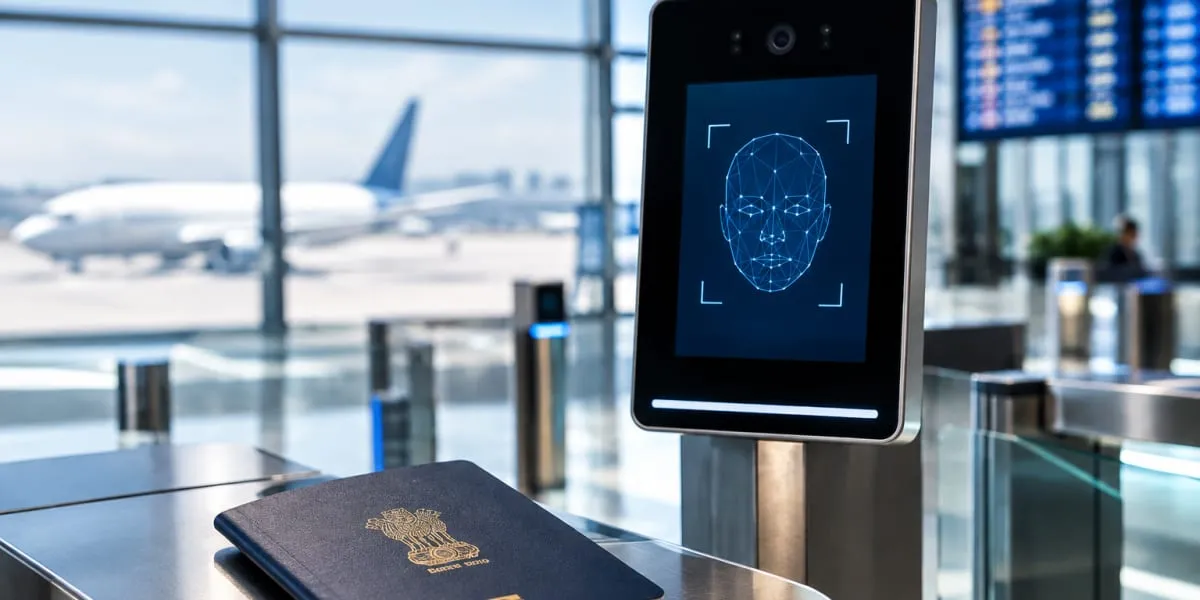
India has begun trials of Digi Yatra for international passengers at seven airports, allowing eligible Indian passport holders to use facial recognition at selected airport checkpoints. The facility is currently limited to Indian nationals with e-passports travelling on selected international flights operated by Air India and IndiGo. The Civil Aviation Ministry announced the trials on 1 November, with testing scheduled through December 2026. A wider rollout is expected in 2027 after the ministry assesses passenger feedback gathered during the trial period, according to PTI. The system is inten..

Advertisement

Subscribe to Our Newsletter

Get daily newsletters around different themes from Construction world.

STAY CONNECTED

Advertisement

SPECIAL OFFER
QR Code