Hindustan Zinc Deploys Tele-Remote Drilling at Rajpura Dariba
ECONOMY & POLICY

Hindustan Zinc Deploys Tele-Remote Drilling at Rajpura Dariba

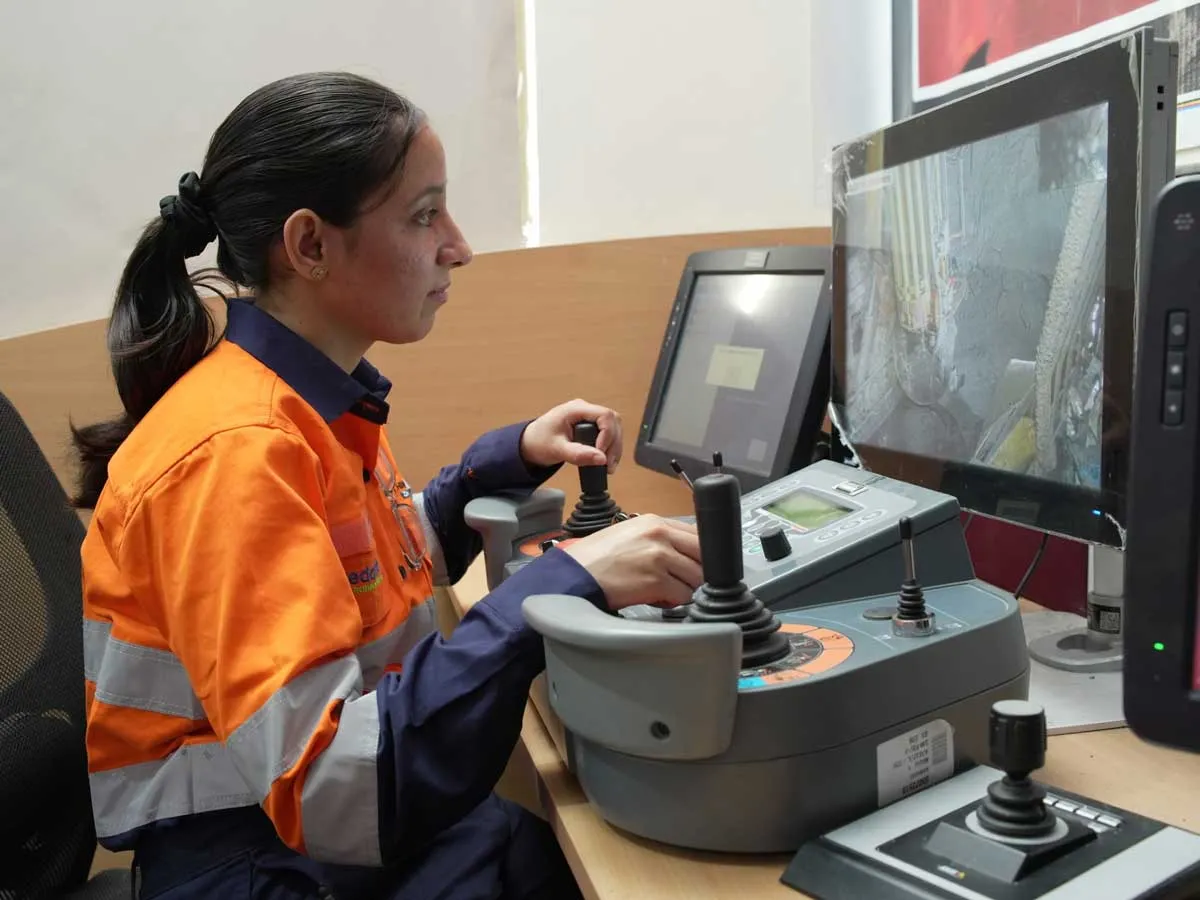
Hindustan Zinc has deployed an advanced tele-remote drilling system at its Rajpura Dariba mine in Rajasthan, strengthening its push towards digitally enabled and highly automated underground mining operations. The system allows engineers to operate drilling equipment remotely from the surface with real-time precision, improving both safety and efficiency.
Currently effective across a range of 600 m and scalable up to 800 m, the technology delivers drilling speeds of around 60 m per hour. Supported by strong wireless connectivity, it enables continuous drilling across shifts, improving utilisation and efficiency, with an overall productivity gain of around 17 per cent.
The technology has already been implemented at Hindustan Zinc’s Sindesar Khurd and Rampura Agucha mines, where it has improved safety, equipment utilisation and production efficiency.
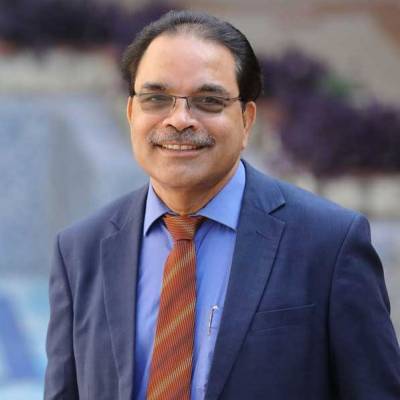
Arun Misra, CEO and Whole-Time Director, Hindustan Zinc, said, “The deployment of tele-remote system at Rajpura Dariba highlights our focus on creating intelligent, future-ready mining systems powered by automation and digital innovation. By integrating advanced technologies across our operations, we are enhancing performance, reliability, and sustainability while setting new benchmarks for the mining industry in India.”
Hindustan Zinc continues to advance innovation across the metals and mining sector through technologies that improve safety, efficiency and sustainability. The company is currently working with more than 20 technology start-ups on over 50 projects through V Spark Deeptech Ventures, focusing on production enhancement, cost optimisation, value creation, ESG leadership and safer operations.
The company has also embedded robotics, artificial intelligence, blockchain and the Industrial Internet of Things across its operations. Recently, it introduced an AI-powered camera surveillance system aimed at improving workplace safety, operational efficiency and compliance monitoring, resulting in nearly 50 per cent lower manual intervention. It has also deployed robotic automation in high-temperature smelting operations to improve precision, streamline metallurgical workflows and ensure product quality.
Looking ahead, Hindustan Zinc plans to introduce LiDAR-enabled drone-based stope scanning to improve the accuracy of underground mine mapping and optimise extraction planning. Through these initiatives, the company continues to strengthen its technology-led mining operations in India.

Hindustan Zinc has deployed an advanced tele-remote drilling system at its Rajpura Dariba mine in Rajasthan, strengthening its push towards digitally enabled and highly automated underground mining operations. The system allows engineers to operate drilling equipment remotely from the surface with real-time precision, improving both safety and efficiency.Currently effective across a range of 600 m and scalable up to 800 m, the technology delivers drilling speeds of around 60 m per hour. Supported by strong wireless connectivity, it enables continuous drilling across shifts, improving utilisation and efficiency, with an overall productivity gain of around 17 per cent.The technology has already been implemented at Hindustan Zinc’s Sindesar Khurd and Rampura Agucha mines, where it has improved safety, equipment utilisation and production efficiency.Arun Misra, CEO and Whole-Time Director, Hindustan Zinc, said, “The deployment of tele-remote system at Rajpura Dariba highlights our focus on creating intelligent, future-ready mining systems powered by automation and digital innovation. By integrating advanced technologies across our operations, we are enhancing performance, reliability, and sustainability while setting new benchmarks for the mining industry in India.”Hindustan Zinc continues to advance innovation across the metals and mining sector through technologies that improve safety, efficiency and sustainability. The company is currently working with more than 20 technology start-ups on over 50 projects through V Spark Deeptech Ventures, focusing on production enhancement, cost optimisation, value creation, ESG leadership and safer operations.The company has also embedded robotics, artificial intelligence, blockchain and the Industrial Internet of Things across its operations. Recently, it introduced an AI-powered camera surveillance system aimed at improving workplace safety, operational efficiency and compliance monitoring, resulting in nearly 50 per cent lower manual intervention. It has also deployed robotic automation in high-temperature smelting operations to improve precision, streamline metallurgical workflows and ensure product quality.Looking ahead, Hindustan Zinc plans to introduce LiDAR-enabled drone-based stope scanning to improve the accuracy of underground mine mapping and optimise extraction planning. Through these initiatives, the company continues to strengthen its technology-led mining operations in India.

Next Story
Infrastructure Transport

Contracts, Corridors and Cash Flows

India’s roads sector enters 2026 at a decisive junction, where the conversation is no longer about kilometres alone but contracts that allocate risk wisely, corridors that unlock economic value, and cash flows that remain credible over the long term. After more than a decade of relentless expansion, India’s road-building ecosystem is moving into a phase of maturity – where engineering complexity, financial discipline and institutional coordination matter more than sheer scale.Between 2014 and 2024, India built highways at a pace few nations have ever matched. National Highway length expa..

Next Story
Real Estate

The Walled Garden

I am not suggesting Indian architects are inadequate. The profession has produced extraordinary work – from Charles Correa's quiet humanism to Balkrishna Doshi's Nobel-recognised genius. However, the regulatory barriers meant to protect the profession are holding it back. It is time for an honest conversation about this.The Architects Act of 1972 established the Council of Architecture (COA) as the statutory body regulating architecture practice in India. Its founding logic was sound: to ensure those calling themselves architects meet a minimum standard of competence and to protect the publi..

Next Story
Real Estate

We completed a 1BHK home on a private island in 7 days!

Reimagining construction through a ‘War on Waste’, Circato founders T Paul Koshy, Sushma Joseph and Praveen Crasta speak to CW on turning single-use plastic into high-performance building systems – demonstrated at Bengaluru International Airport with a 16-ft wall installed in just 48 hours.What specific gap in the construction ecosystem led to the creation of Circato?Sushma Joseph: We felt the industry had normalised inefficiency. In construction, timelines, costs and outcomes often remain uncertain, yet that is widely accepted. We wanted to show that inefficiencies can be..

Advertisement

Subscribe to Our Newsletter

Get daily newsletters around different themes from Construction world.

STAY CONNECTED

Advertisement

Advertisement

Advertisement