IISc and C-MET named Centres of Excellence in critical minerals
ECONOMY & POLICY

IISc and C-MET named Centres of Excellence in critical minerals

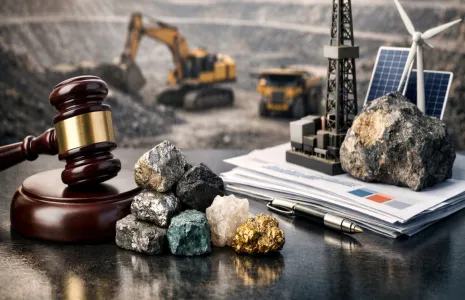
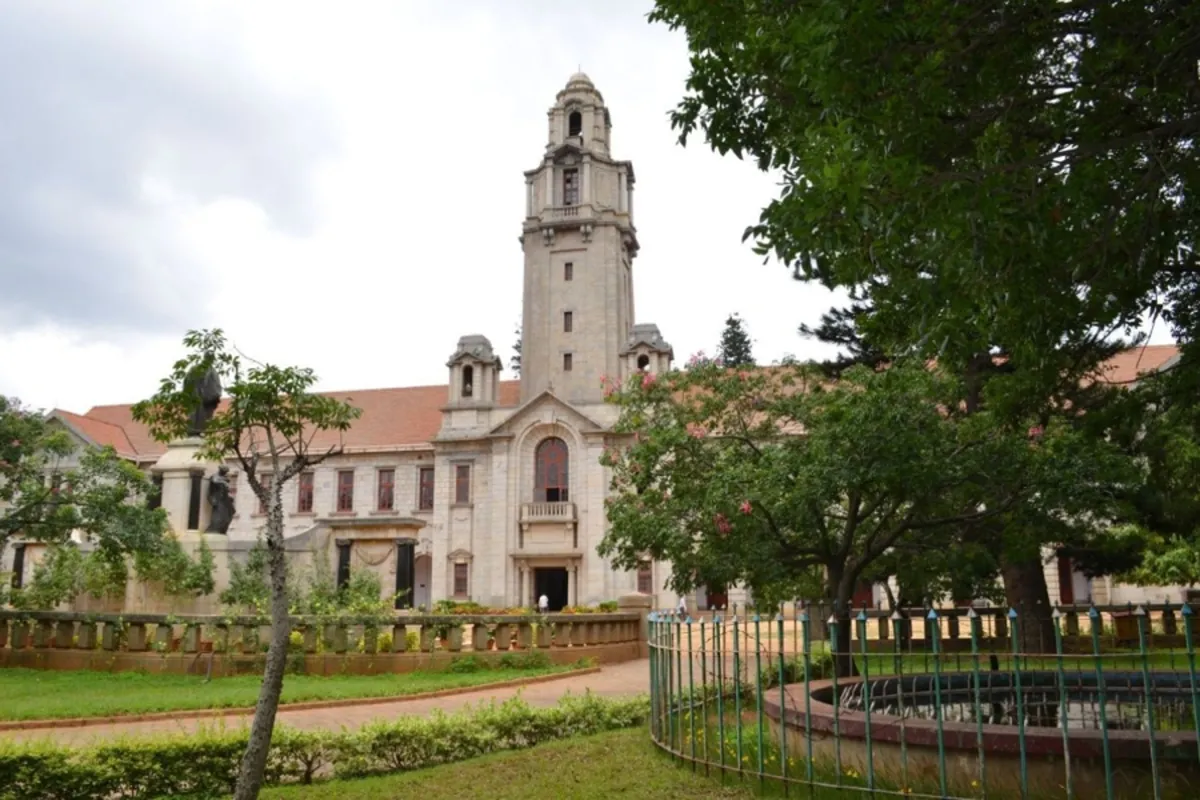
The Ministry of Mines has recognised two additional institutes — the Indian Institute of Science (IISc), Bangalore, and the Centre for Materials for Electronics Technology (C-MET), Hyderabad — as Centres of Excellence (CoE) under the National Critical Mineral Mission (NCMM). This brings the total number of recognised CoEs to nine.

The decision was approved by the Project Approval and Advisory Committee (PAAC) during its meeting on 24 October 2025, co-chaired by Shri Piyush Goyal, Secretary, Ministry of Mines, and Prof. Abhay Karandikar, Secretary, Department of Science and Technology.

Advancing India’s Critical Mineral Capabilities

Critical raw materials play a vital role in the supply chains of emerging sectors such as clean energy, electric mobility, advanced technology, defence, space, and electronics. To strengthen India’s self-reliance in these areas, the Centres of Excellence will focus on research and development (R&D) aimed at achieving higher Technology Readiness Levels (TRL 7/8) through pilot plant and pre-commercial demonstrations.

The CoEs will pursue innovative and transformational research to enhance India’s science and technology capabilities in the critical minerals domain — a key step in ensuring secure and sustainable access to essential materials.

Hub-and-Spoke Collaboration Model

Each CoE will operate under a Hub and Spoke model, bringing together the core competencies of its consortium members under one framework. As per the CoE guidelines, the hub institute must include at least two industry partners and two R&D or academic institutions as spokes.

Collectively, the nine Centres of Excellence have onboarded around 90 industry, academic, and research partners, reflecting strong collaboration between the government, industry, and scientific community.

The initiative is a key part of India’s strategy to build an integrated value chain for critical minerals — from exploration and extraction to processing and recycling — thereby supporting the nation’s clean energy transition and strategic technology development.

The Ministry of Mines has recognised two additional institutes — the Indian Institute of Science (IISc), Bangalore, and the Centre for Materials for Electronics Technology (C-MET), Hyderabad — as Centres of Excellence (CoE) under the National Critical Mineral Mission (NCMM). This brings the total number of recognised CoEs to nine. The decision was approved by the Project Approval and Advisory Committee (PAAC) during its meeting on 24 October 2025, co-chaired by Shri Piyush Goyal, Secretary, Ministry of Mines, and Prof. Abhay Karandikar, Secretary, Department of Science and Technology. Advancing India’s Critical Mineral Capabilities Critical raw materials play a vital role in the supply chains of emerging sectors such as clean energy, electric mobility, advanced technology, defence, space, and electronics. To strengthen India’s self-reliance in these areas, the Centres of Excellence will focus on research and development (R&D) aimed at achieving higher Technology Readiness Levels (TRL 7/8) through pilot plant and pre-commercial demonstrations. The CoEs will pursue innovative and transformational research to enhance India’s science and technology capabilities in the critical minerals domain — a key step in ensuring secure and sustainable access to essential materials. Hub-and-Spoke Collaboration Model Each CoE will operate under a Hub and Spoke model, bringing together the core competencies of its consortium members under one framework. As per the CoE guidelines, the hub institute must include at least two industry partners and two R&D or academic institutions as spokes. Collectively, the nine Centres of Excellence have onboarded around 90 industry, academic, and research partners, reflecting strong collaboration between the government, industry, and scientific community. The initiative is a key part of India’s strategy to build an integrated value chain for critical minerals — from exploration and extraction to processing and recycling — thereby supporting the nation’s clean energy transition and strategic technology development.

Next Story
Infrastructure Urban

CM Inaugurates Rs 3.7 Billion Vilholi Water Treatment Plant in Nashik

Chief Minister Devendra Fadnavis inaugurated the Nashik Municipal Corporation’s 274 MLD Vilholi Water Treatment Plant and the upgraded Mukane water supply scheme, a Rs 3.7 billion project designed to provide a reliable and sustainable water supply to more than 55 lakh residents. The system will also cater to over 1 crore visitors expected during the 2027 Simhastha Kumbh Mela.Funded partly through Rs 2 billion Green Sustainable Bonds, the project strengthens Nashik’s long-term water security, ensures year-round availability, and enhances the city’s preparedness for peak tourist inflow. It..

Next Story
Infrastructure Urban

Indian Speciality Chemical Industry Poised for Strong Global Growth

The International Center for Biosaline Agriculture (ICBA), in partnership with Al Rostamani Group, has inaugurated three major facilities at its Dubai headquarters: a Training and Knowledge Transfer Building, a Plant Tissue Culture Laboratory, and an Integrated Agri-Aquaculture System. The launch took place in the presence of H.E. Dr. Amna bint Abdullah Al Dahak, Minister of Climate Change and Environment, marking a significant step forward in strengthening the UAE’s agricultural innovation ecosystem.Fully funded by Al Rostamani Group, the new facilities reinforce ICBA’s role as a leading ..

Next Story
Infrastructure Energy

Mooreast to Explore Up to 500 MW RE Projects in Timor-Leste

Mooreast Holdings, listed on the Singapore Exchange Catalist, announced that it will begin feasibility studies this month for the development of up to 500 megawatts (MW) of large-scale renewable energy (RE) projects in Timor-Leste.The studies follow a Letter of Intent (LOI) signed between Mooreast and the Secretario de Estado de Electricidade Agua e Saneamento (SEEAS), the secretariat for Electricity, Water and Sanitation under Timor-Leste’s Ministry of Public Works. Under the LOI, Mooreast will explore the development of 300–500 MW of floating renewable energy over the next five to ten ye..

Advertisement

Subscribe to Our Newsletter

Get daily newsletters around different themes from Construction world.

STAY CONNECTED

Advertisement

Advertisement

Advertisement