


India Boosts Export Promotion
ECONOMY & POLICY

India Boosts Export Promotion

India's Ministry of Commerce and Industry has initiated various measures to enhance export promotion efforts amidst the challenges posed by the COVID-19 pandemic. These initiatives aim to support businesses, enhance competitiveness, and stimulate economic recovery in the export sector.

The implementation of the Remission of Duties and Taxes on Exported Products (RoDTEP) scheme is one of the key measures introduced. This scheme seeks to reimburse various taxes and duties incurred in the production and distribution of exported goods, improving the competitiveness of Indian products in the global market.

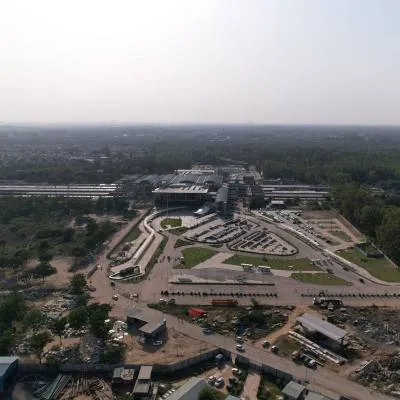
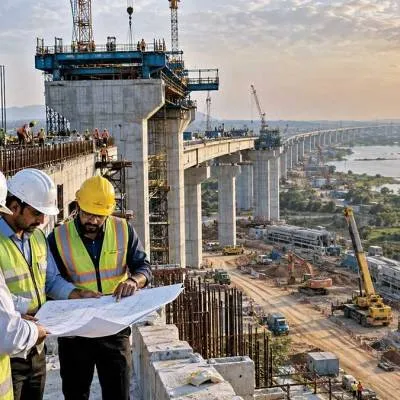
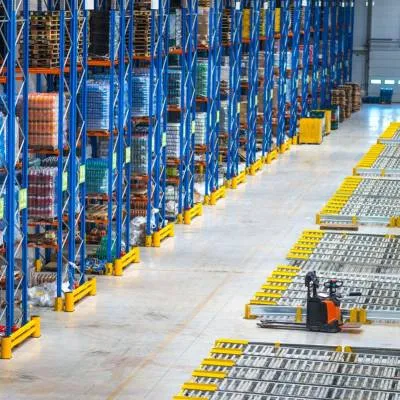
Additionally, efforts to address logistical challenges faced by exporters are underway, including improving port infrastructure and streamlining customs procedures. These measures aim to reduce transaction costs and facilitate smoother trade operations, thereby enhancing India's export competitiveness.

Furthermore, the Ministry is actively engaging with industry stakeholders to identify and address sector-specific issues hindering export growth. This collaborative approach ensures that policy interventions are tailored to the needs and challenges faced by different sectors, maximizing their effectiveness in promoting exports.

The export promotion measures implemented by India underscore the government's commitment to supporting businesses and driving economic recovery post-pandemic. By incentivizing exports and addressing key bottlenecks in trade infrastructure and procedures, India aims to revive growth momentum in the export sector and position itself as a competitive player in the global marketplace.

Overall, these initiatives signify India's proactive stance in leveraging trade as a driver of economic growth and resilience in the face of unprecedented challenges posed by the COVID-19 pandemic.

India's Ministry of Commerce and Industry has initiated various measures to enhance export promotion efforts amidst the challenges posed by the COVID-19 pandemic. These initiatives aim to support businesses, enhance competitiveness, and stimulate economic recovery in the export sector. The implementation of the Remission of Duties and Taxes on Exported Products (RoDTEP) scheme is one of the key measures introduced. This scheme seeks to reimburse various taxes and duties incurred in the production and distribution of exported goods, improving the competitiveness of Indian products in the global market. Additionally, efforts to address logistical challenges faced by exporters are underway, including improving port infrastructure and streamlining customs procedures. These measures aim to reduce transaction costs and facilitate smoother trade operations, thereby enhancing India's export competitiveness. Furthermore, the Ministry is actively engaging with industry stakeholders to identify and address sector-specific issues hindering export growth. This collaborative approach ensures that policy interventions are tailored to the needs and challenges faced by different sectors, maximizing their effectiveness in promoting exports. The export promotion measures implemented by India underscore the government's commitment to supporting businesses and driving economic recovery post-pandemic. By incentivizing exports and addressing key bottlenecks in trade infrastructure and procedures, India aims to revive growth momentum in the export sector and position itself as a competitive player in the global marketplace. Overall, these initiatives signify India's proactive stance in leveraging trade as a driver of economic growth and resilience in the face of unprecedented challenges posed by the COVID-19 pandemic.

Next Story
Infrastructure Transport

Kavach 4.0 Commissioned on Delhi–Mumbai and Delhi–Howrah

"Kavach version four has been commissioned on 1,452 route km, covering the high density Delhi–Mumbai and Delhi–Howrah corridors. The rollout included laying 8,570 km of optical fibre, installation of 1,100 telecom towers, deployment of trackside equipment over 6,776 RKm and establishment of 767 station data centres. Trackside implementation has been taken up on 24,427 RKm covering Golden Quadrilateral, Golden Diagonal and High Density Network sections. The programme aims to strengthen signalling and train protection on key routes.Kavach is an indigenously developed automatic train protecti..

Next Story
Infrastructure Transport

Railways Advance Kalyan–Murbad Line And Mumbai Capacity Expansion

"Indian Railways is advancing multiple rail infrastructure projects in Maharashtra, including the sanctioned Kalyan–Murbad new line and sizable investments under the Mumbai Urban Transport Project and the Mumbai–Ahmedabad High Speed Rail project. The Kalyan–Murbad 28 km new line has been sanctioned at Rs 8.36 billion (bn) on a 50:50 cost-sharing basis with the Government of Maharashtra and has been declared a Special Railway Project for land acquisition; proposals covering 214 hectares are at various stages of acquisition. Budgetary outlay for projects falling fully or partly in Maharash..

Next Story
Infrastructure Urban

Parliamentary Panel Flags Funding Gaps in Heavy Industries

"The Department-Related Parliamentary Standing Committee on Industry (Rajya Sabha) presented its 332nd report on the Demands for Grants 2026-27 of the Ministry of Heavy Industries (MHI). Figures converted from crore and lakh are expressed in million (mn). The Budget Estimates 2026-27 for the Ministry stand at Rs 79,399 mn against a projected requirement of Rs 94,843.2 mn, a shortfall of about 16 per cent, with revenue at Rs 79,370.8 mn and capital compressed to Rs 28.2 mn from Rs 5,020 mn.The committee flagged recurring BE-to-RE compression and declining revised estimate utilisation, and calle..

Advertisement

Subscribe to Our Newsletter

Get daily newsletters around different themes from Construction world.

STAY CONNECTED

Advertisement

Advertisement

Advertisement