India Renews CEPI Partnership To Boost Vaccine R&D Capacity
ECONOMY & POLICY

India Renews CEPI Partnership To Boost Vaccine R&D Capacity

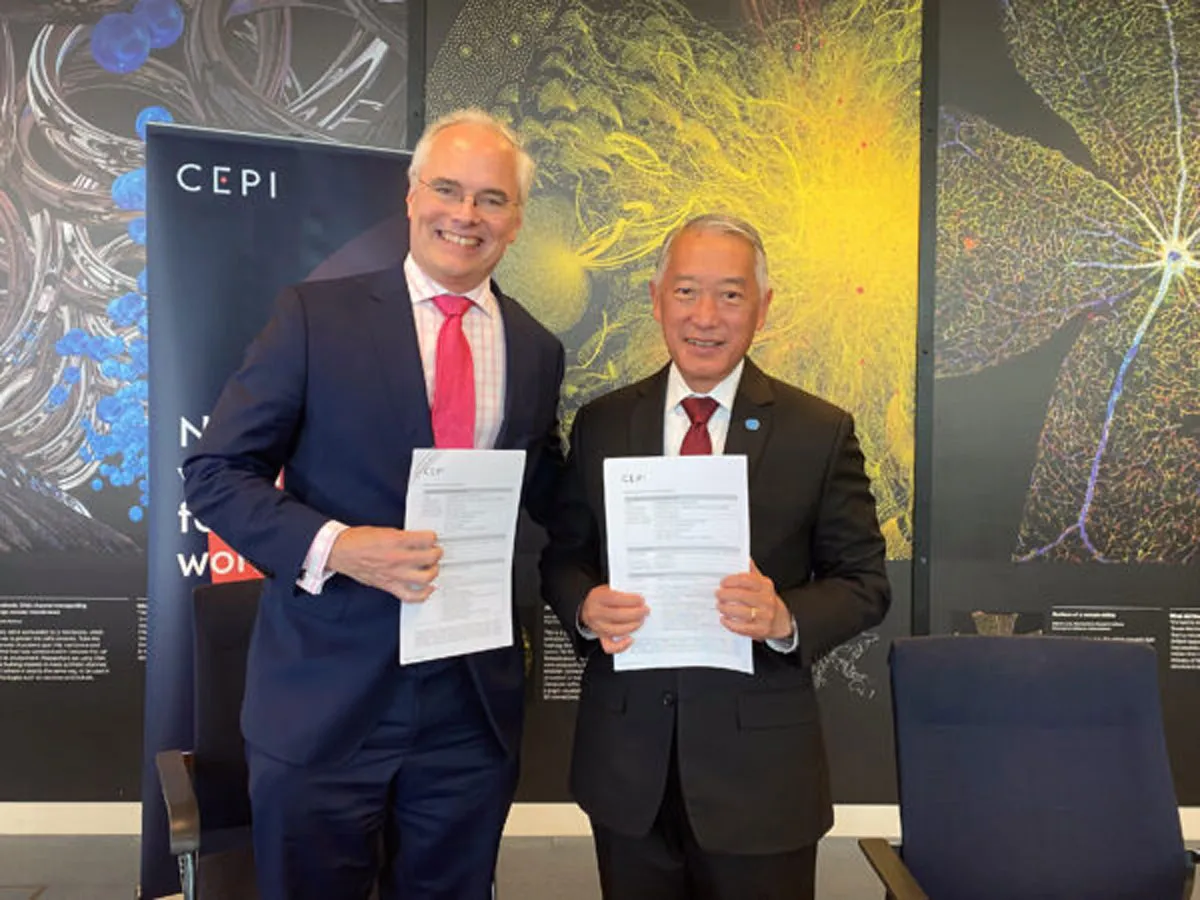
The Department of Biotechnology (DBT), Ministry of Science and Technology, along with its public sector undertaking, the Biotechnology Industry Research Assistance Council (BIRAC), has renewed its Engagement Strategy with the Coalition for Epidemic Preparedness Innovations (CEPI). The renewed agreement, signed on 18 September 2025, extends the partnership first established in October 2019 for cooperation on vaccine and allied technology research, development and innovation. The Union Cabinet has noted and accepted the renewal.

CEPI is a global multi-stakeholder coalition that brings together public, private, philanthropic and civil organisations to accelerate vaccine development for emerging infectious diseases and ensure timely access during outbreaks. As of March 2025, its supporters include several national governments, the European Commission, and philanthropic bodies such as the Bill & Melinda Gates Foundation and the Wellcome Trust.

Since 2019, DBT and BIRAC have collaborated with CEPI on vaccine research targeting diseases with epidemic potential. Major achievements of this partnership include early-stage development of vaccine candidates for chikungunya, coronavirus and monkeypox; establishment of shared research infrastructure such as a bioassay laboratory and an experimental animal facility; and extensive capacity-building programmes.

The DBT–BRIC–THSTI bioassay laboratory and the associated animal facility have been recognised by CEPI as part of its Centralised Lab Network and Animal Lab Network respectively, making them important national assets for vaccine development. The bioassay lab has supported multiple Indian and global vaccine candidates from pre-clinical stages through to phase-3 efficacy trials. Training programmes in vaccine development and clinical research have further strengthened national capability.

The renewed Engagement Strategy broadens the scope of cooperation to include research and development of allied biomedical technologies, such as monoclonal antibodies. The partnership will also cover pathogens listed under the WHO R&D Blueprint for priority diseases.

Renewing the strategy marks a significant step in enhancing India’s preparedness for pandemics by combining CEPI’s technical expertise with India’s growing scientific capabilities. The collaboration will help strengthen critical research infrastructure, expand skilled human resources and support rapid and effective responses to emerging health threats. It also aligns with national development priorities and Sustainable Development Goals relating to good health and well-being.

The Department of Biotechnology (DBT), Ministry of Science and Technology, along with its public sector undertaking, the Biotechnology Industry Research Assistance Council (BIRAC), has renewed its Engagement Strategy with the Coalition for Epidemic Preparedness Innovations (CEPI). The renewed agreement, signed on 18 September 2025, extends the partnership first established in October 2019 for cooperation on vaccine and allied technology research, development and innovation. The Union Cabinet has noted and accepted the renewal. CEPI is a global multi-stakeholder coalition that brings together public, private, philanthropic and civil organisations to accelerate vaccine development for emerging infectious diseases and ensure timely access during outbreaks. As of March 2025, its supporters include several national governments, the European Commission, and philanthropic bodies such as the Bill & Melinda Gates Foundation and the Wellcome Trust. Since 2019, DBT and BIRAC have collaborated with CEPI on vaccine research targeting diseases with epidemic potential. Major achievements of this partnership include early-stage development of vaccine candidates for chikungunya, coronavirus and monkeypox; establishment of shared research infrastructure such as a bioassay laboratory and an experimental animal facility; and extensive capacity-building programmes. The DBT–BRIC–THSTI bioassay laboratory and the associated animal facility have been recognised by CEPI as part of its Centralised Lab Network and Animal Lab Network respectively, making them important national assets for vaccine development. The bioassay lab has supported multiple Indian and global vaccine candidates from pre-clinical stages through to phase-3 efficacy trials. Training programmes in vaccine development and clinical research have further strengthened national capability. The renewed Engagement Strategy broadens the scope of cooperation to include research and development of allied biomedical technologies, such as monoclonal antibodies. The partnership will also cover pathogens listed under the WHO R&D Blueprint for priority diseases. Renewing the strategy marks a significant step in enhancing India’s preparedness for pandemics by combining CEPI’s technical expertise with India’s growing scientific capabilities. The collaboration will help strengthen critical research infrastructure, expand skilled human resources and support rapid and effective responses to emerging health threats. It also aligns with national development priorities and Sustainable Development Goals relating to good health and well-being.

Next Story
Infrastructure Urban

Centre Boosts FPO Growth With New Credit And Market Support

The Government is implementing the Central Sector Scheme on the formation and promotion of 10,000 Farmer Producer Organisations (FPOs), under which all 10,000 FPOs have now been registered. The scheme provides Rs 1.8 million per FPO for three years as management support, a matching equity grant of up to Rs 1.5 million, and a credit guarantee of up to Rs 0.02 billion through eligible lending institutions. It also offers assistance for training, market linkages and alignment with other schemes. FPOs receive support to obtain input licences for seed, fertiliser and pesticide supplies, as well as..

Next Story
Infrastructure Urban

PM-KISAN Drives Farm Income Gains And Rural Stability

The PM-KISAN scheme, a central sector initiative launched in February 2019, aims to support the financial needs of farmers holding cultivable land. Under the scheme, Rs 6,000 per year is transferred in three equal instalments to Aadhaar-seeded bank accounts through Direct Benefit Transfer. Eligibility is based primarily on cultivable landholding, with certain exclusions for individuals of higher economic status. A farmer-centric digital infrastructure ensures scheme benefits reach farmers across India without intermediaries. With full transparency in registration and verification, the Governm..

Next Story
Infrastructure Urban

Govt Extends Pro Tem Security Certificate To Two Years

In a further push to improve ease of doing business and ensure continuity for the telecom industry, the National Centre for Communication Security (NCCS) under the Department of Telecommunications has extended the validity of the Pro Tem Security Certification from six months to two years. The Pro Tem Certification, initially launched in October 2024 with a six-month validity, was designed to prevent business disruption for IP Router and Wi-Fi CPE products, which became subject to mandatory security certification from 1 October 2024. Under this certification, OEMs submit a declaration confirm..

Advertisement

Subscribe to Our Newsletter

Get daily newsletters around different themes from Construction world.

STAY CONNECTED

Advertisement

Advertisement

Advertisement

Advertisement

Open In App