Indian Refiners' Fuel Exports to Sanctioning Nations Rise 43%
ECONOMY & POLICY

Indian Refiners' Fuel Exports to Sanctioning Nations Rise 43%

Indian refineries shipped oil products worth €1 bn to countries imposing sanctions on Russia in September, a 43 per cent increase from August, according to a report by the Centre for Research on Energy and Clean Air (CREA), cited by news agency PTI. Refineries in Turkiye and Brunei were also included in the assessment.

Reliance Industries’ Jamnagar refinery in Gujarat accounted for six of the seven cargoes unloaded at European Union ports during the month. The shipments took place despite the EU’s ban on imports of oil products refined from Russian crude, which came into effect in January 2026.

The EU received products worth €667 mn from the refineries covered by the report. Australia imported €168 mn, the United States received €154 mn and New Zealand imported €19 mn. CREA estimated that €295 mn of the exported products had been refined from Russian crude, while Jamnagar accounted for €122 mn of shipments to the US.

Russian crude represented 32 per cent of Jamnagar’s crude oil imports between July and September. Among EU destinations, Italy received three shipments, Romania received two, and Spain and Cyprus received one each. The value of exports to EU ports from refineries processing Russian crude rose 80 per cent month on month, including a 104,000 t gasoil cargo from Jamnagar that was still travelling to Rotterdam.

CREA said the EU’s rules exempt net crude oil exporters, potentially allowing Russian crude to enter supply chains through third-country refineries. It recommended restricting imports from any refinery that had processed Russian crude during the previous six months, irrespective of the declared origin of the finished product.

India’s Russian crude imports fell 13 per cent in September, the second consecutive monthly decline. Purchases dropped 27 per cent at Jamnagar, 21 per cent at Indian Oil Corporation’s Paradip refinery and 8 per cent at Nayara Energy’s Vadinar refinery. Even after the fall, India remained Russia’s second-largest fossil fuel buyer, spending €4.1 bn on hydrocarbons, while crude accounted for 88 per cent of the total.

Indian refineries shipped oil products worth €1 bn to countries imposing sanctions on Russia in September, a 43 per cent increase from August, according to a report by the Centre for Research on Energy and Clean Air (CREA), cited by news agency PTI. Refineries in Turkiye and Brunei were also included in the assessment. Reliance Industries’ Jamnagar refinery in Gujarat accounted for six of the seven cargoes unloaded at European Union ports during the month. The shipments took place despite the EU’s ban on imports of oil products refined from Russian crude, which came into effect in January 2026. The EU received products worth €667 mn from the refineries covered by the report. Australia imported €168 mn, the United States received €154 mn and New Zealand imported €19 mn. CREA estimated that €295 mn of the exported products had been refined from Russian crude, while Jamnagar accounted for €122 mn of shipments to the US. Russian crude represented 32 per cent of Jamnagar’s crude oil imports between July and September. Among EU destinations, Italy received three shipments, Romania received two, and Spain and Cyprus received one each. The value of exports to EU ports from refineries processing Russian crude rose 80 per cent month on month, including a 104,000 t gasoil cargo from Jamnagar that was still travelling to Rotterdam. CREA said the EU’s rules exempt net crude oil exporters, potentially allowing Russian crude to enter supply chains through third-country refineries. It recommended restricting imports from any refinery that had processed Russian crude during the previous six months, irrespective of the declared origin of the finished product. India’s Russian crude imports fell 13 per cent in September, the second consecutive monthly decline. Purchases dropped 27 per cent at Jamnagar, 21 per cent at Indian Oil Corporation’s Paradip refinery and 8 per cent at Nayara Energy’s Vadinar refinery. Even after the fall, India remained Russia’s second-largest fossil fuel buyer, spending €4.1 bn on hydrocarbons, while crude accounted for 88 per cent of the total.

Related Stories

Gold Stories

Next Story
Real Estate

Kalpataru Parkcity becomes home to over 2,000 families

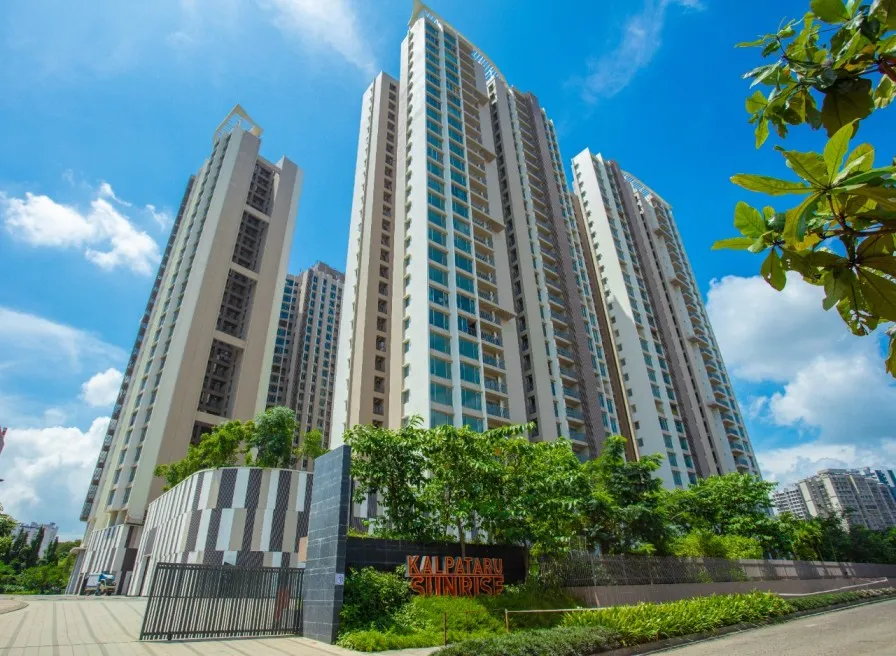
Kalpataru Parkcity, an integrated township spread across more than 108 acres on Kolshet Road in Thane, has become home to over 2,000 families. The development, positioned by Kalpataru as ‘Thane’s Finest Commune’, reflects the transformation of Kolshet into a residential destination with housing, retail, green spaces and improved connectivity.The township brings together six elements of urban living: residential spaces, workplaces, education, retail, worship and green open spaces. Its integrated planning is intended to provide residents with access to everyday conveniences, walkable space..

Next Story
Real Estate

BARVL partners XtreeE to establish robotic 3D construction printing facility

Balaji Anant Raj Ventures (BARVL) has partnered with France-based XtreeE SAS to deploy a robotic 3D construction printing (3DCP) system in India. The technology will be housed and operated under Astraya, BARVL's knowledge infrastructure platform, at the Astraya Experience Centre in Sector 63A, Gurugram. The robotic printing cell is scheduled for commissioning in the second quarter of 2027.The agreement covers the supply, commissioning and technology transfer of XtreeE's robotic construction printing technology. It includes one complete robotic printing cell, with infrastructure designed to sca..
Next Story
Infrastructure Energy

Jyoti Structures receives bank guarantee and LC facilities

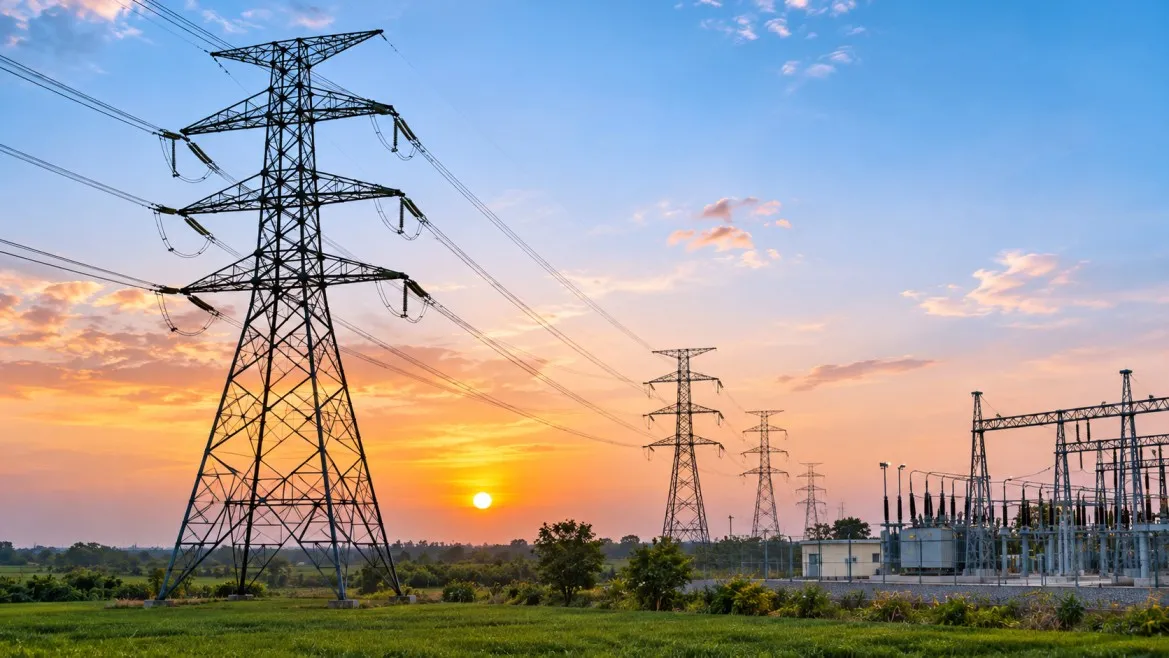
Jyoti Structures has started receiving bank guarantees and letters of credit (LCs) from its lenders under the resolution plan approved by the National Company Law Tribunal (NCLT). The facilities are expected to strengthen the engineering, procurement and construction (EPC) company's ability to execute its existing order book and pursue new opportunities in the power transmission and infrastructure sectors.The company said the lenders had progressively begun releasing the facilities following its requests, made in accordance with the NCLT-approved resolution plan and subsequent directions of th..

Advertisement

Subscribe to Our Newsletter

Get daily newsletters around different themes from Construction world.

STAY CONNECTED

Advertisement

SPECIAL OFFER
QR Code